
your Style Blueprint
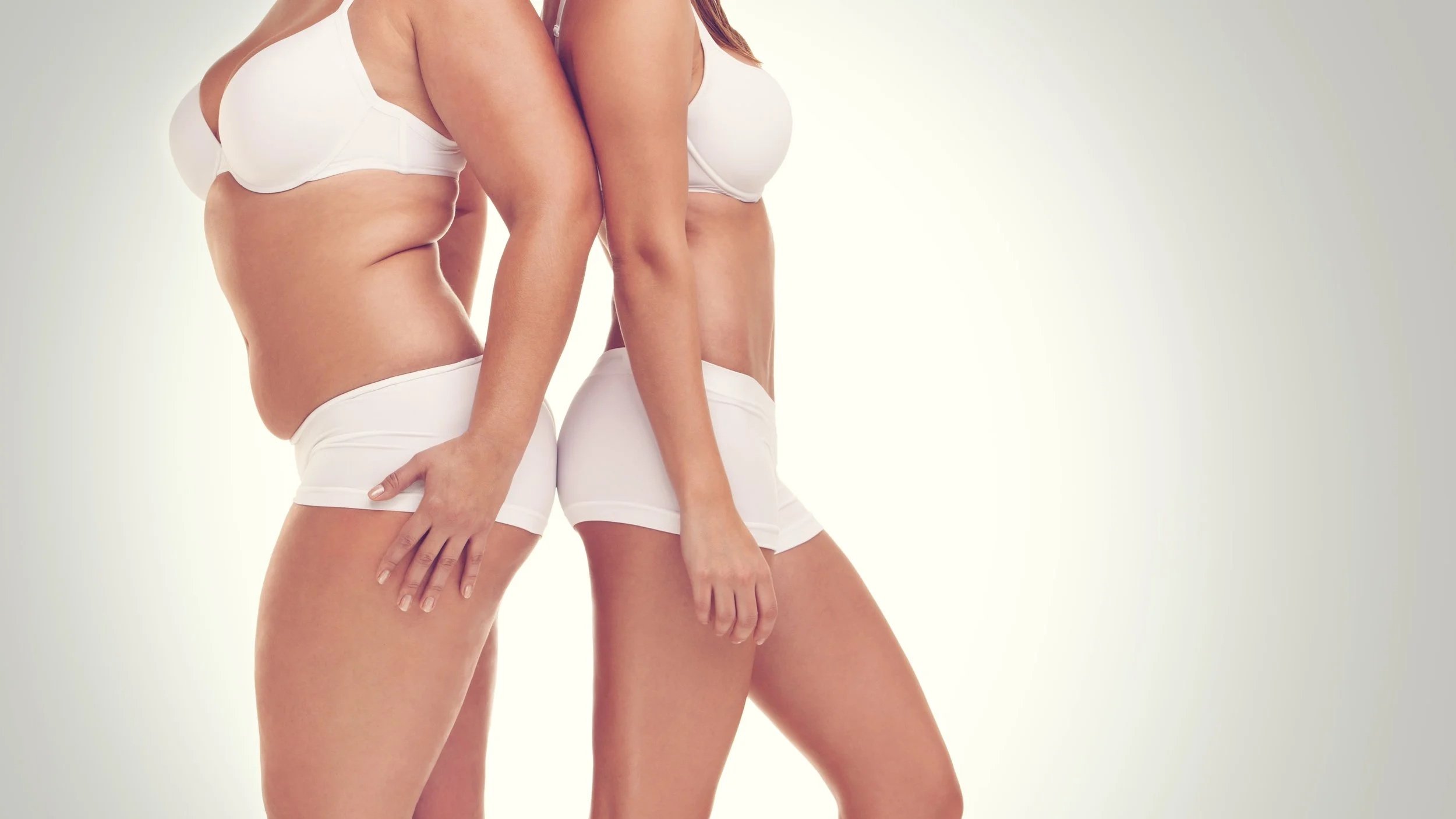
This is your personal styling system. Every recommendation in this blueprint is tailored specifically to your body, proportions, and visual balance.
- Thays Vick
Understanding Your Body & Style Foundation
Our body shape is determined by our bone structure.
No matter how much weight you lose or gain, your body structure remains the same.
Because of this, every garment you choose must relate to your natural proportions—not trends.
What We Reviewed Together
Silhouettes
Necklines
Fabrics
Sleeves
Rises
Fit
Length proportions
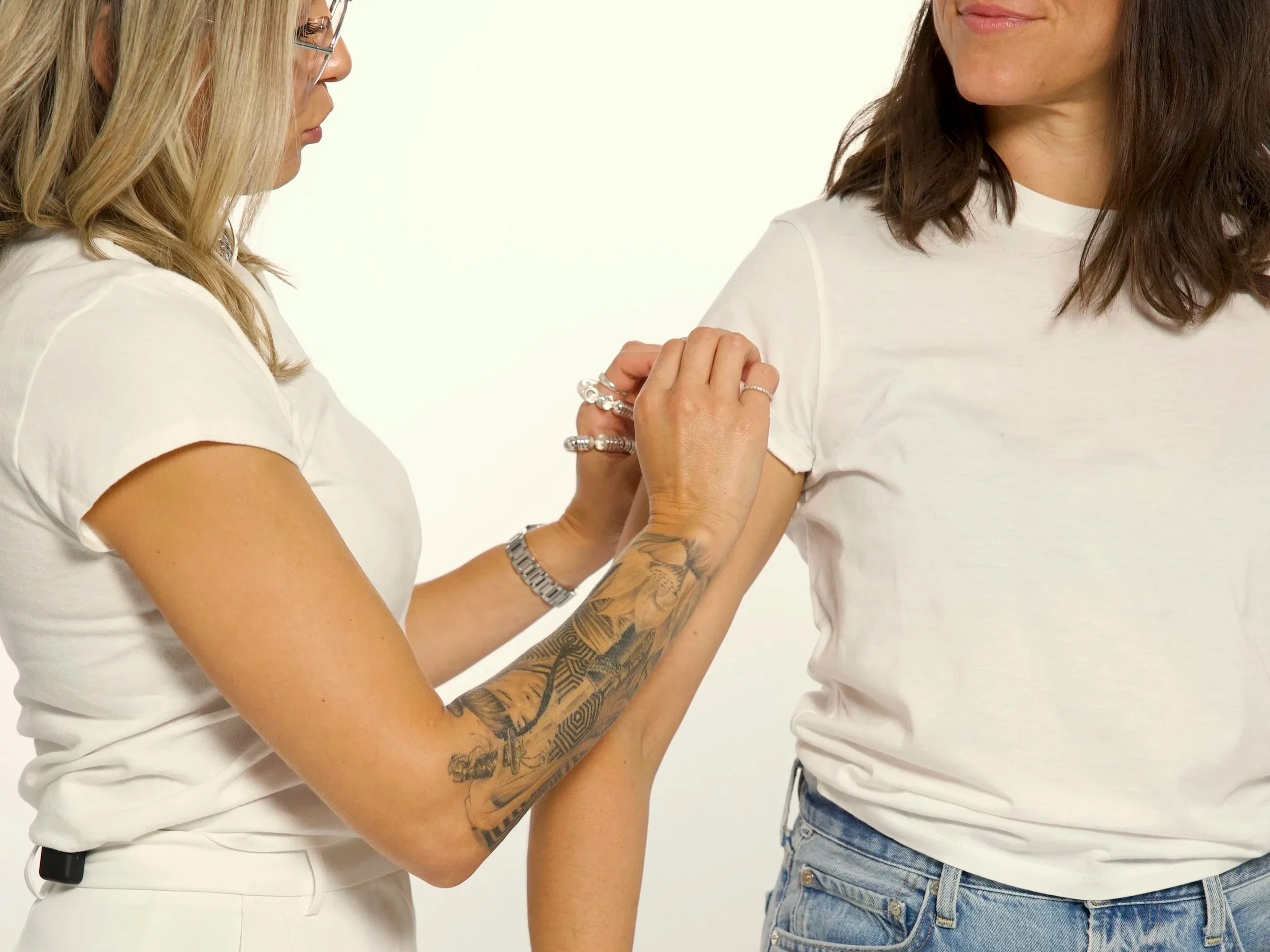
Your Body Blueprint
Wider shoulder than hip
Proportional length
Curvy body lines
Dropped hip
Medium body and features scale
DEFINing STYLE
What Defines Your Styling Decisions
Body Scale → accessories, fabric weight
Body Structure → silhouettes & balance
Shoulders → necklines & cuts
Waistline → garment construction
Hip Line → rises & fit
Body Length → proportions of all garments
Body Lines → shapes, prints, accessories
Skin & Hair → texture + finish
Garment Guideline
This chapter contains your custom garment guidelines designed to help you filter every piece you wear.
Garments shape your body.
So do:
Undergarments
Shoes
Accessories
Even swimwear lines
This is not about trends.
It is about structure, fit, proportion, and balance.
Your clothing communicates before you speak.
Golden rules
LOWER BODY
Mid to High rises (mid rise may fit as high on your body)
Clean cut (avoid details)
Outline your hip
Boot cut
Bell bottoms
Fluid fabrics
Fabrics with weight to it
Straight lines
Fitted
Fabrics with stretch
Spandex Fabrics
Short shorts or skirts
Long pants
Midi skirts
Fabrics cut on Bias
UPPER BODY
Avoid Shoulder details
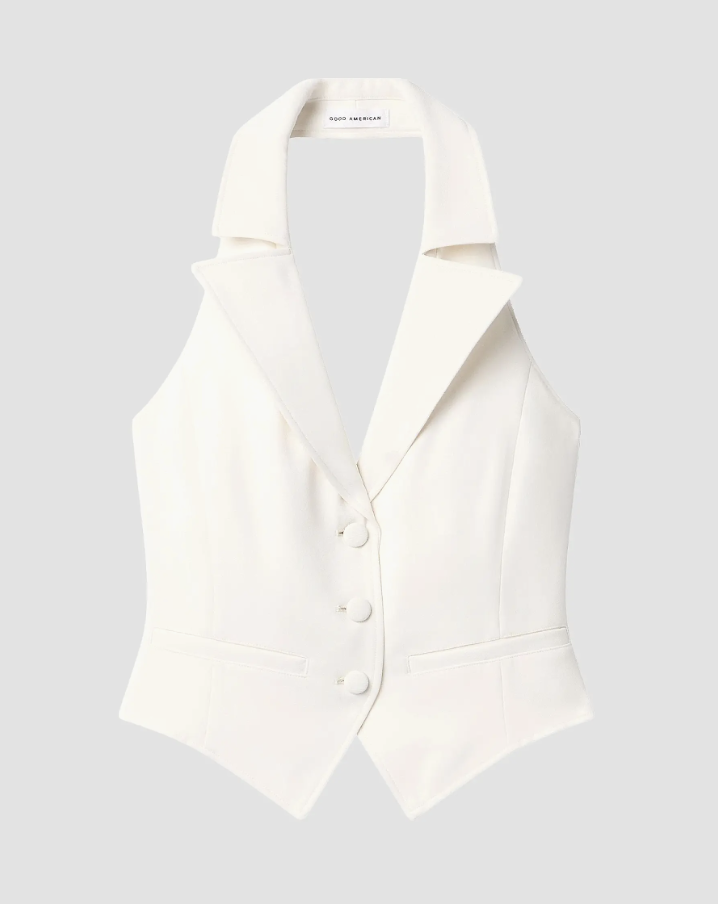
Halter Cut
Tennis necklaces
Avoid shoulder details + Pad
Clean cut
Halter, dropped shoulders
Fitted
Top length should hit hip cage (within a palm above or bellow hip area)
Cropped
Curvy cuts
Outline your waist line
Fabrics with stretch
Fabrics cut on Bias
KEY TIPS
Collar bone and center of your torso are your balance points
Keep shoulder lines cleans
Outline your waist and hip
Fitted mid or high rises
Avoid fabrics and details that adds volume to your body
Garment should hug your waist and hip
highlight the smaller part of your waist
Invest on fabrics thats given
Curvy shapes for accessories and prints
BALANCE POINT
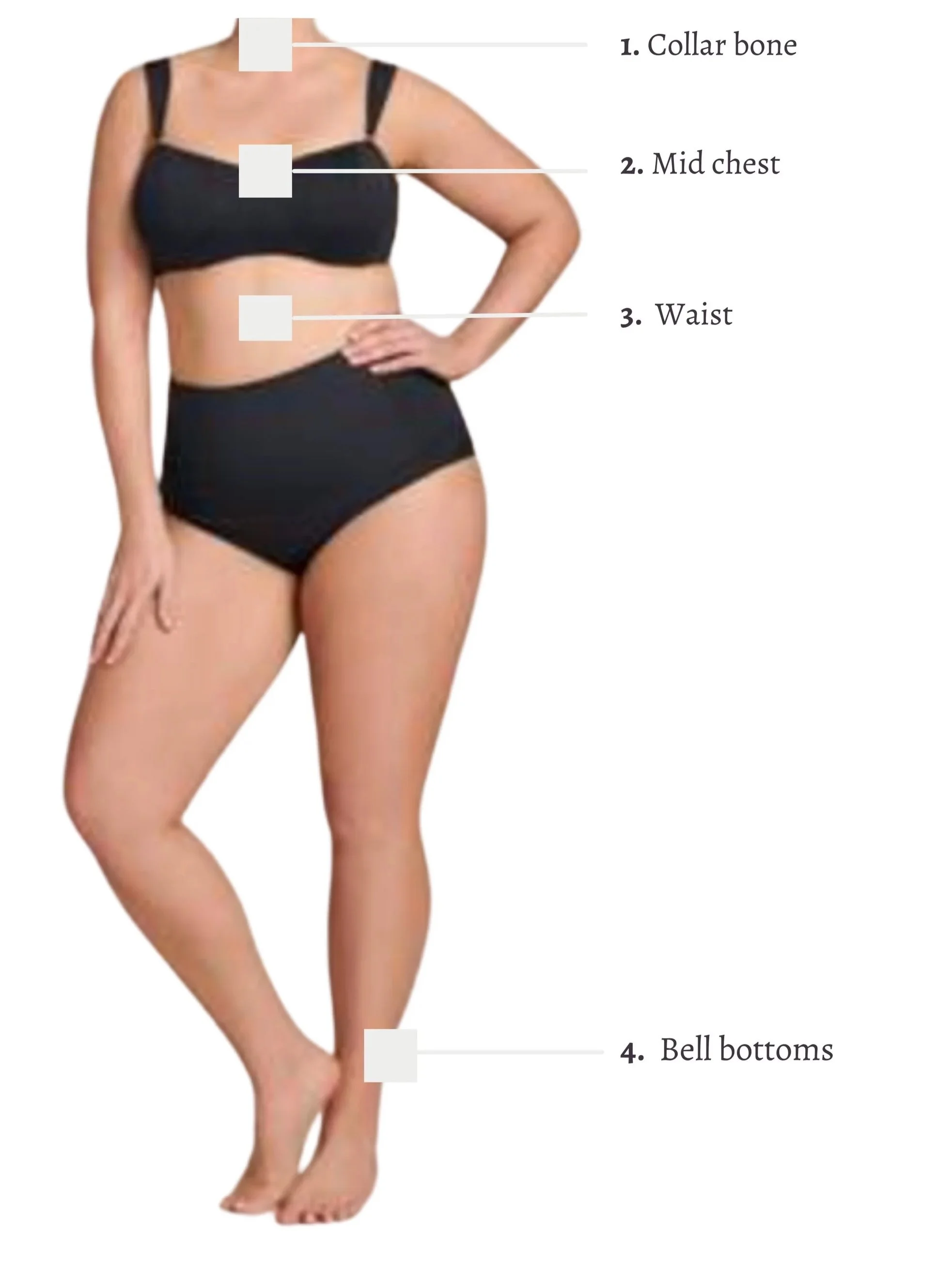
Strategy
Focus your visual on:
Collar Bone
Mid chest
Waist line
Balance body structure
By adding details to your balance points:
Necklace
Belts
Fitted waist lines
lengh proportion
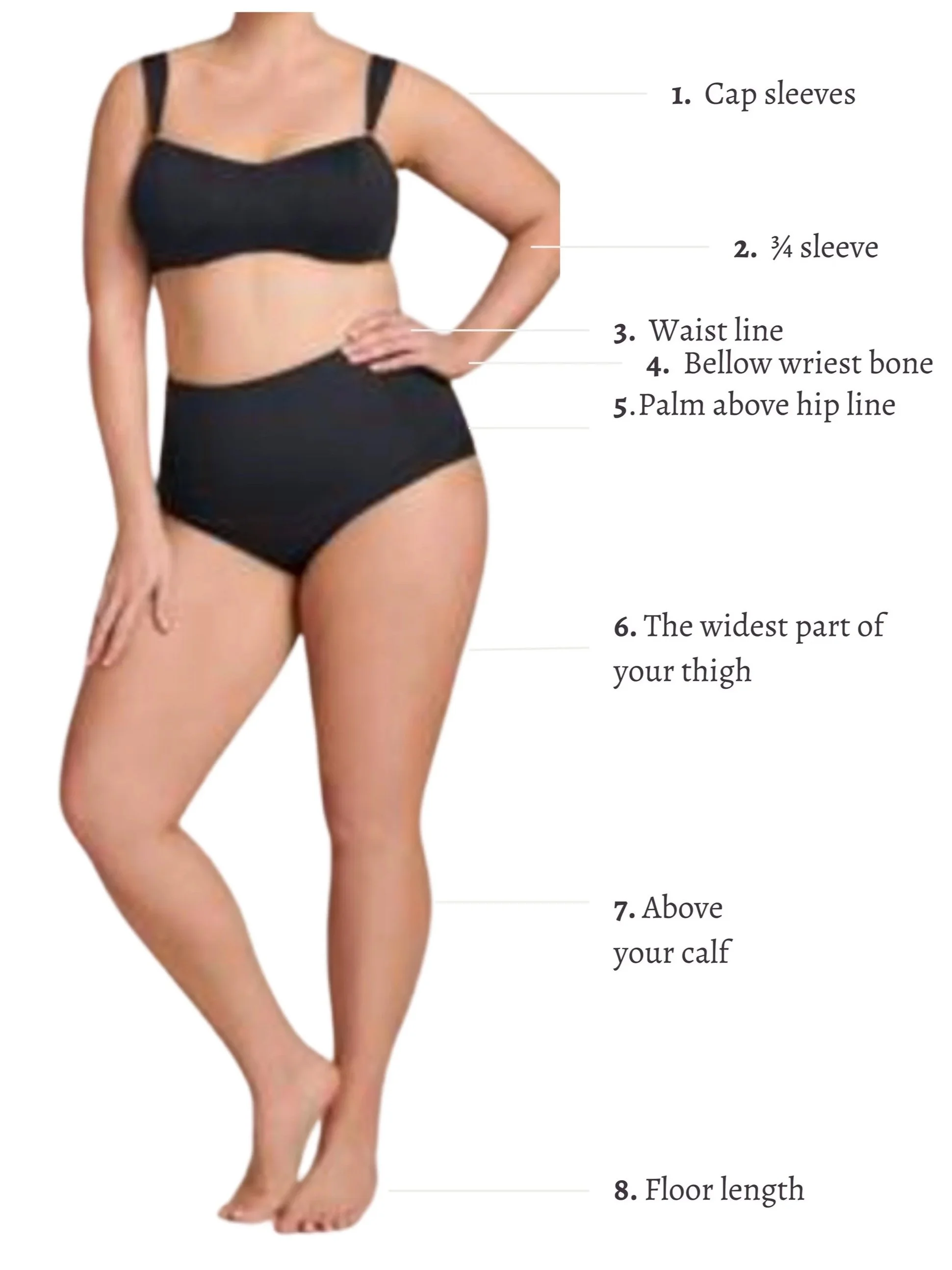
STRATEGY
Upper Body
Avoid volume
Roll up sleeves T-shirts
Pull up loose sleeves
Extra long fitted Sleeve
Empire waist line
Within a palm above hip
Lower Body
Mid Rise
Fitted Hip Line
Midi Skirts should hit the narrower part of your lower leg
Avoid all details on your calf (High boots, ankle straps)
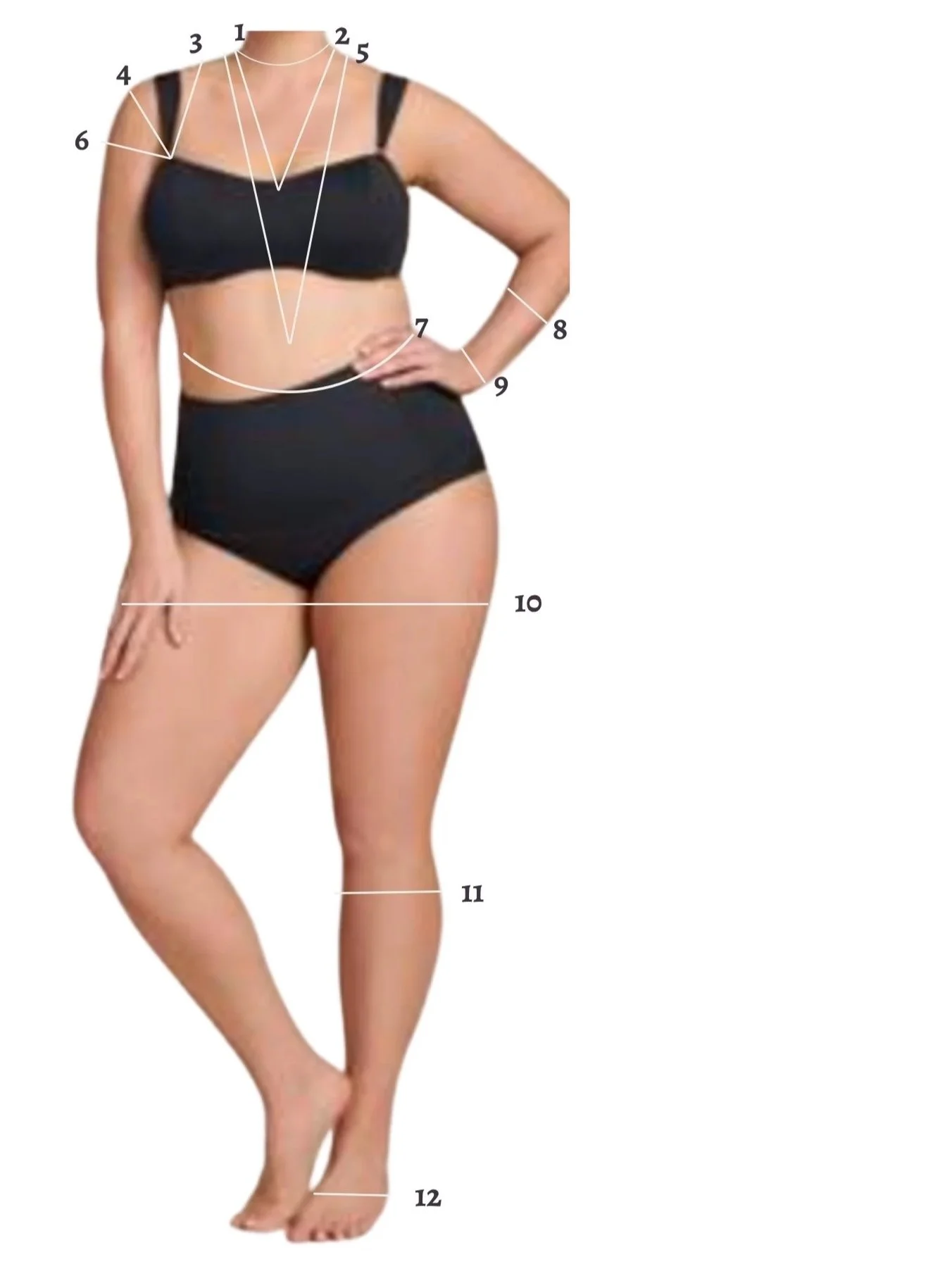
Inside Lines — Garment Architecture
Strategy
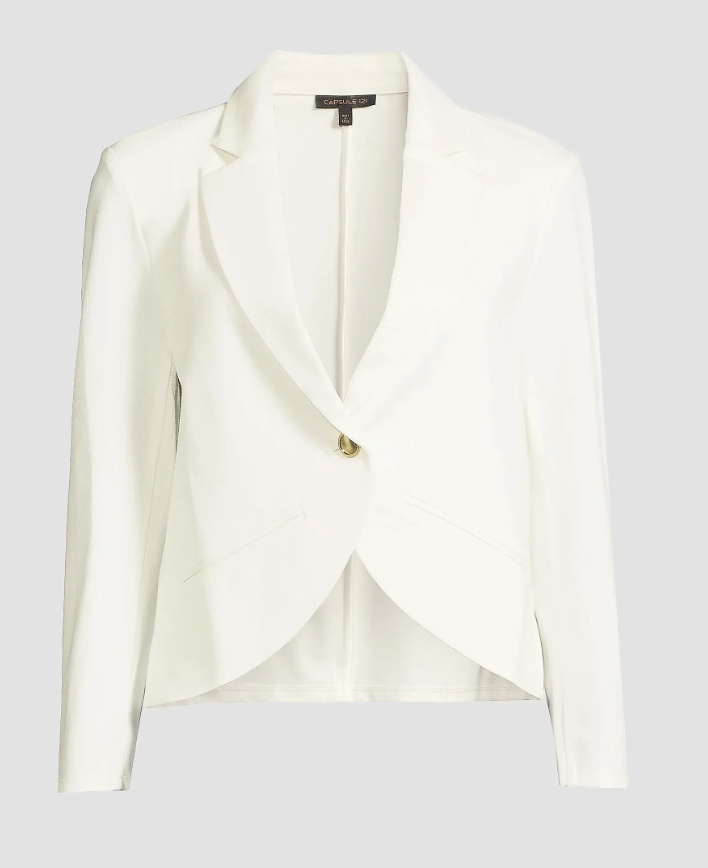
Keep your lines curvy as far as lapels, pockets, waist lines.
Collar Bone
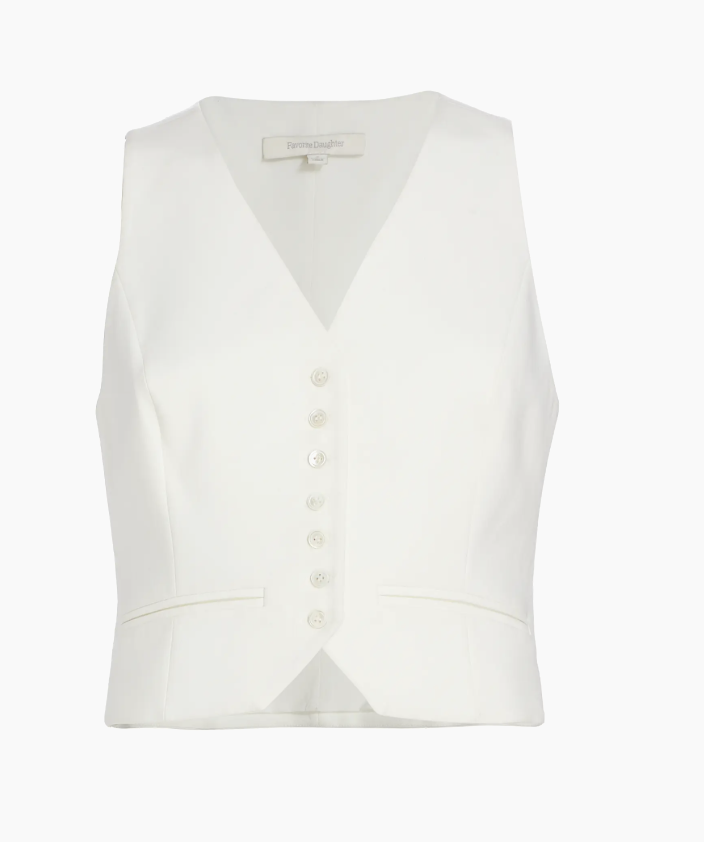
V-neck
Raglan or halter lines
Dropped shoulder line or cap sleeve
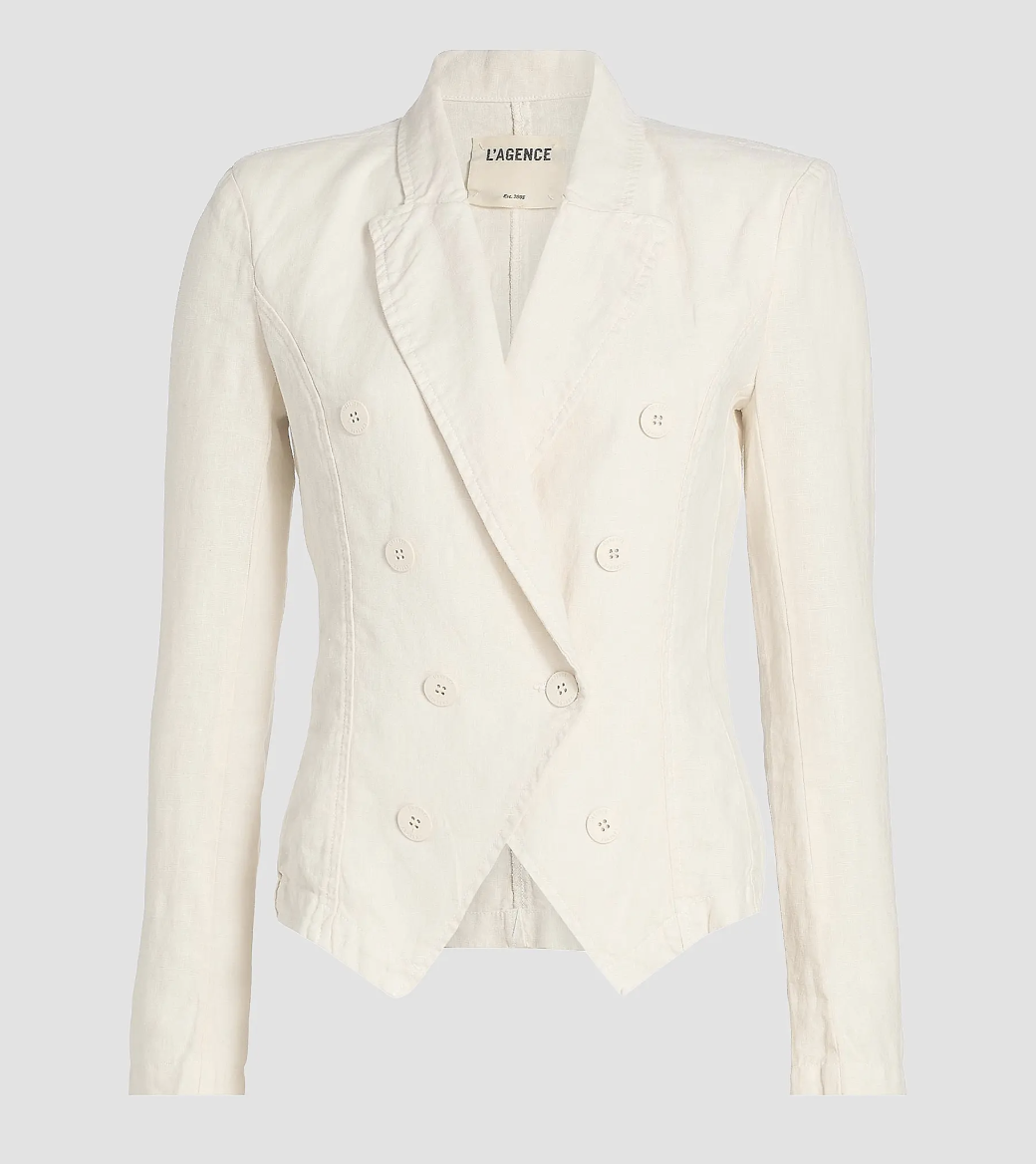
Deep V necklines (jackets should ideally close with one button placed at mid-torso)
Roll up sleeves
Curvy waist lines
¾ Sleeves, or loose fit roll up
Long fitted sleeves
Bellow widest part of your thigh
Floor-length pants and elongated silhouettes
Outside Lines Silhouettes
Upper Body
Keep all lines clean
Outline your silhouette
Mid Body
Fitted waist
Lower Body
Boot cut
Bell bottom
Volume on lower leg
garment guide
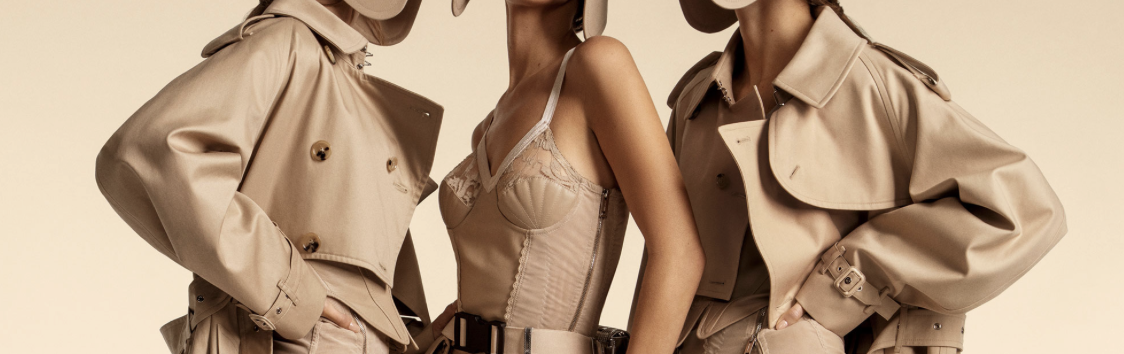
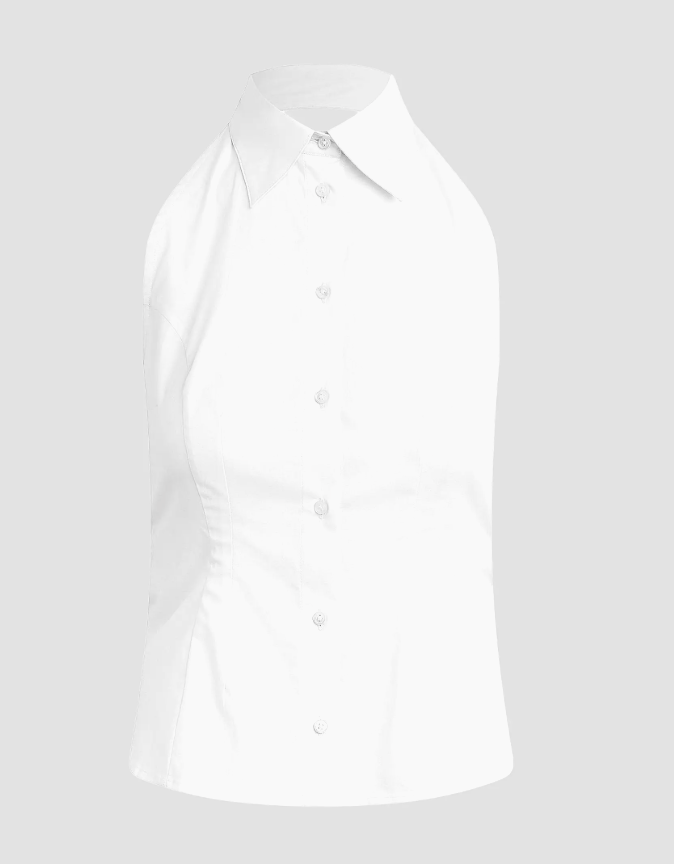
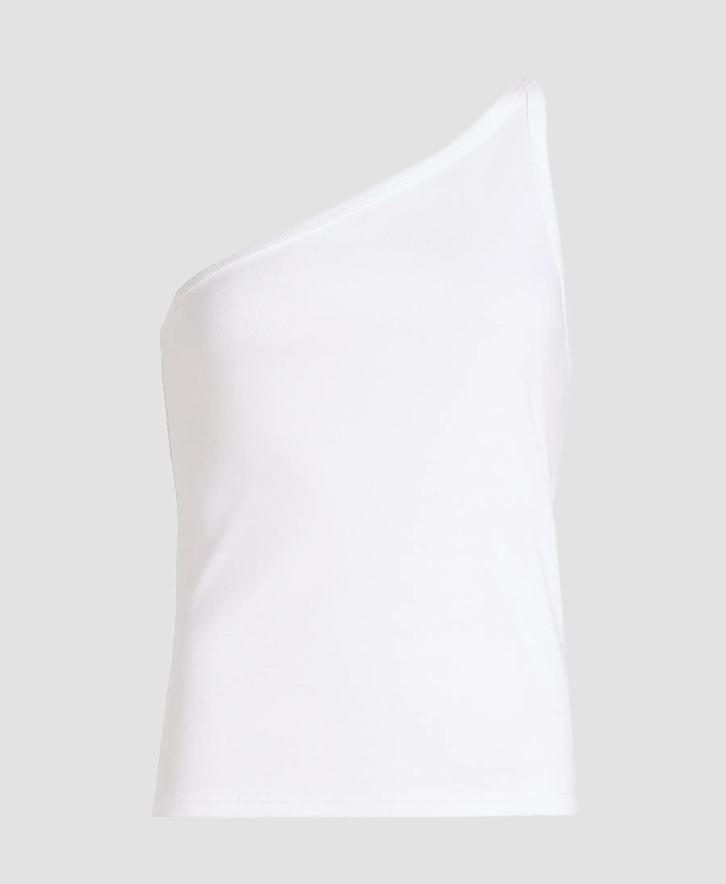
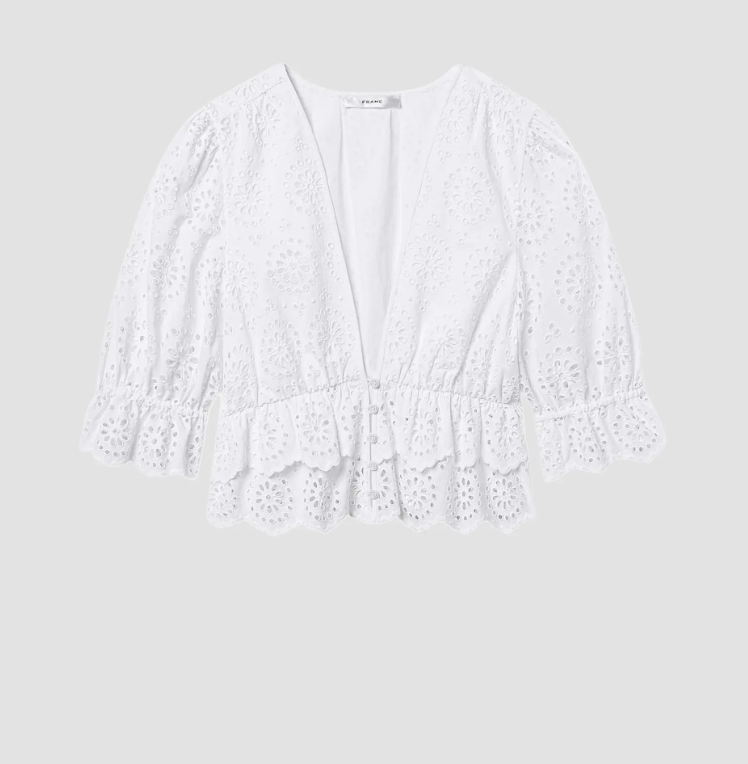
Necklines & Shoulder Lines
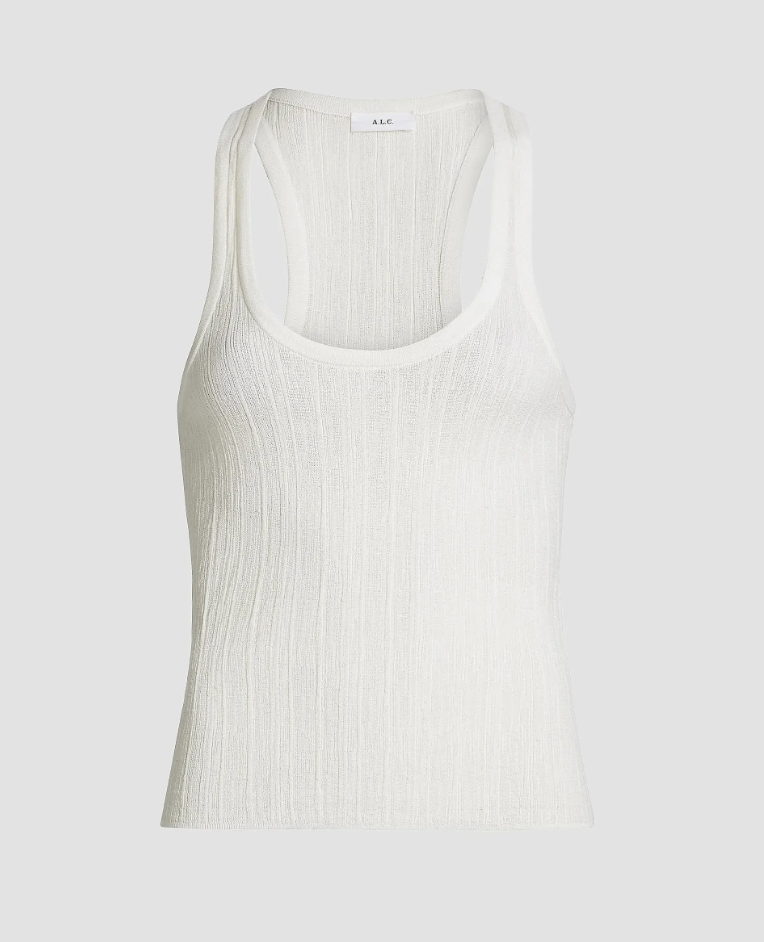
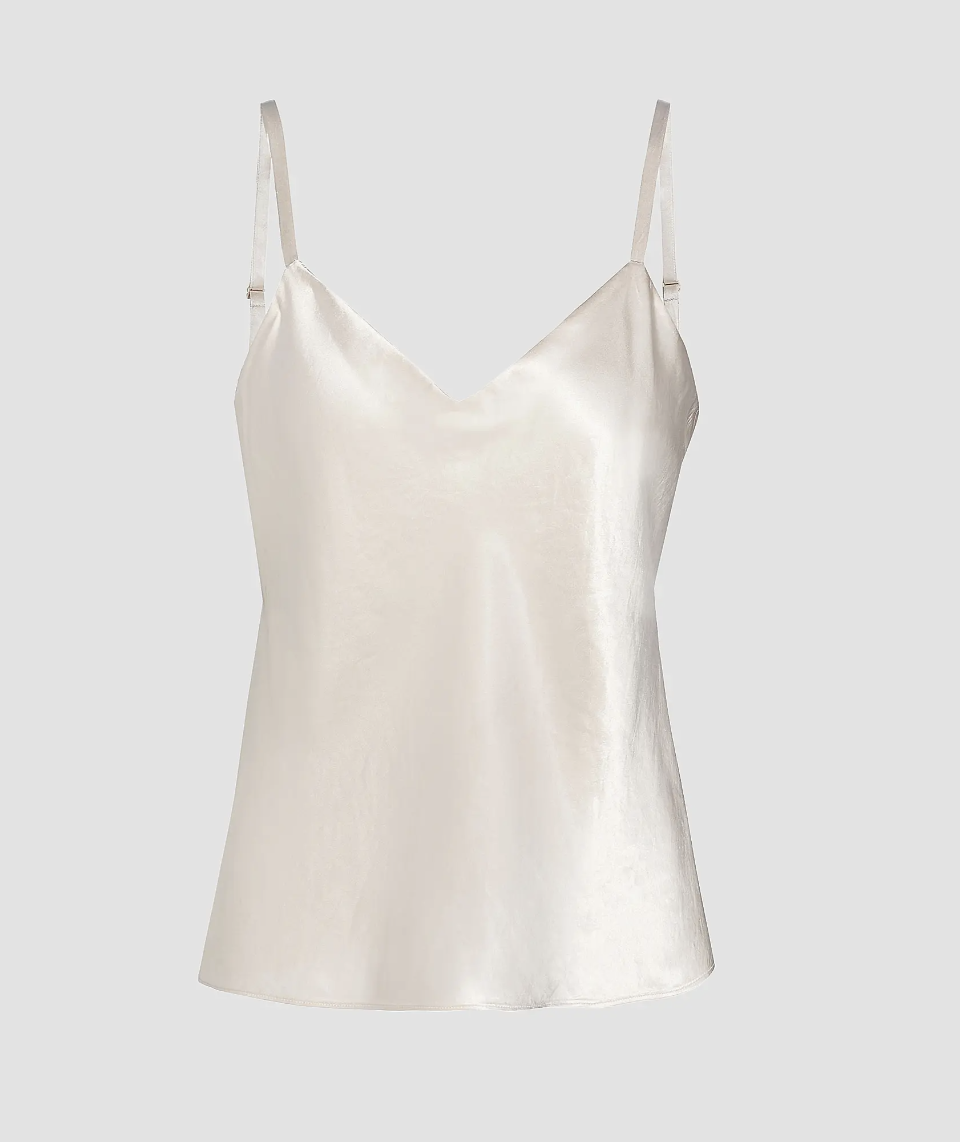
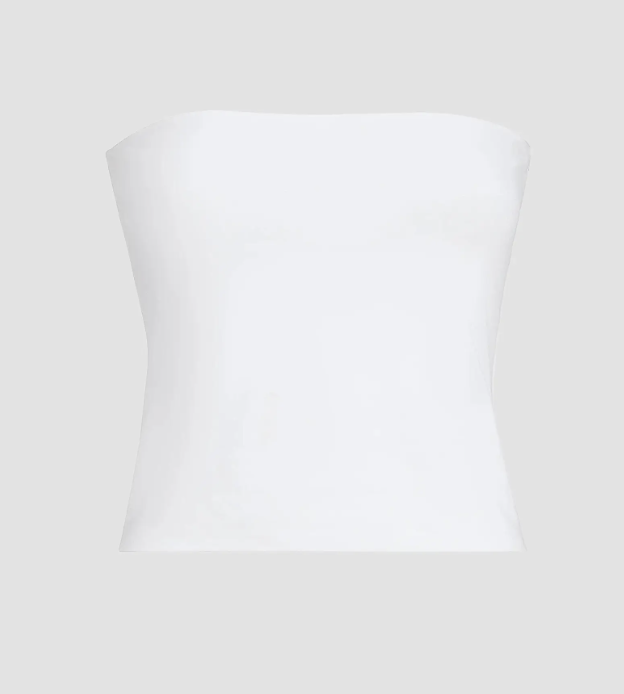
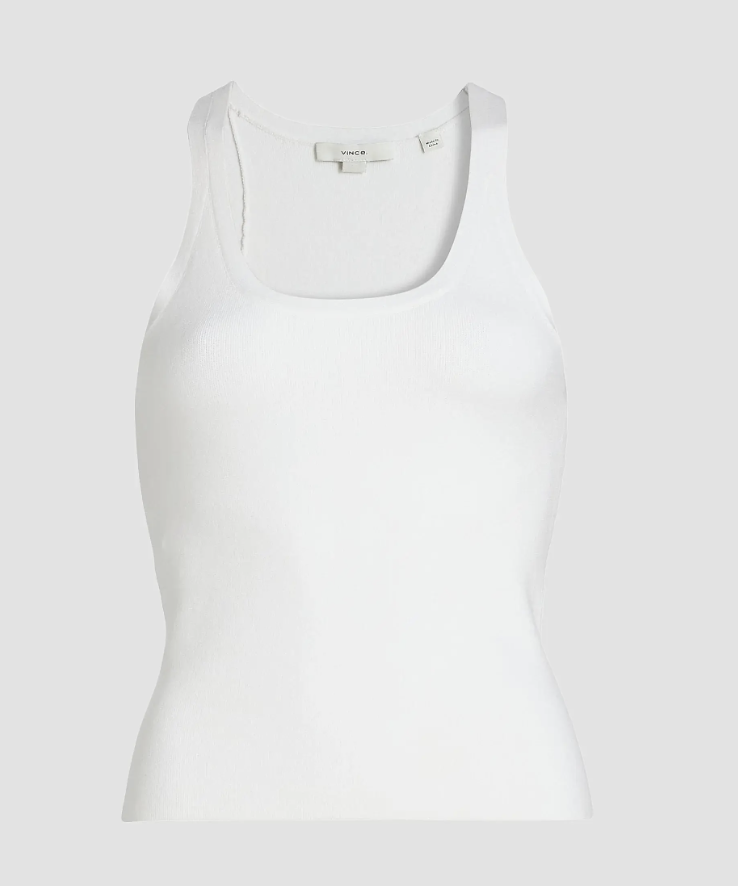
Invest in light to medium weight fluid fabrics, fabrics cut on bias or with stretch to it.
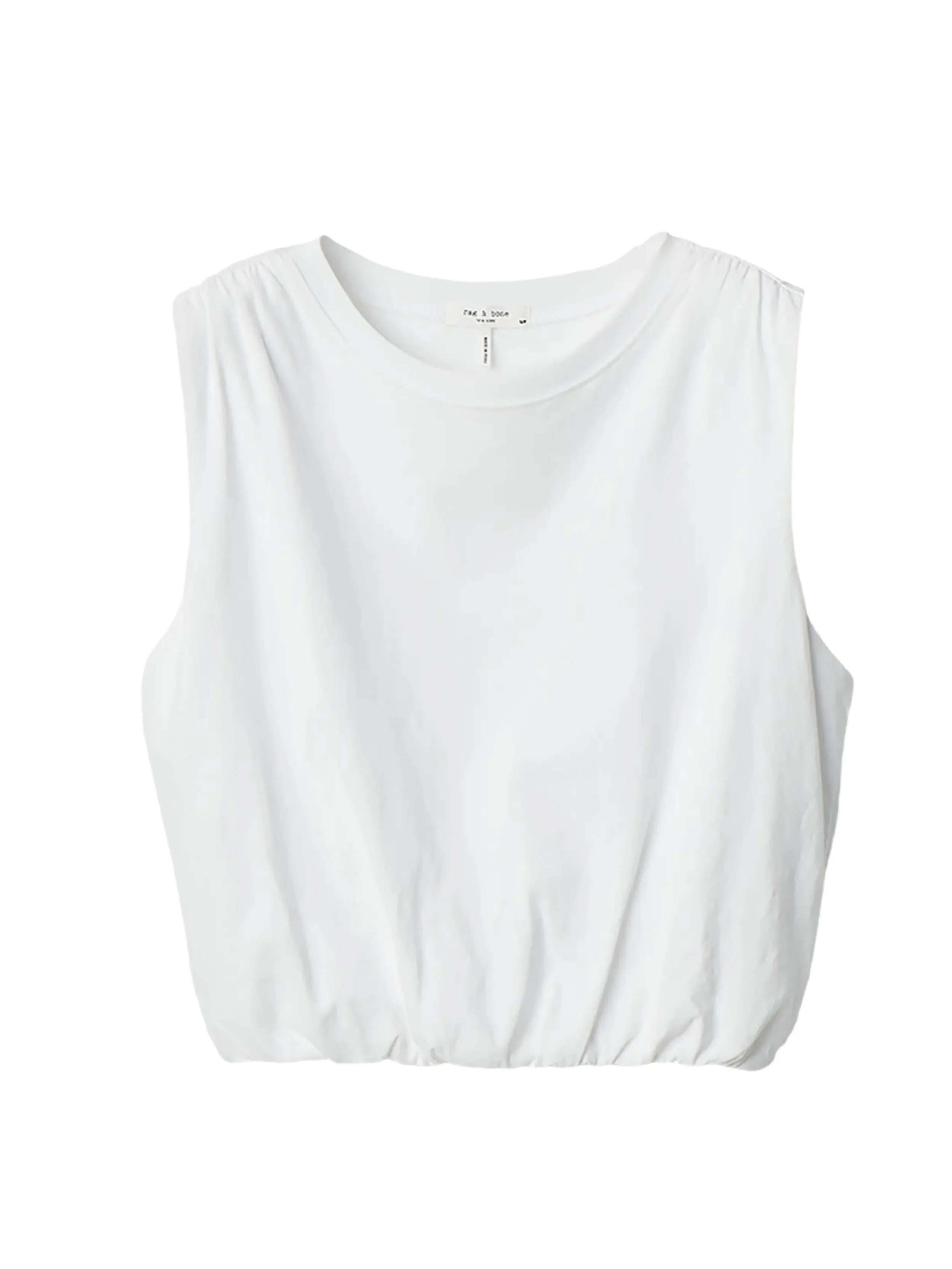
Wide crew neck
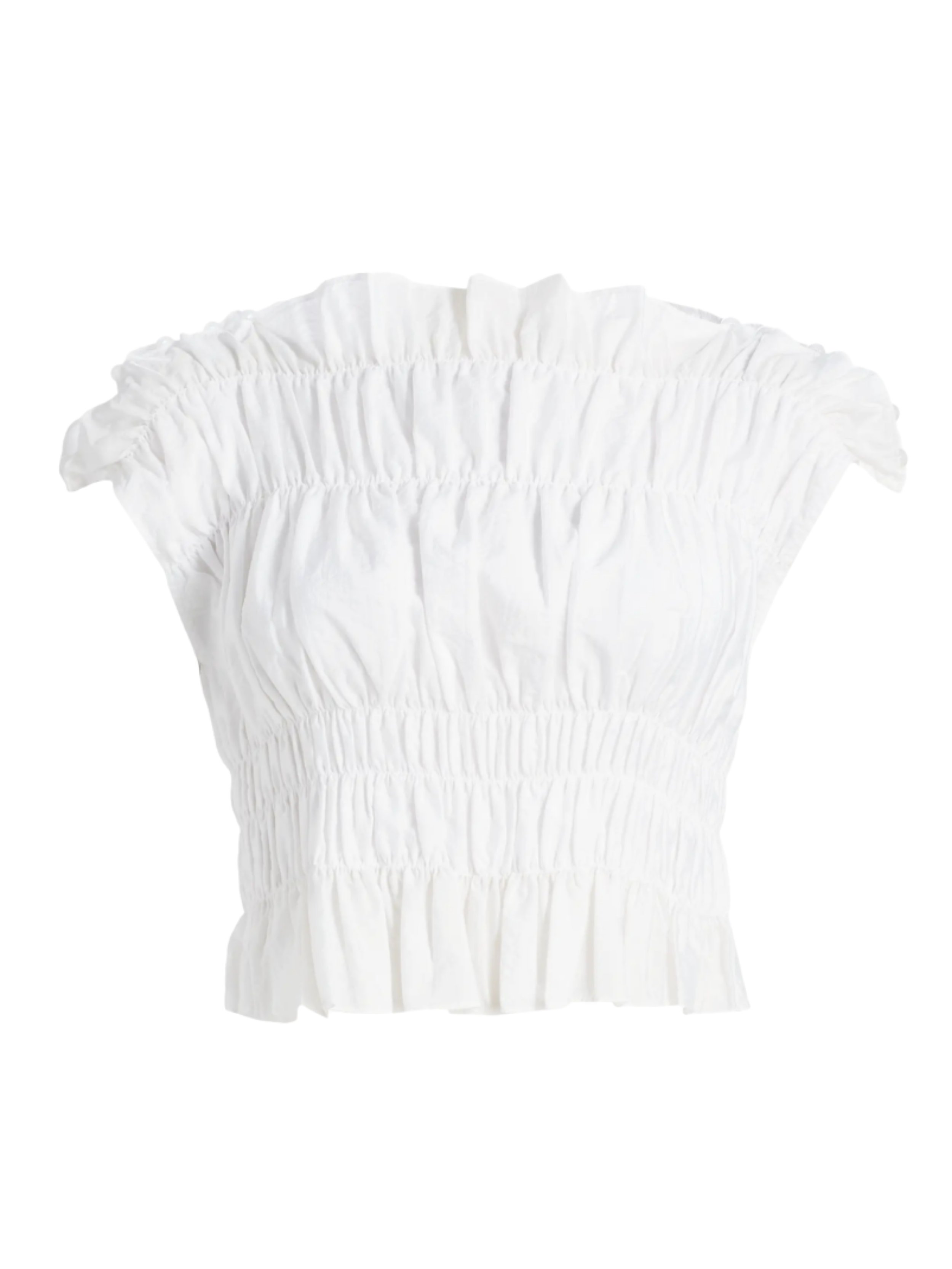
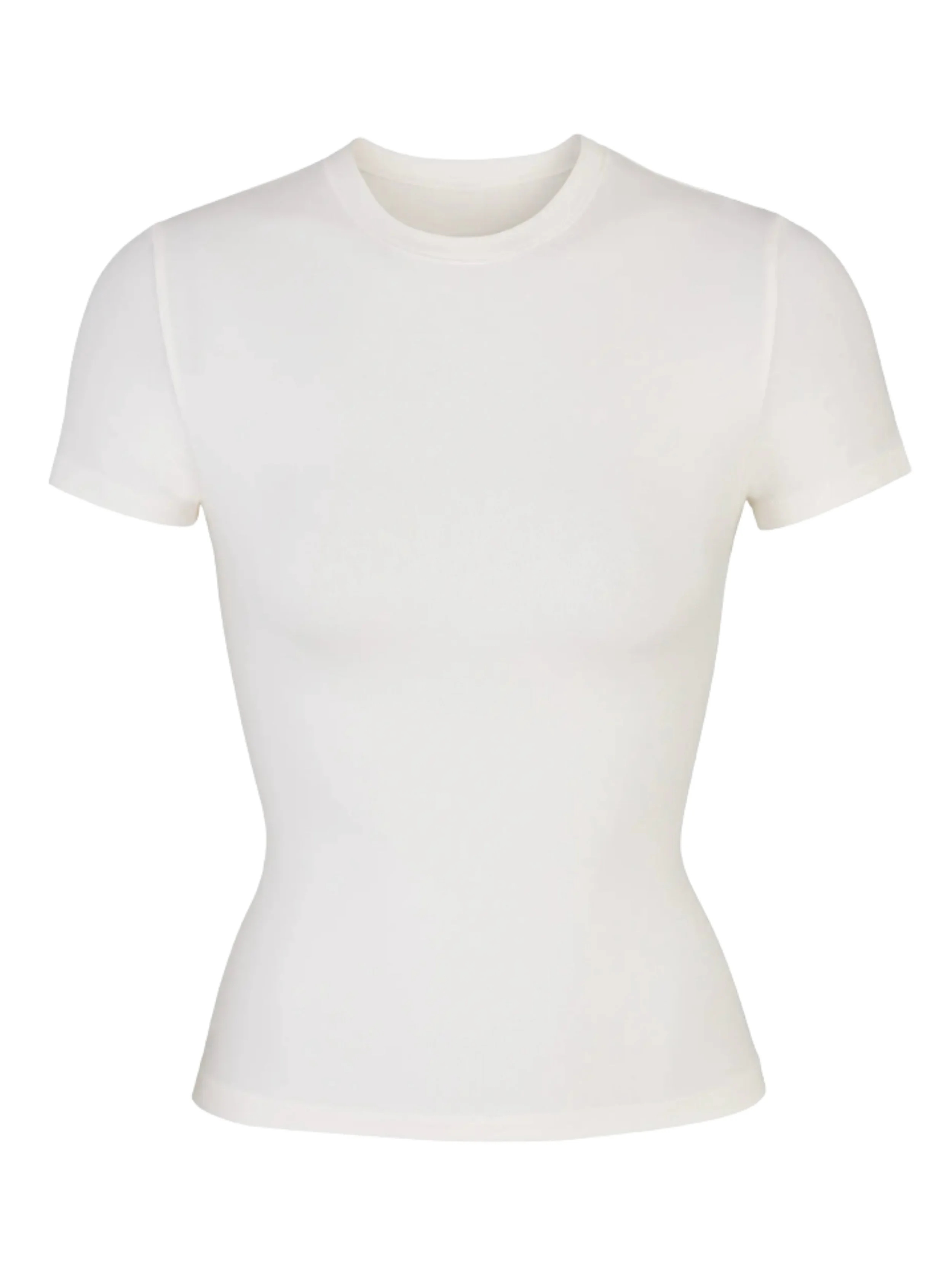
Crew neck
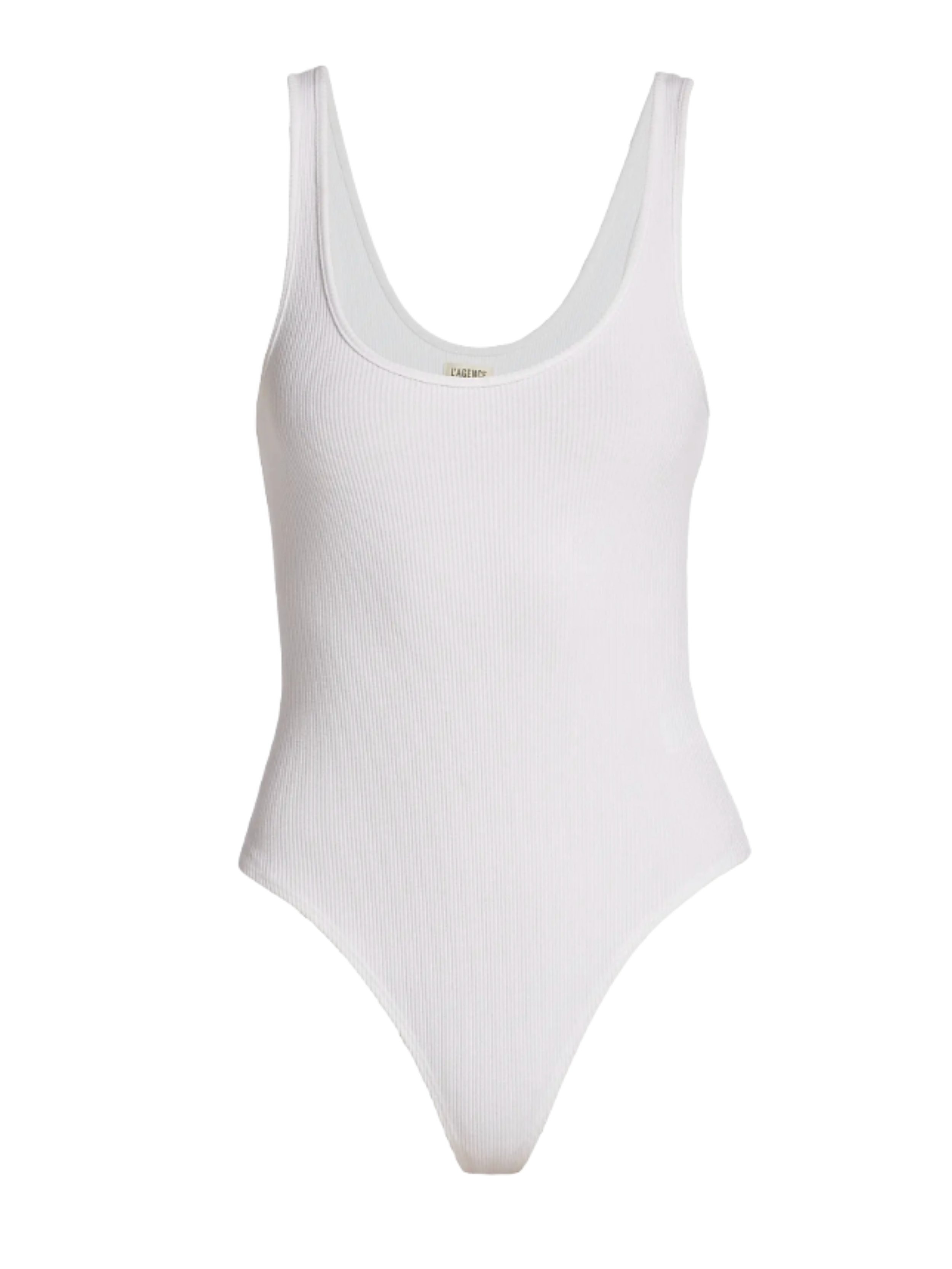
Scoop neck
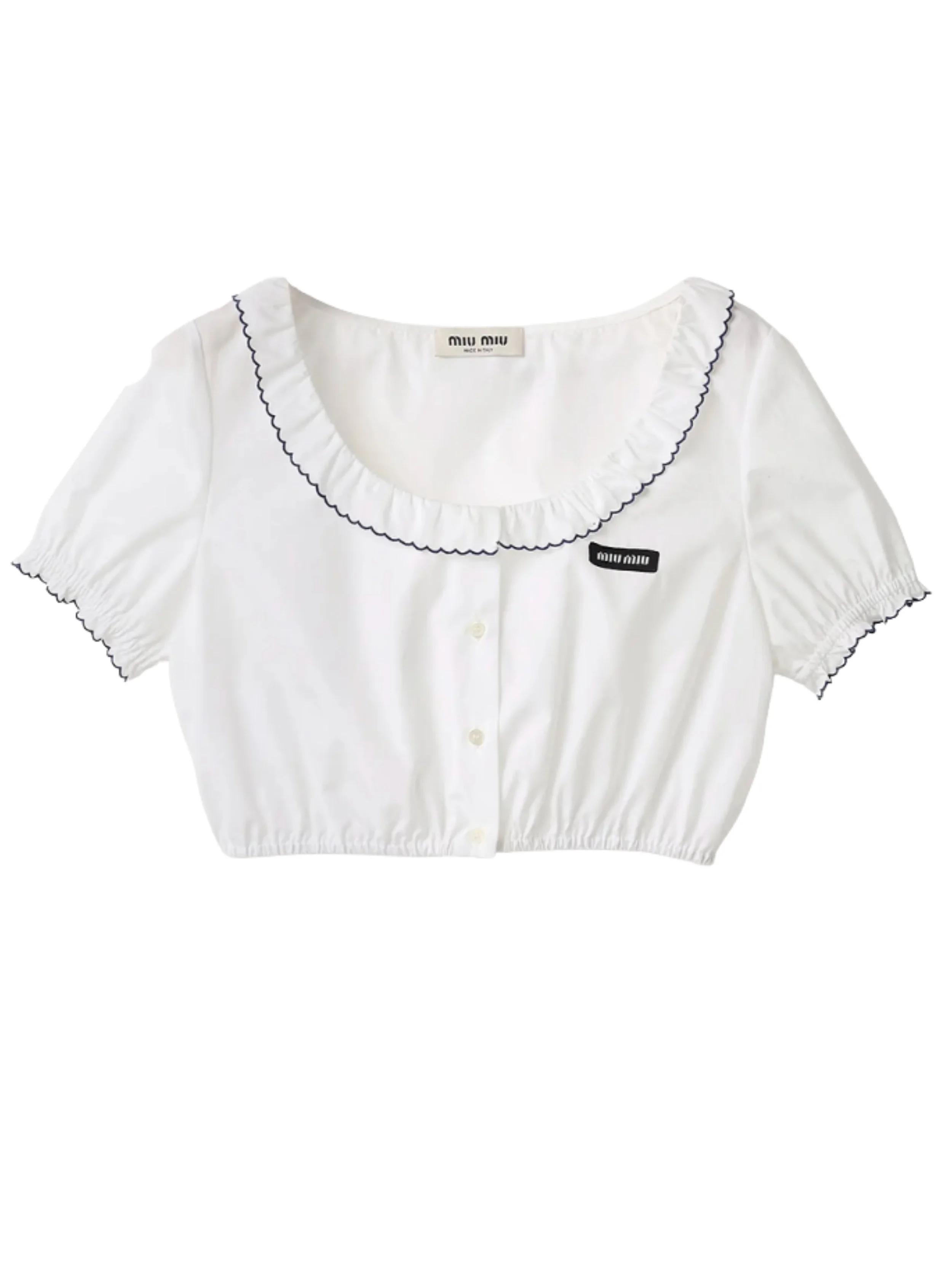
wide scoop
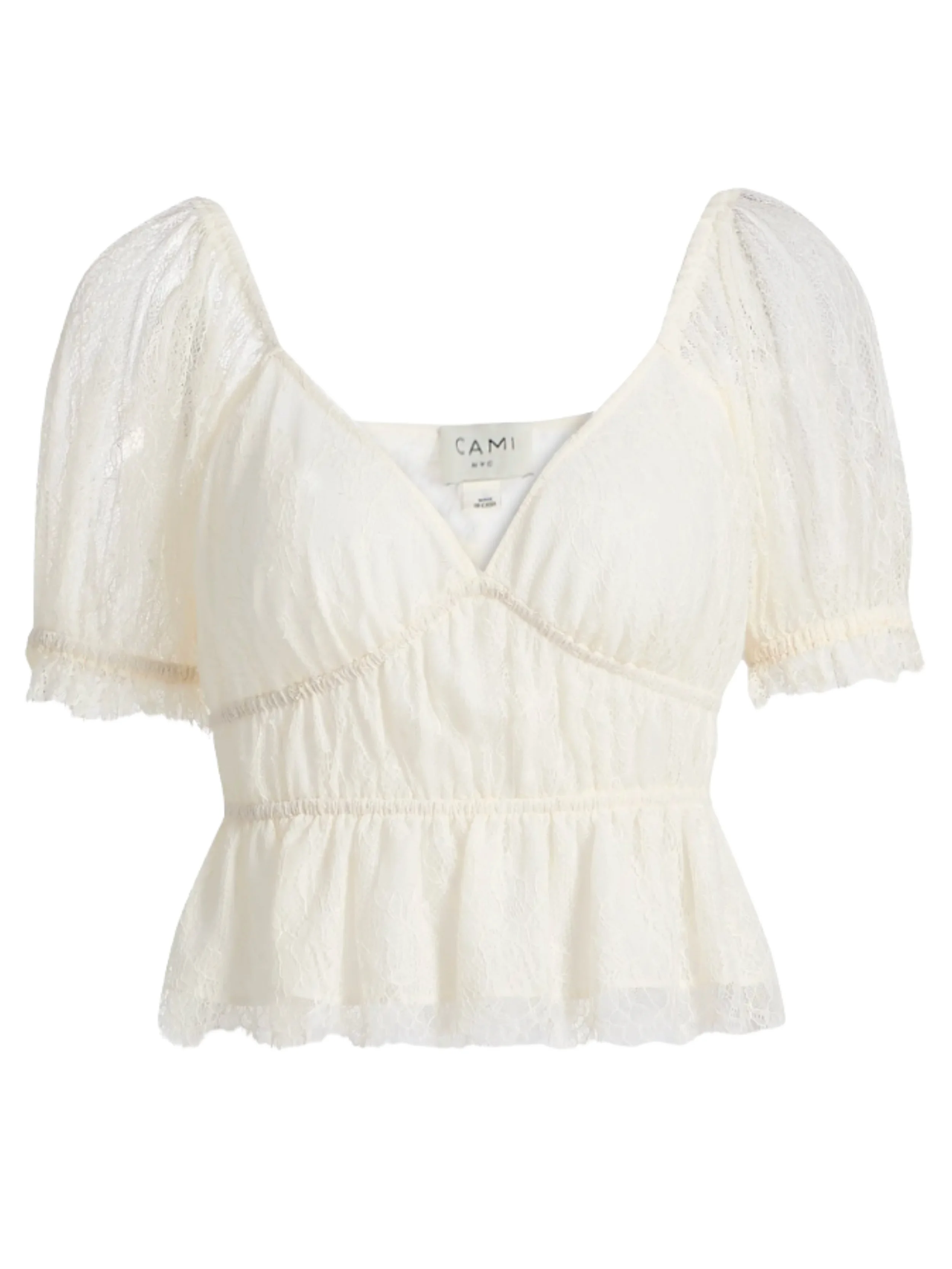
Wide Neckline
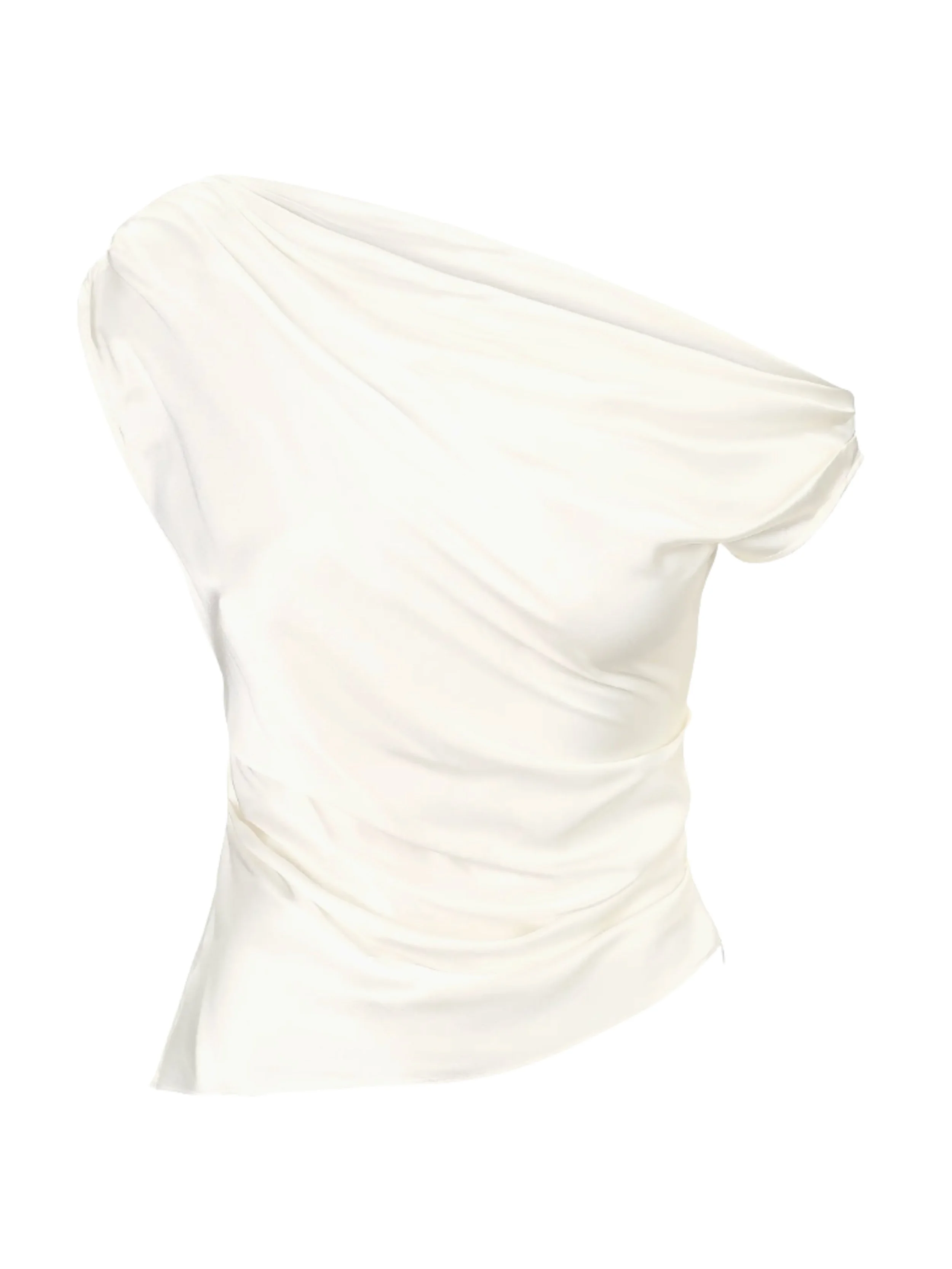
Asymmetric neckline
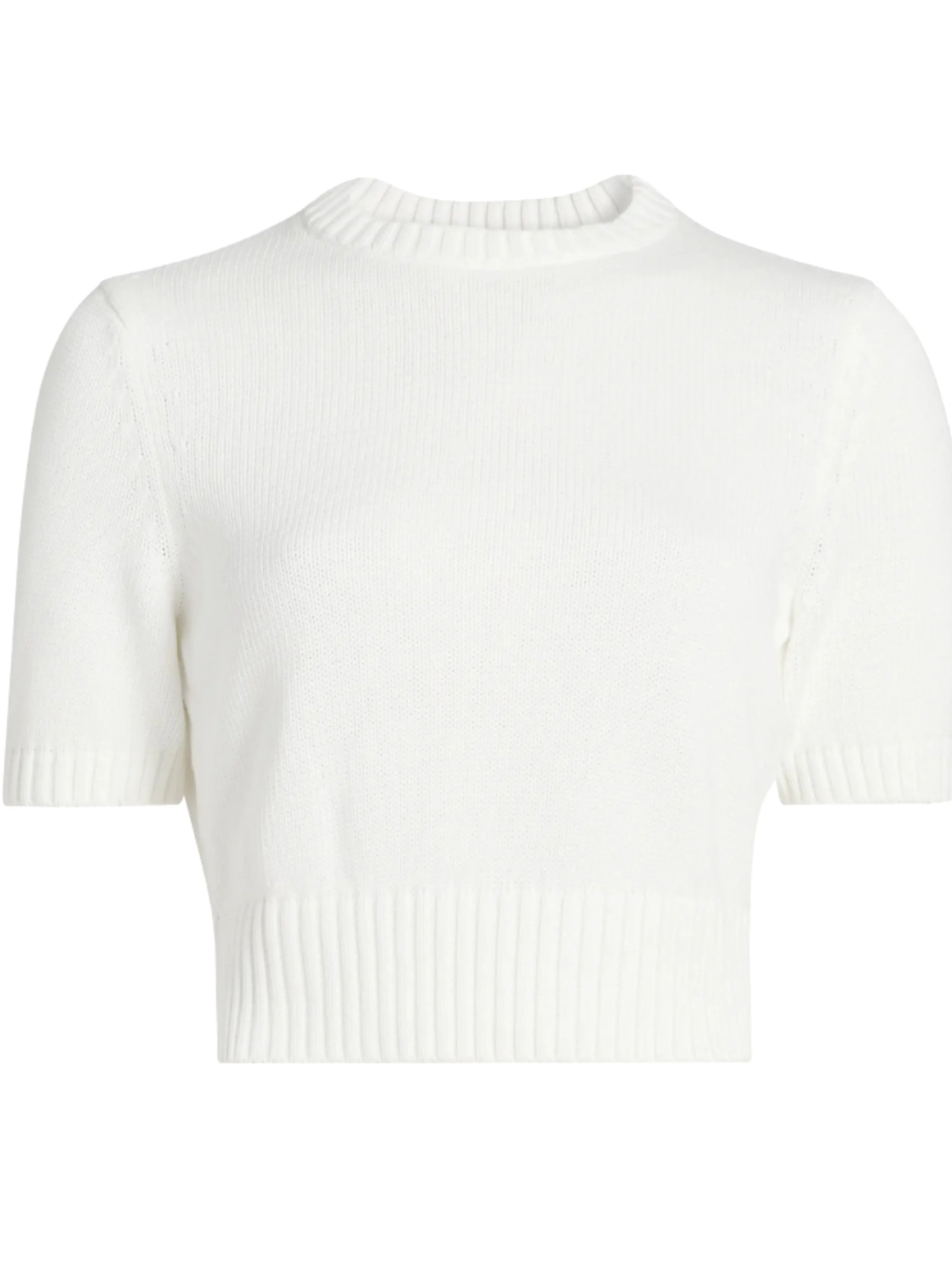
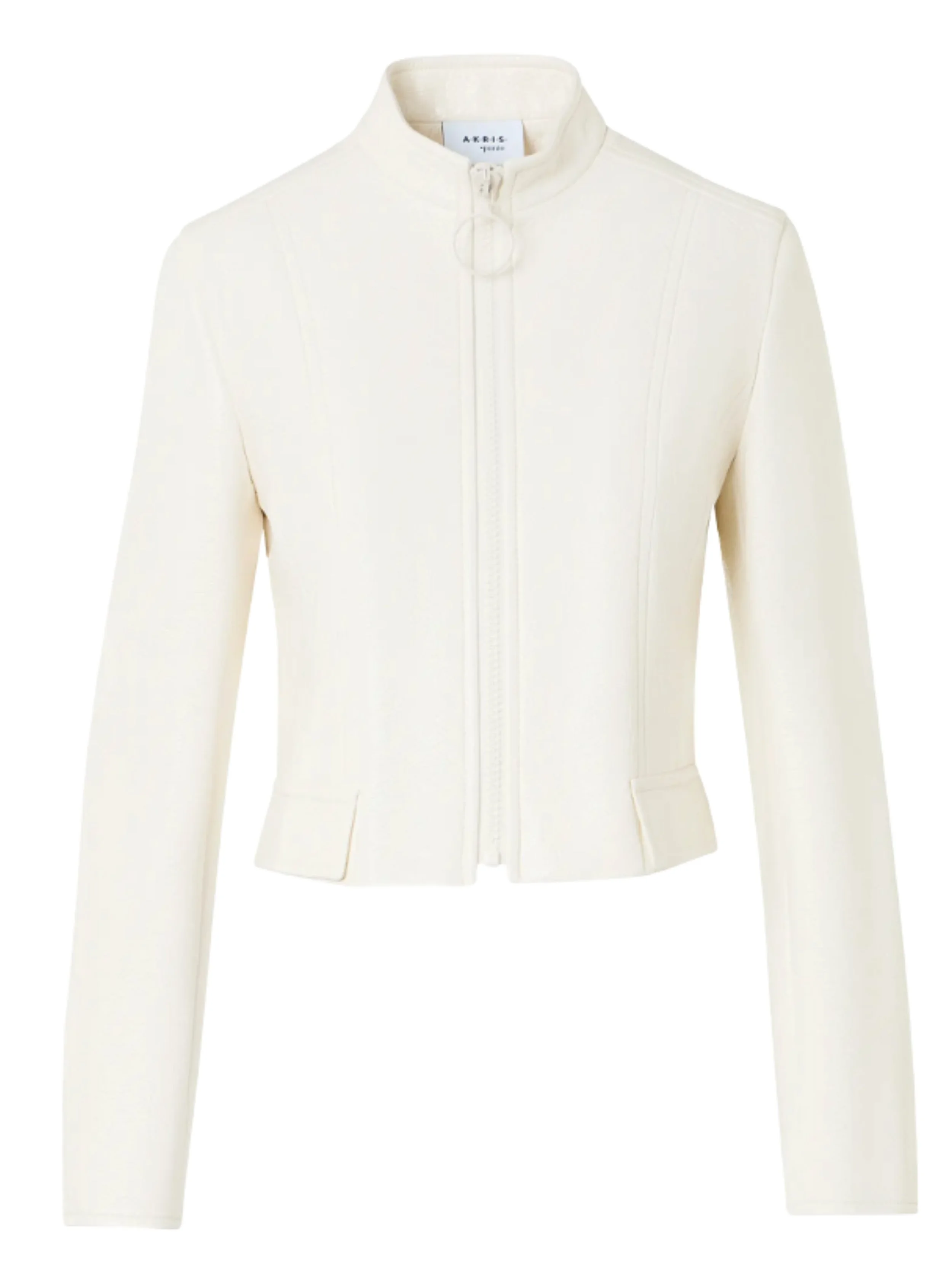
Stand collar
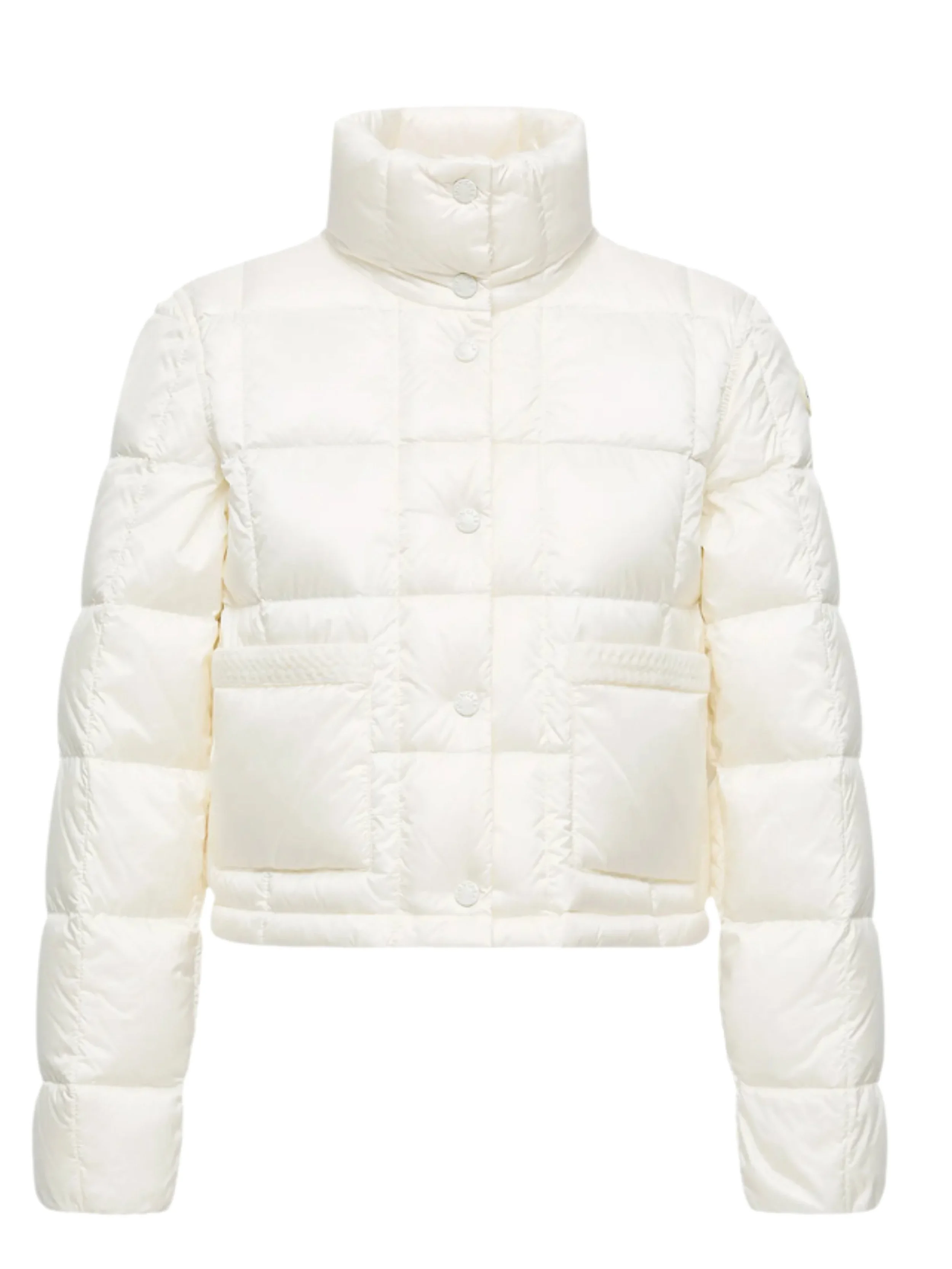
Stand up collar
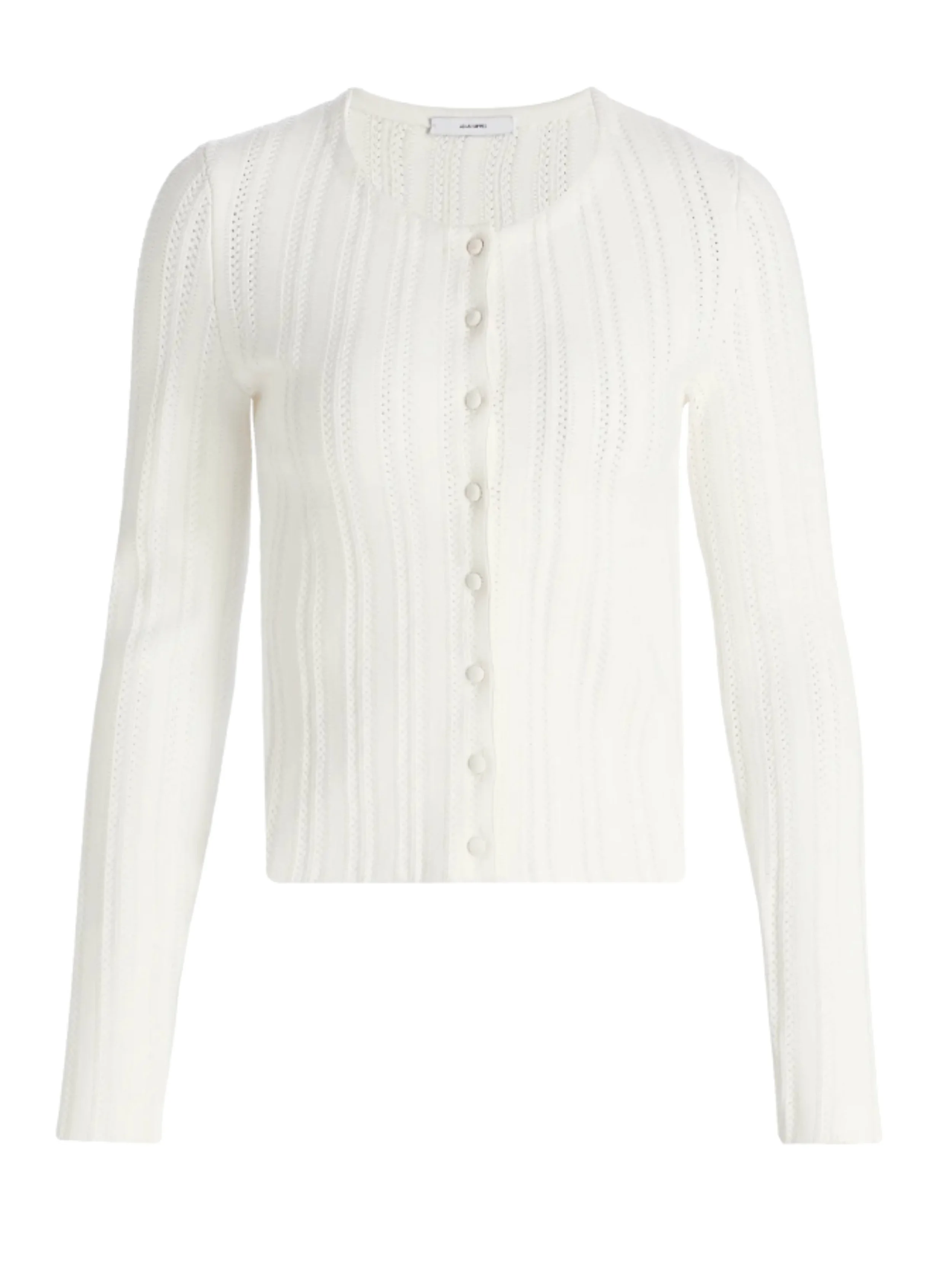
Cardigans neckline
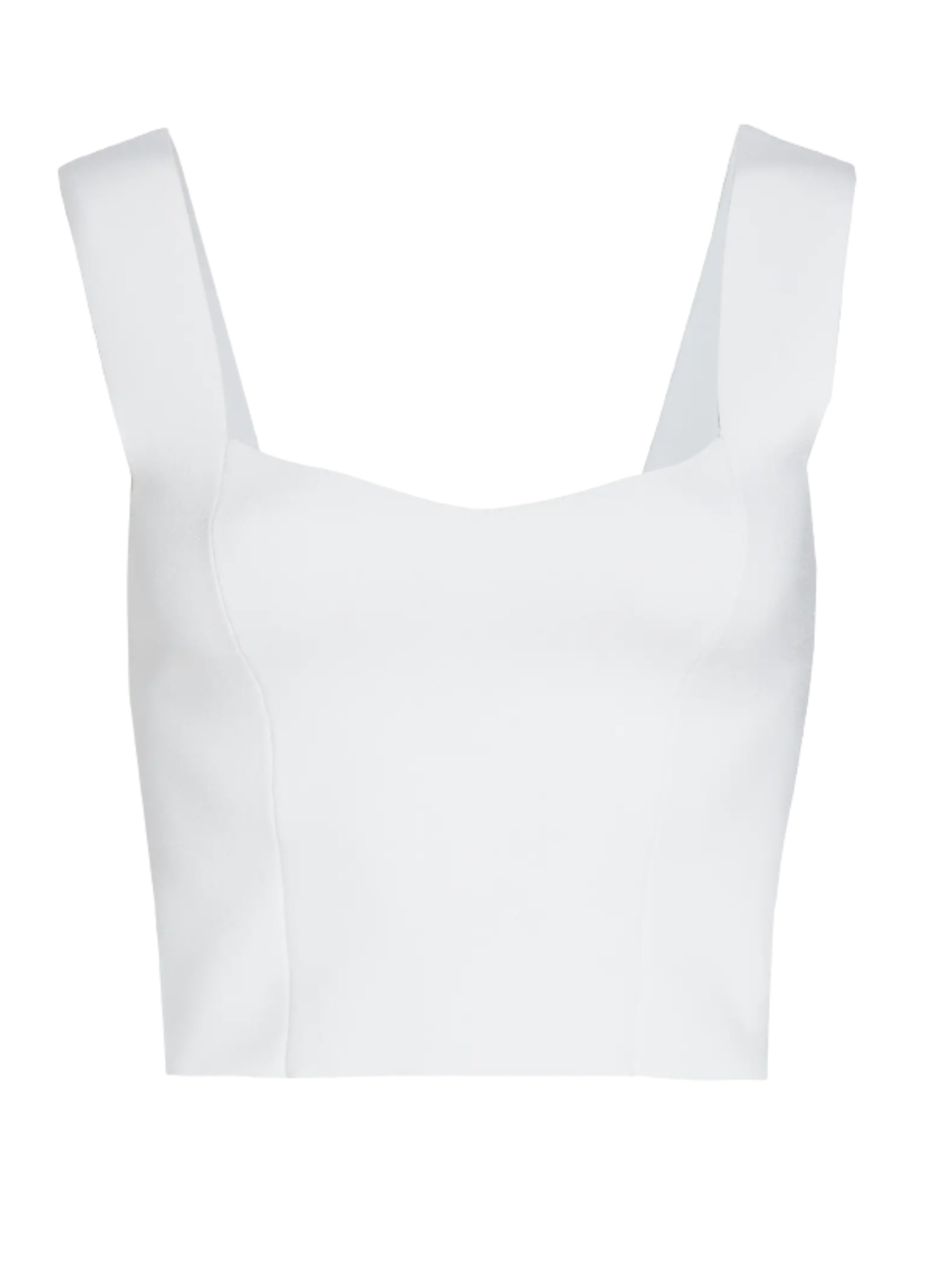
Thick straps
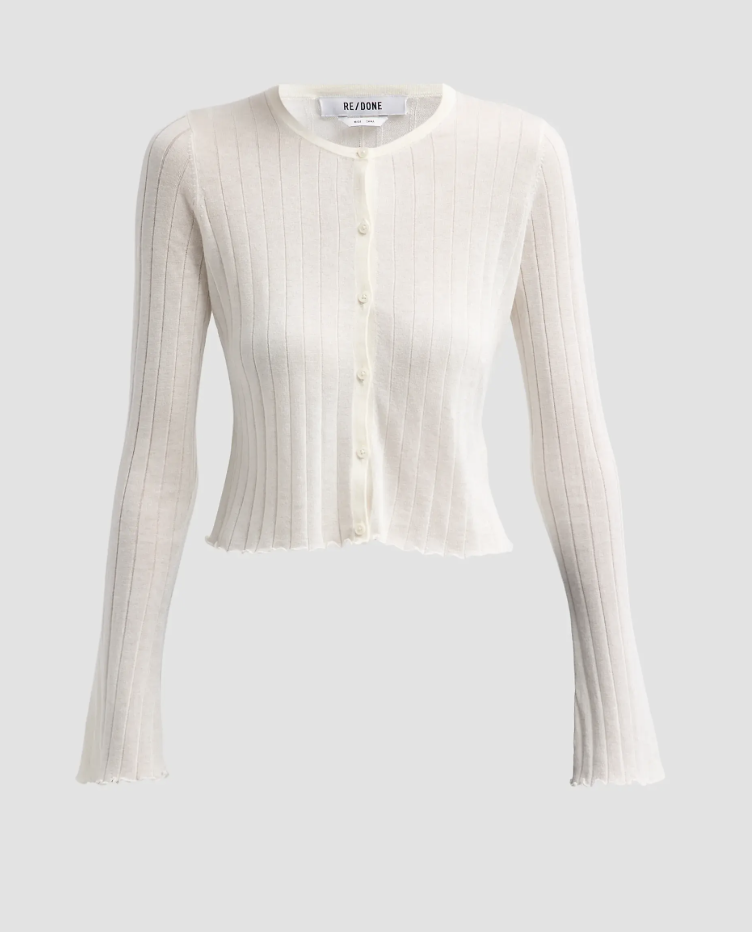
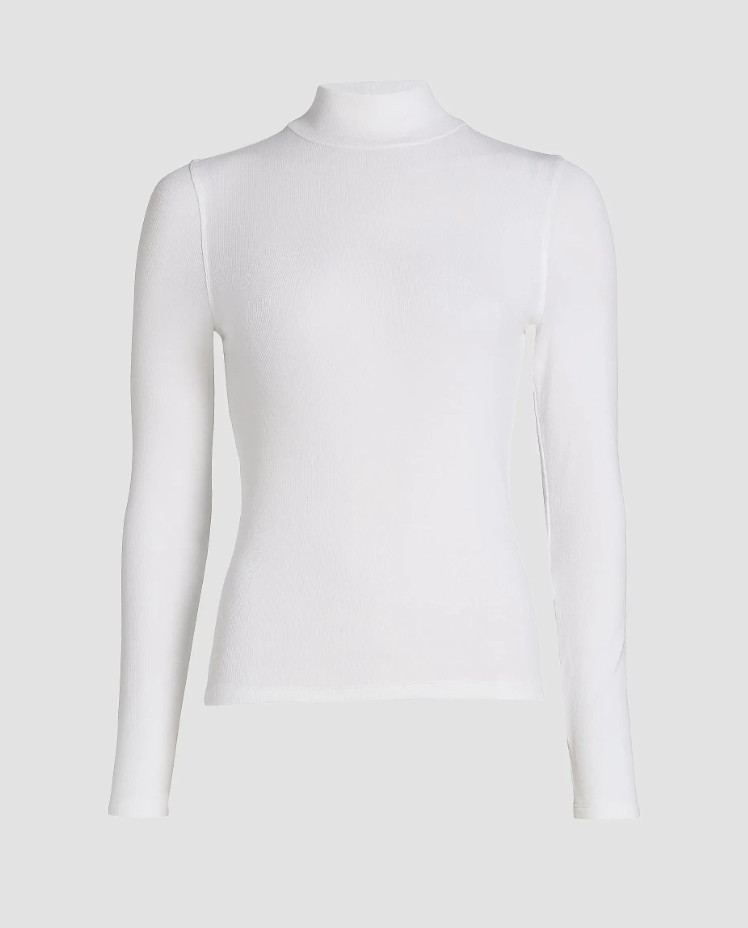
Sleeves
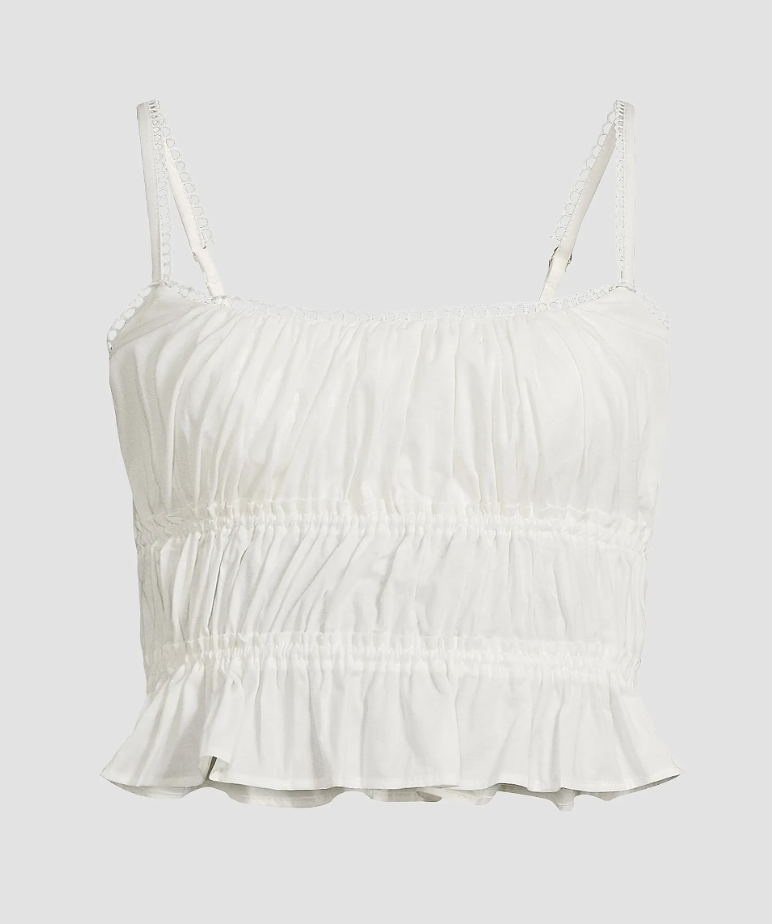
Keep visual details and volume below the elbow. Opt for clean lines and well-fitted shoulders, avoiding volume or embellishment around the shoulder area. Choose halter necklines, dropped shoulders, or raglan shoulder seams, always thin or spaghetti straps, as these help soften the shoulder line and create a more balanced silhouette.
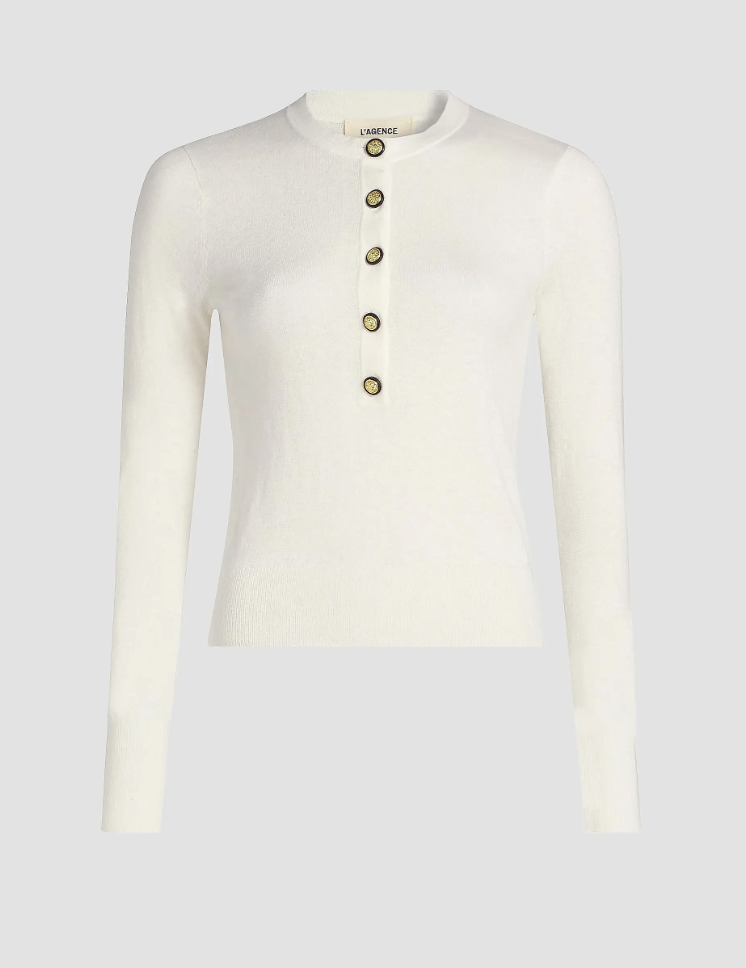
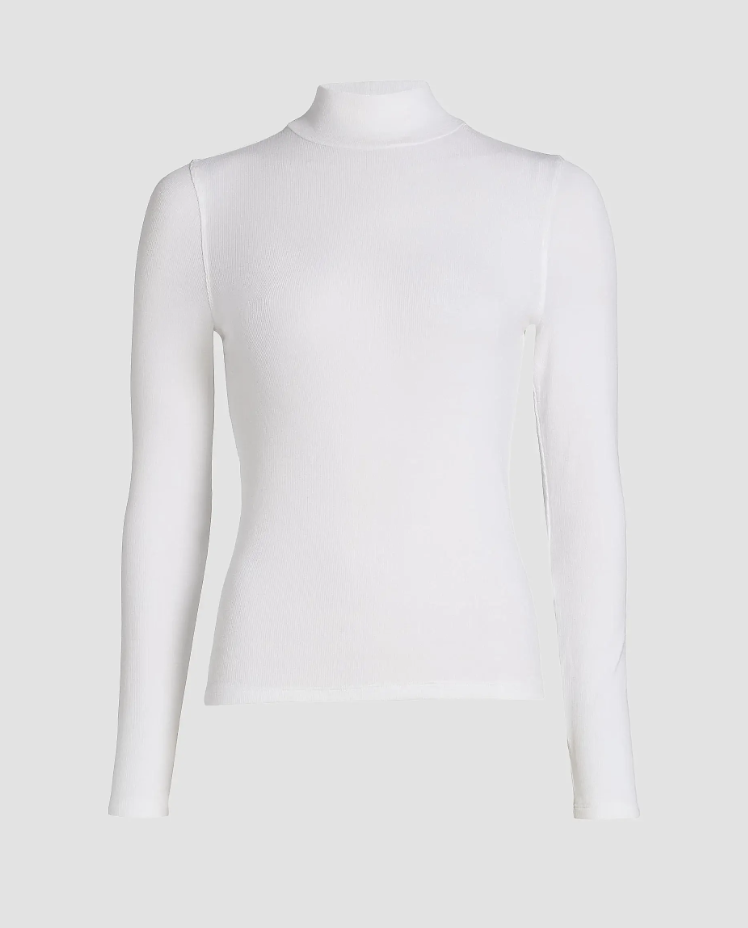
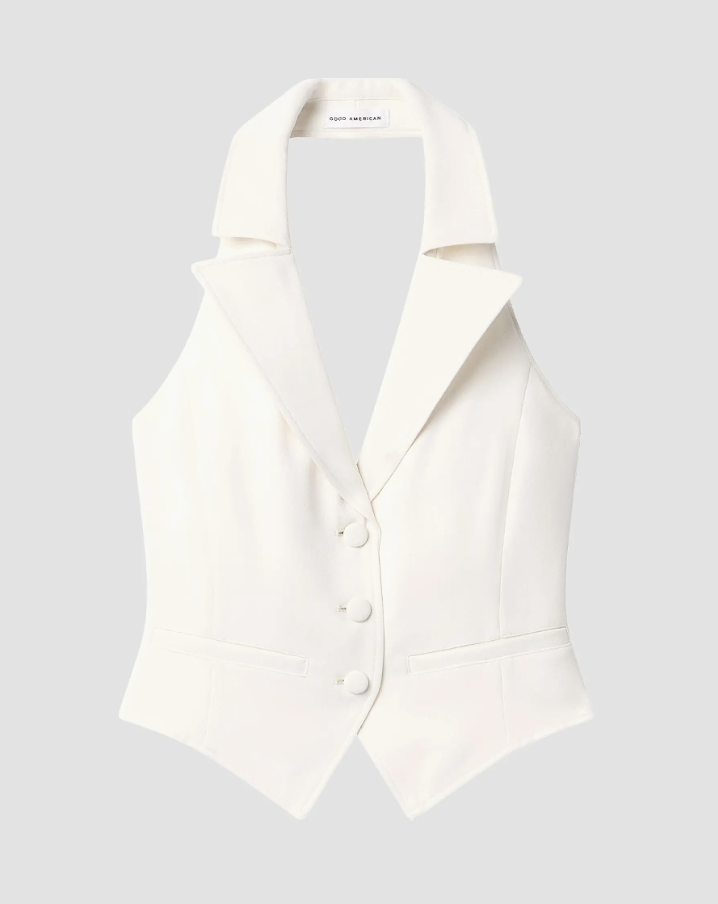
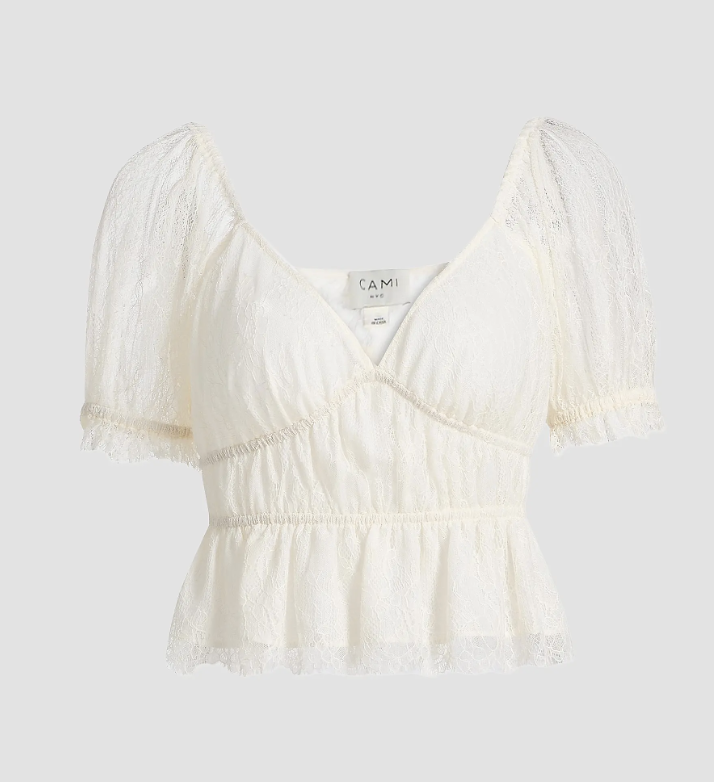
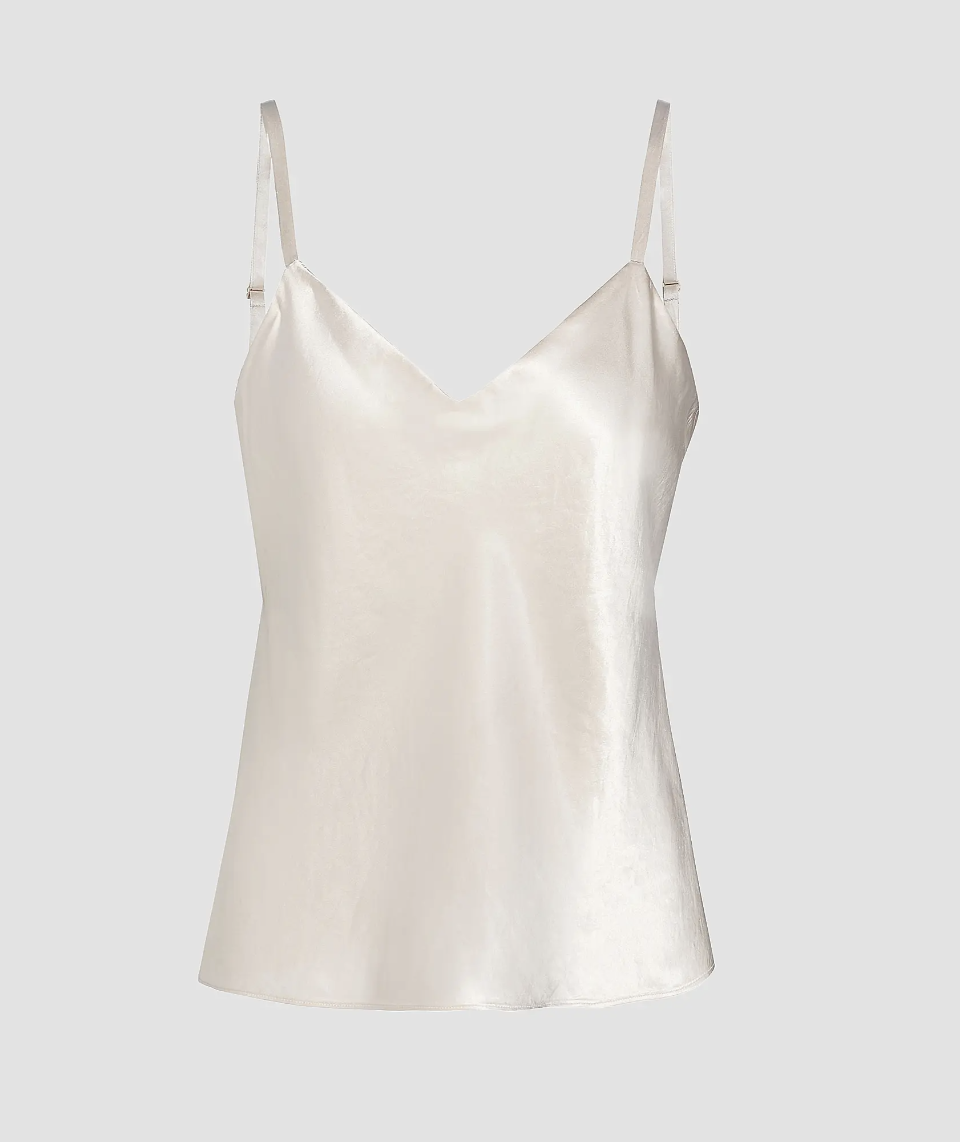
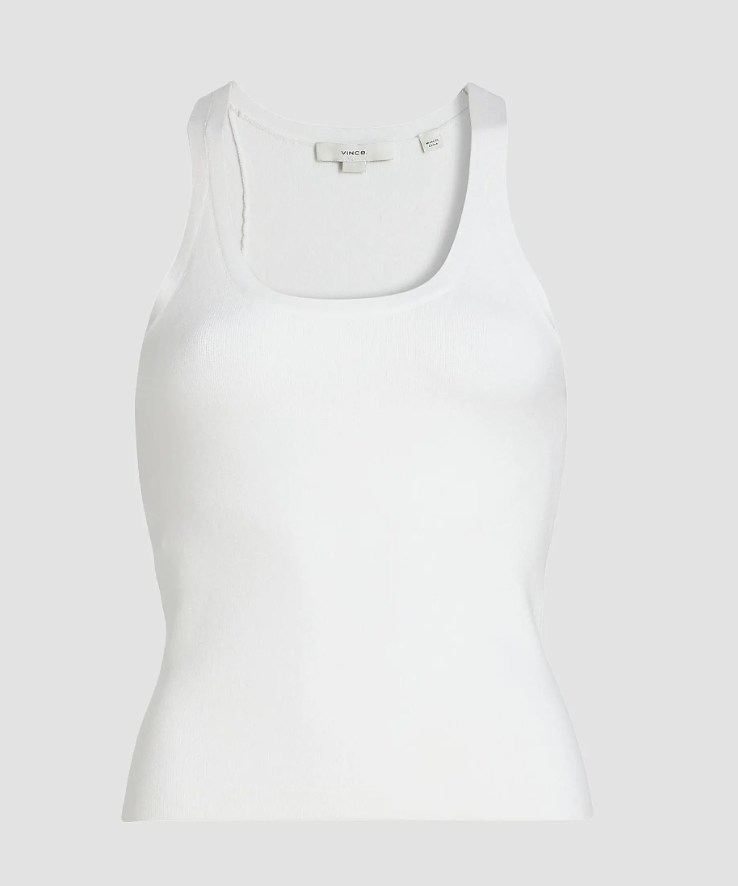
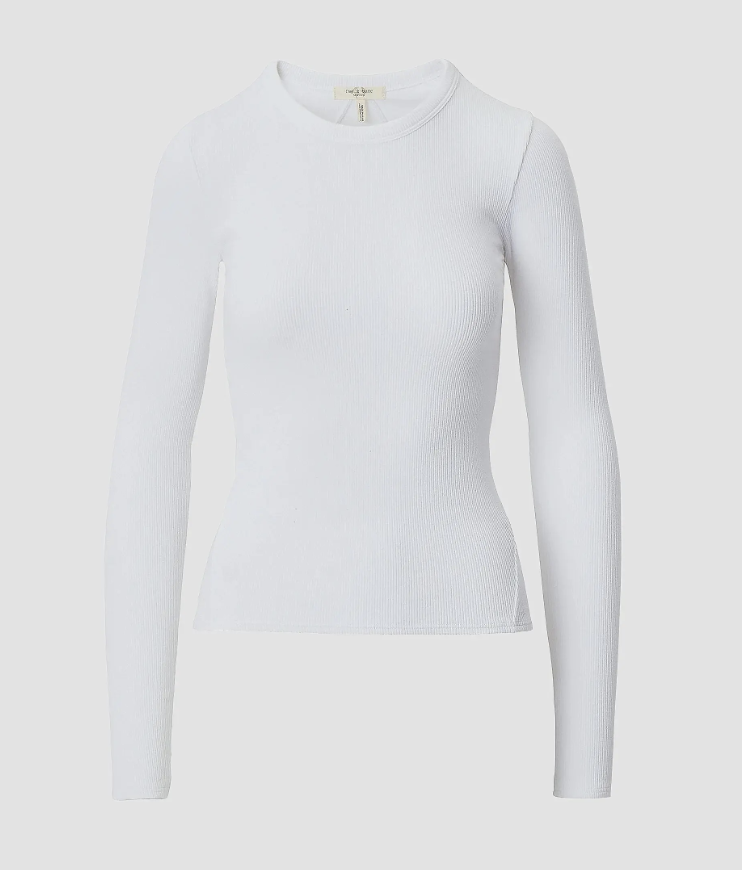
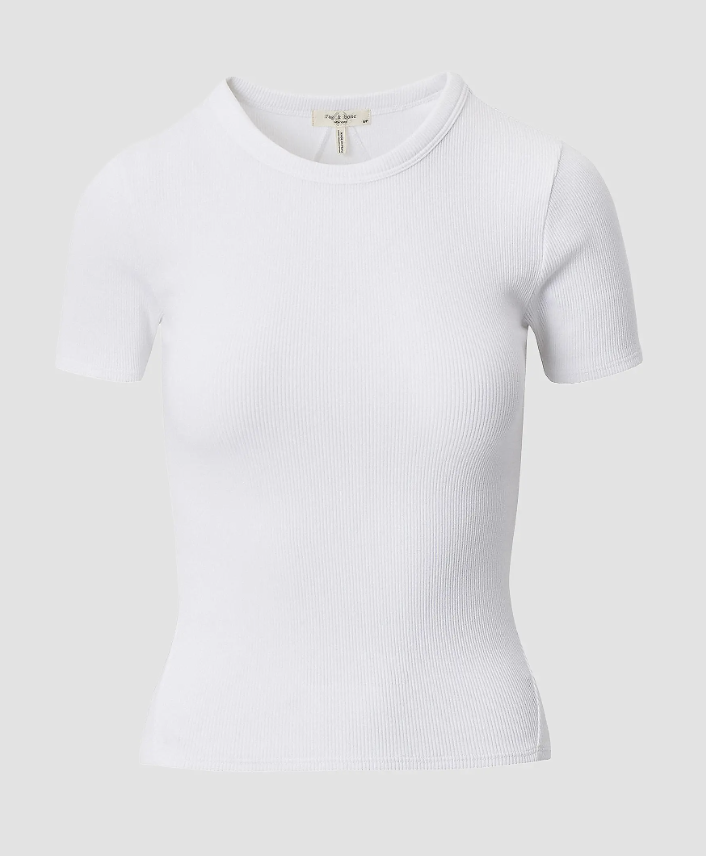
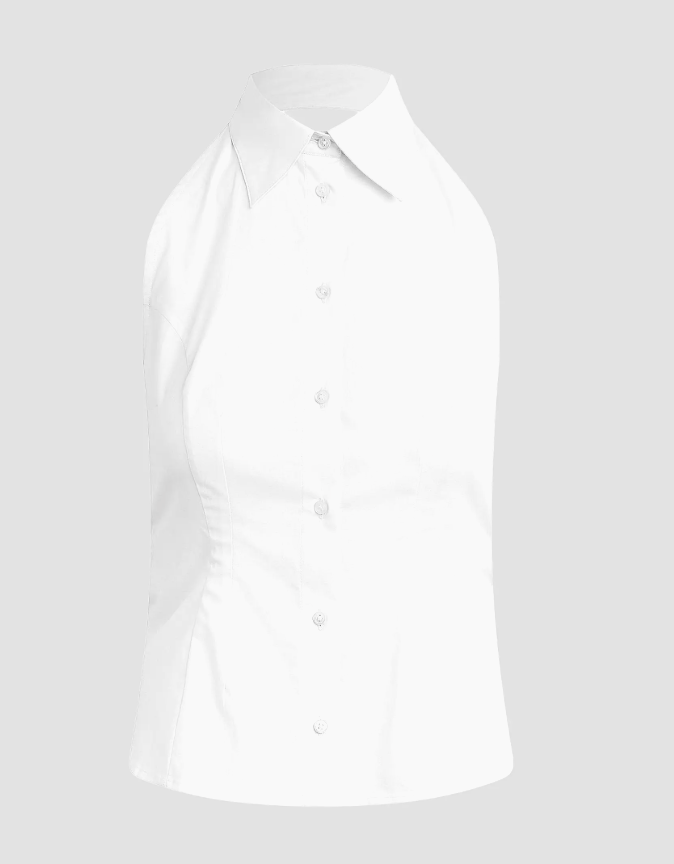
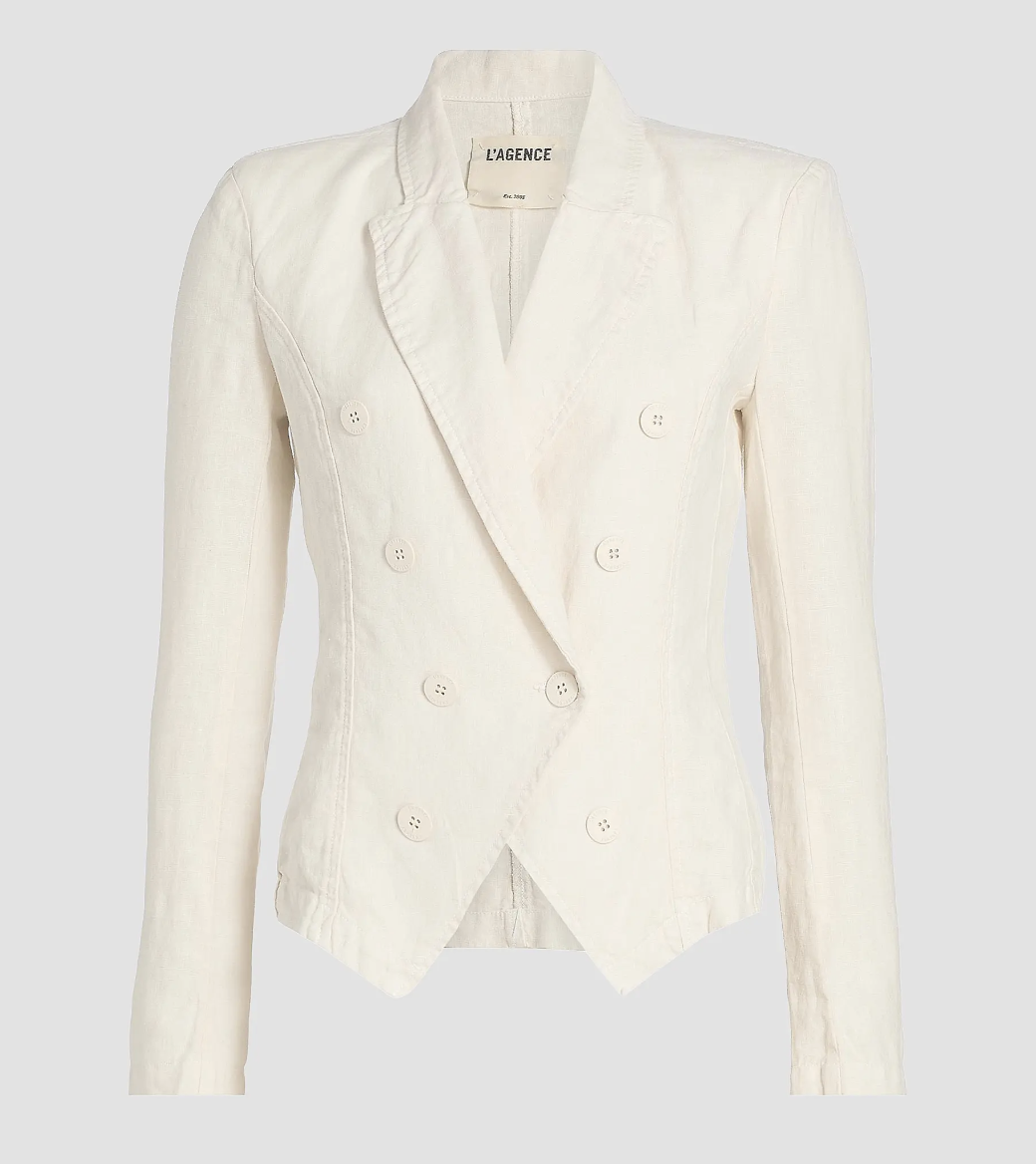
SILHOUETTES - INSIDE LINES
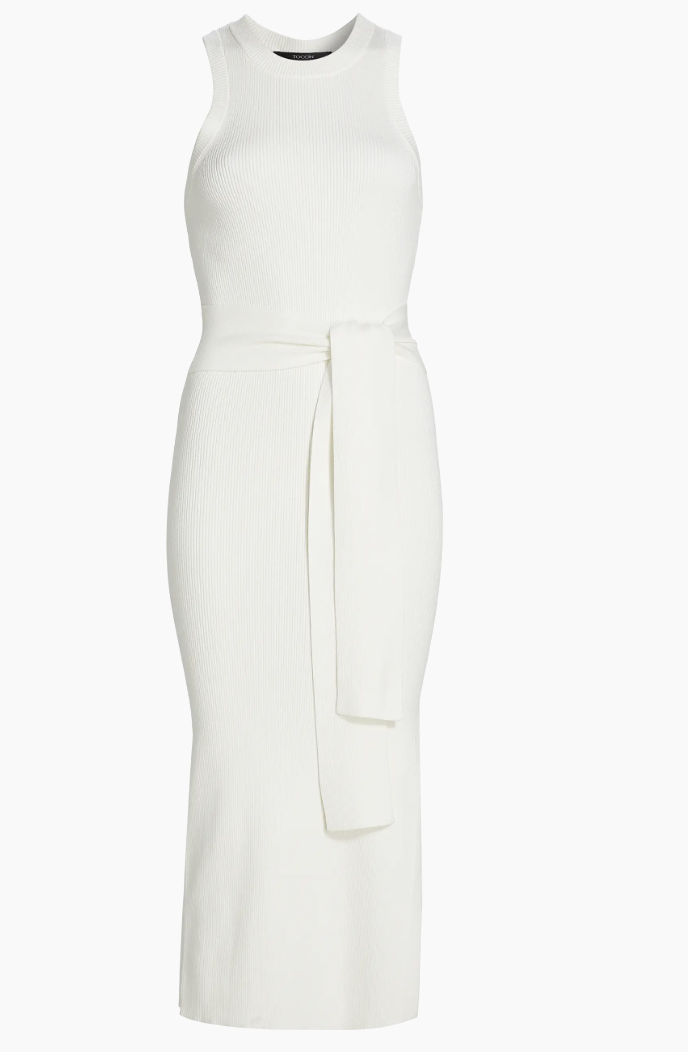
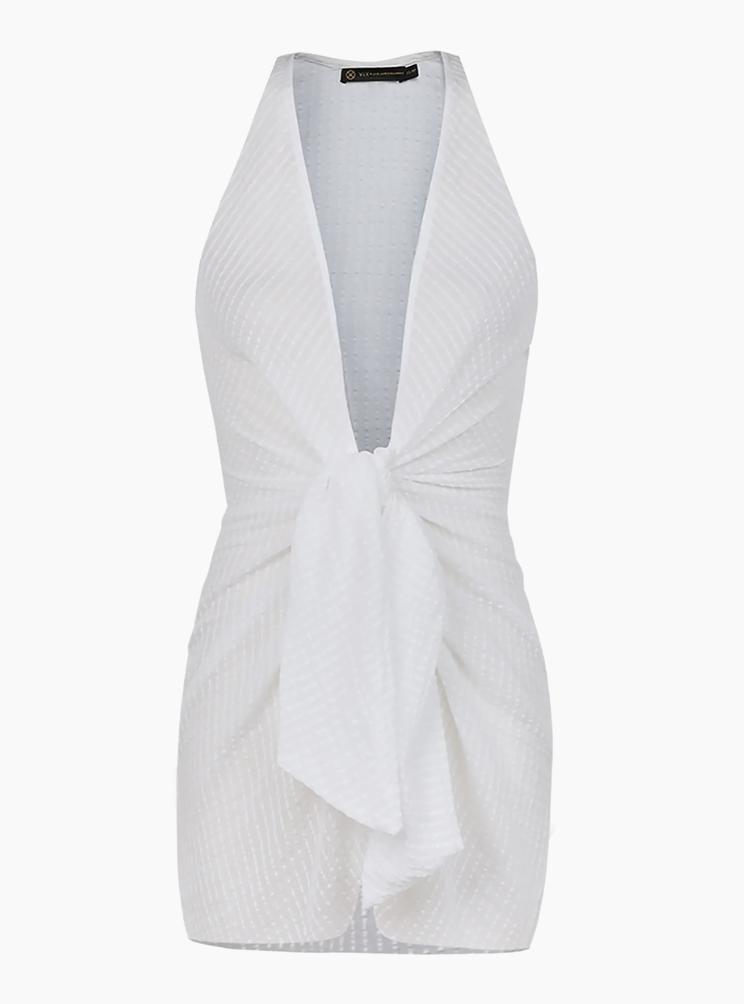
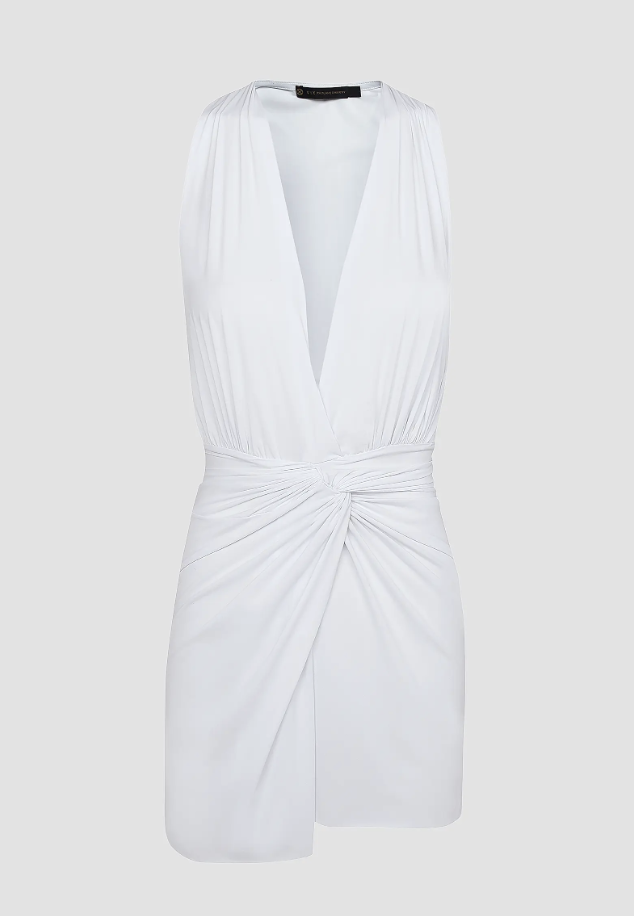
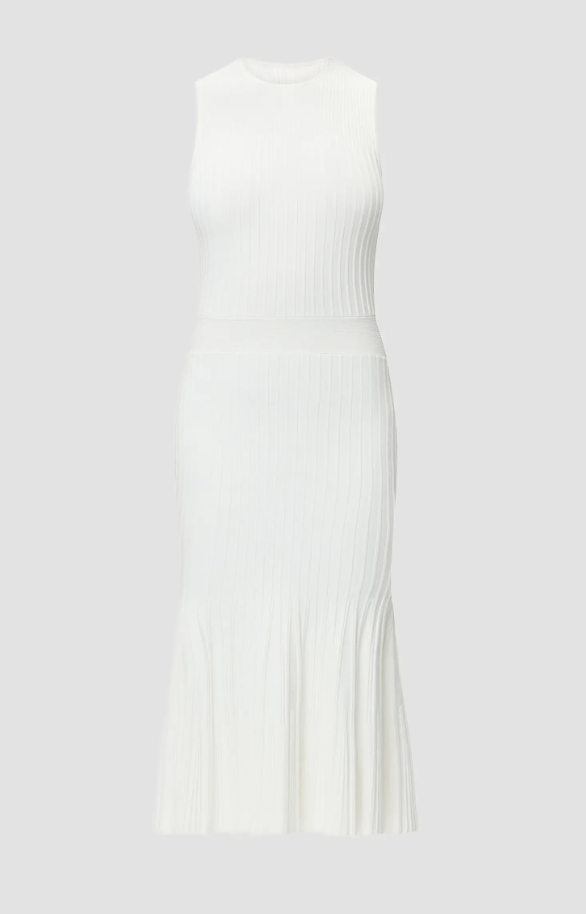
Always define your waistline to highlight the narrowest part of your silhouette. If you prefer looser-fitting garments, choose trapeze or A-line silhouettes that skim the body without adding bulk. Opt for empire waistlines rather than dropped waists, as they emphasize your natural waist and keep the hip lines clean to create a more balanced, flattering proportion.
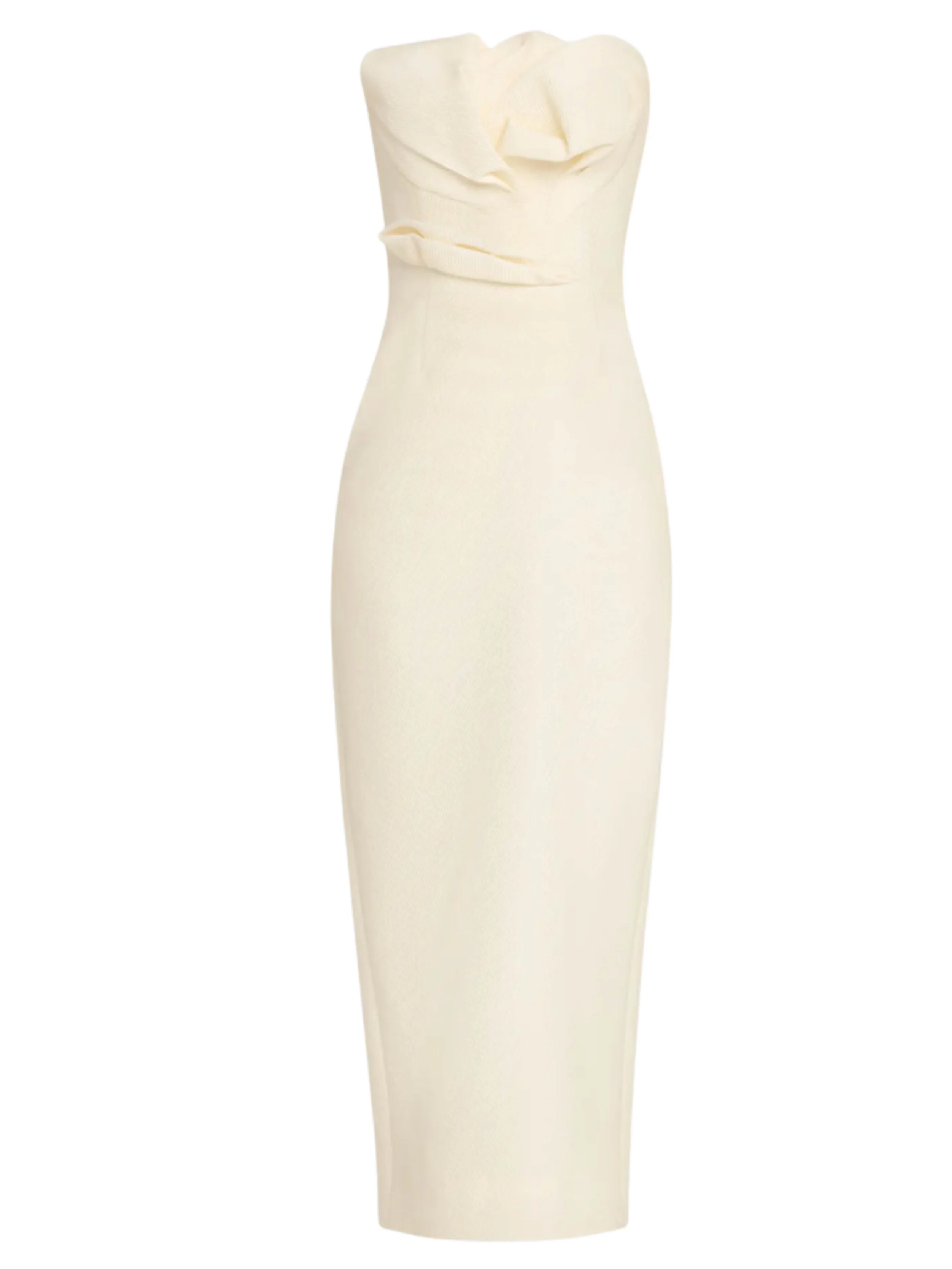
Sheath silhouette - Should curve in around your hip
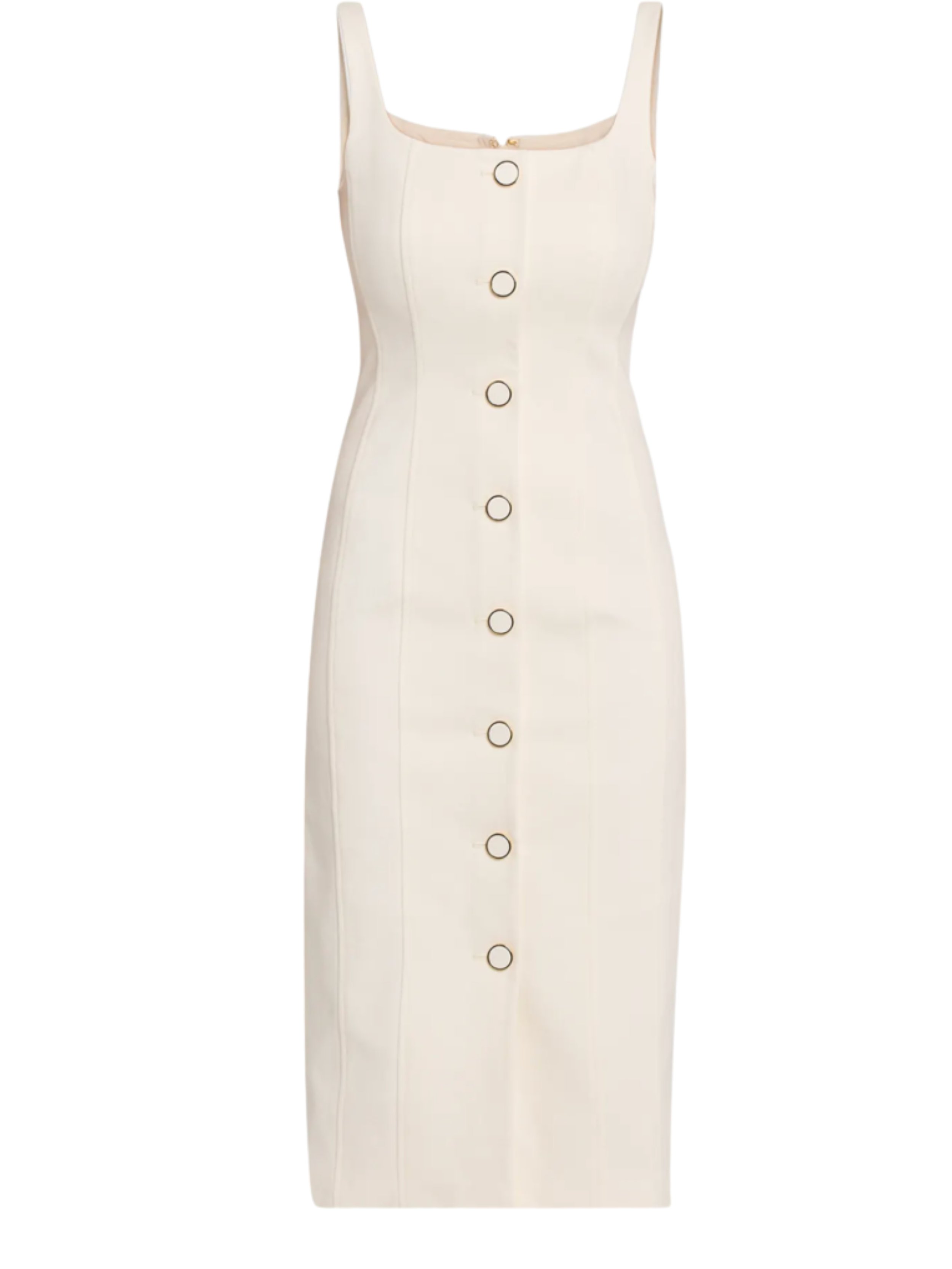
Vertical lines
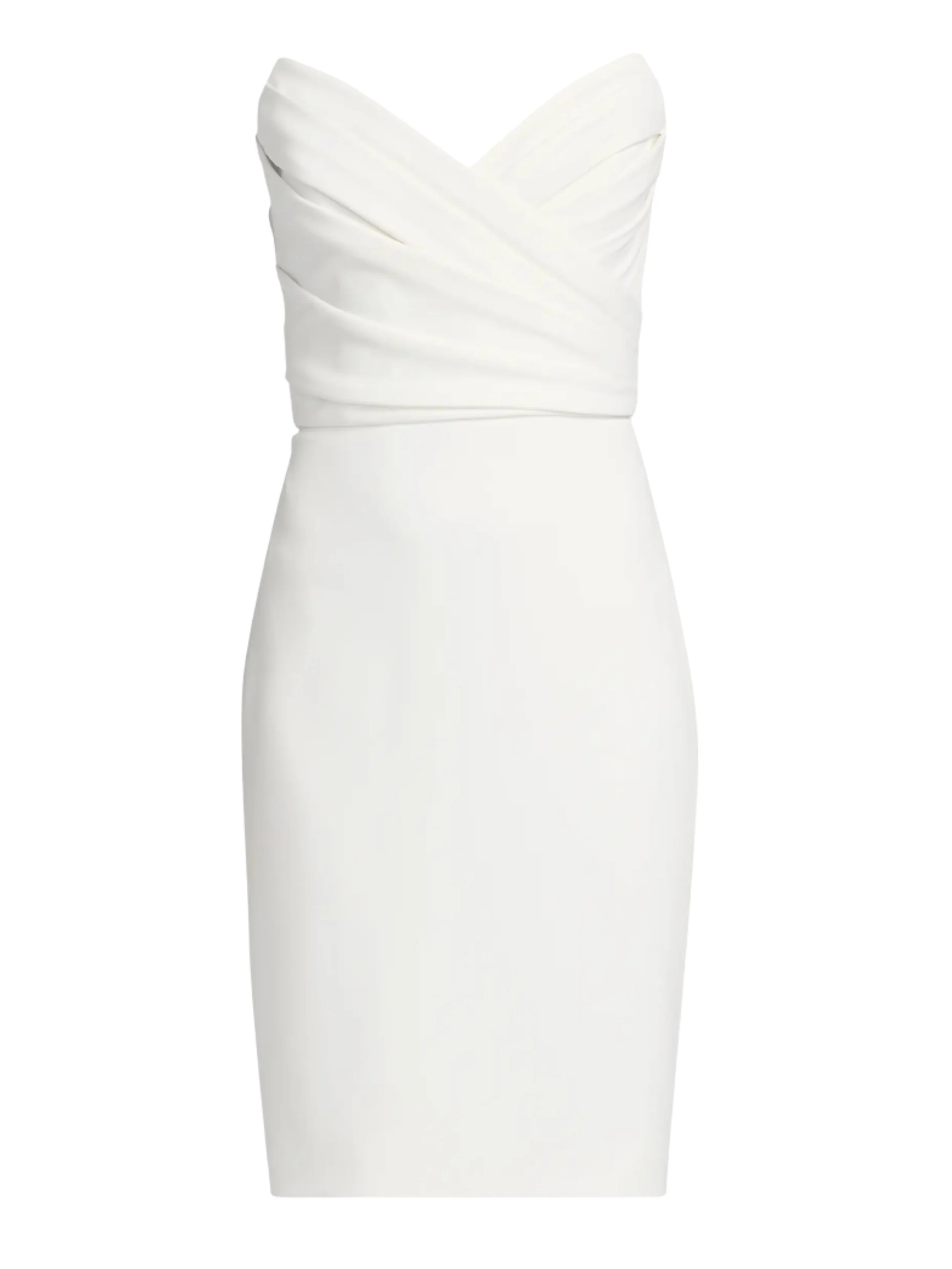
Horizontals mid waist line
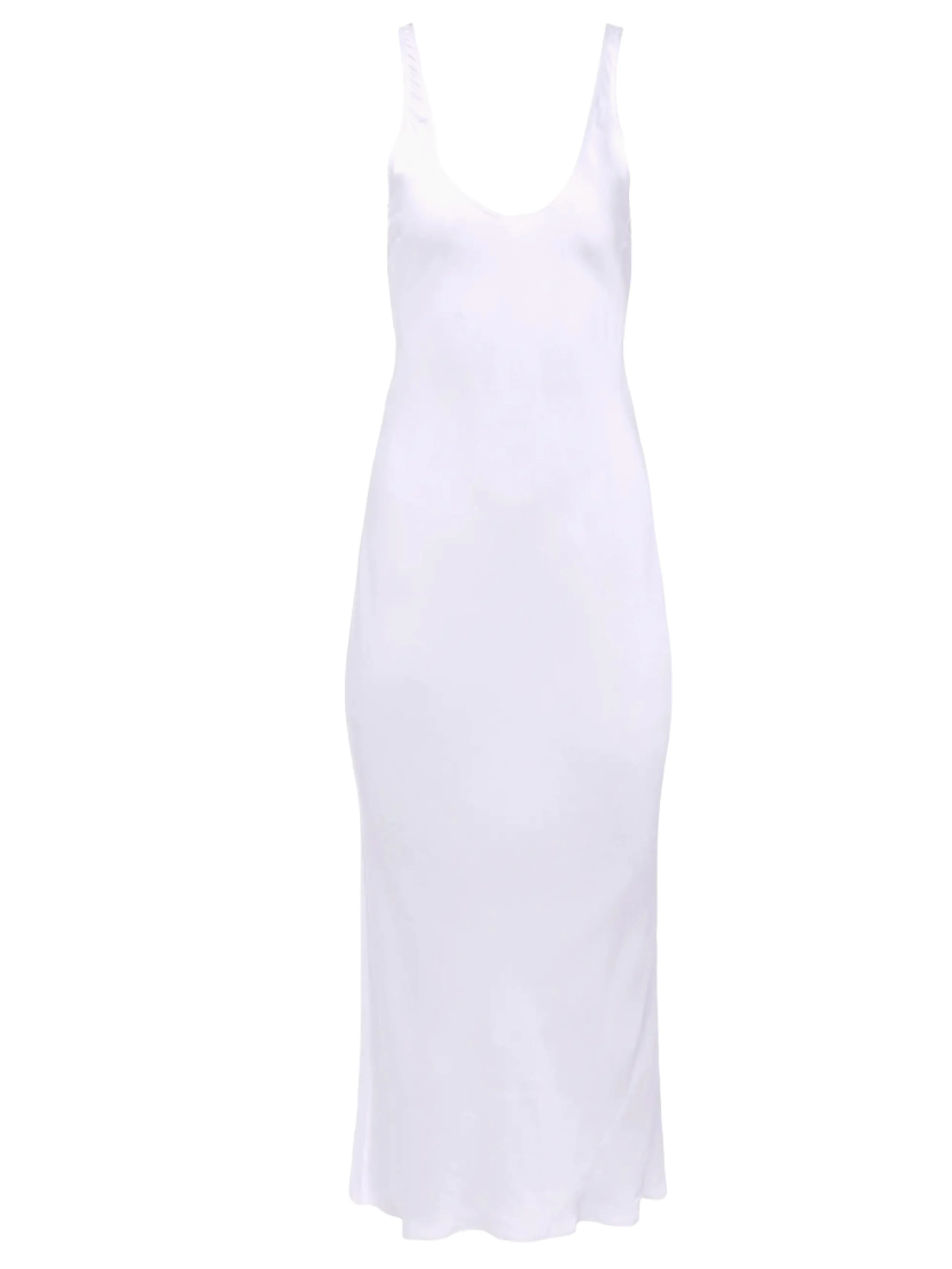
Silk fabrics cut on bias to hug your silhouette
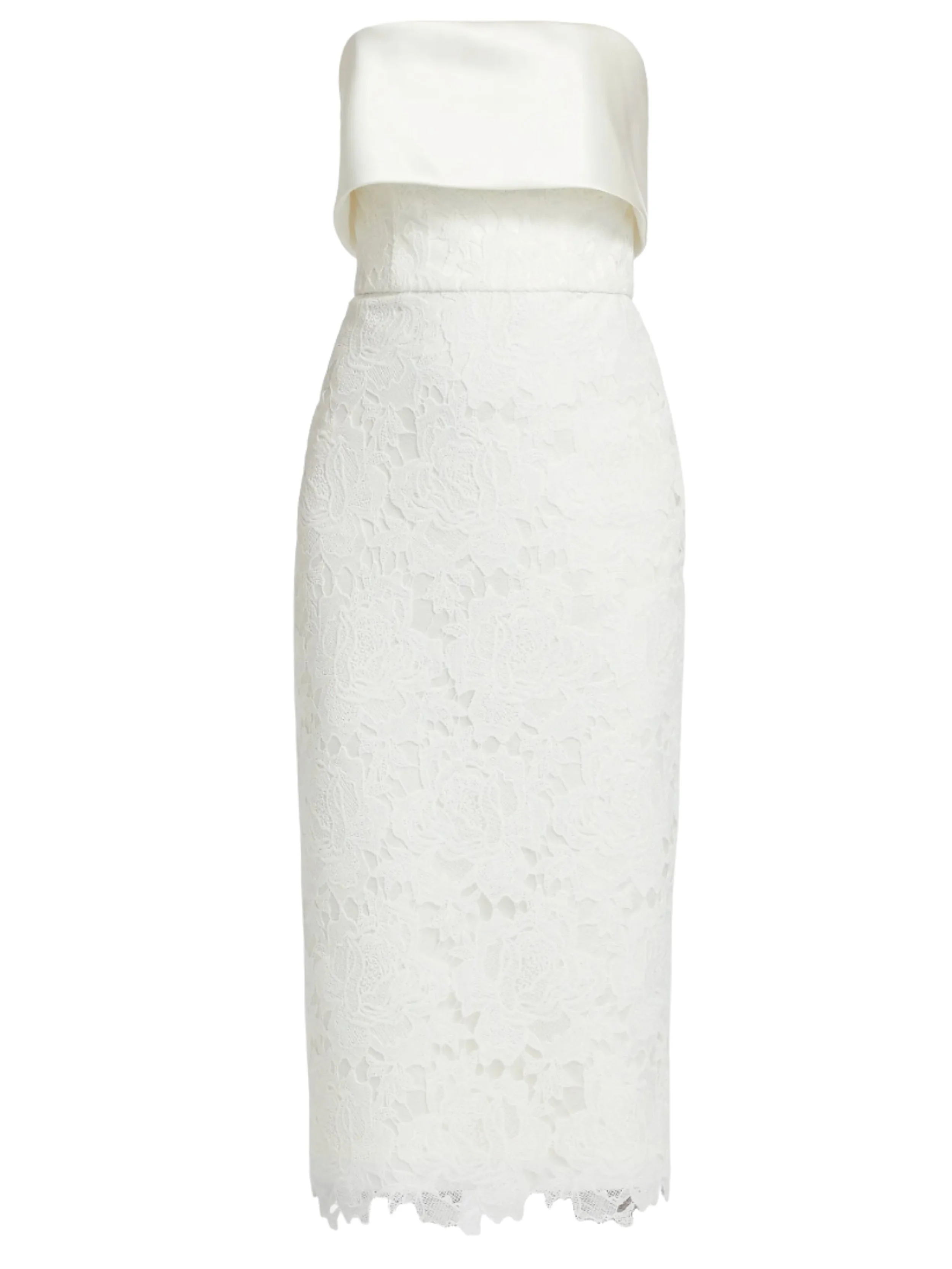
Angular inside lines
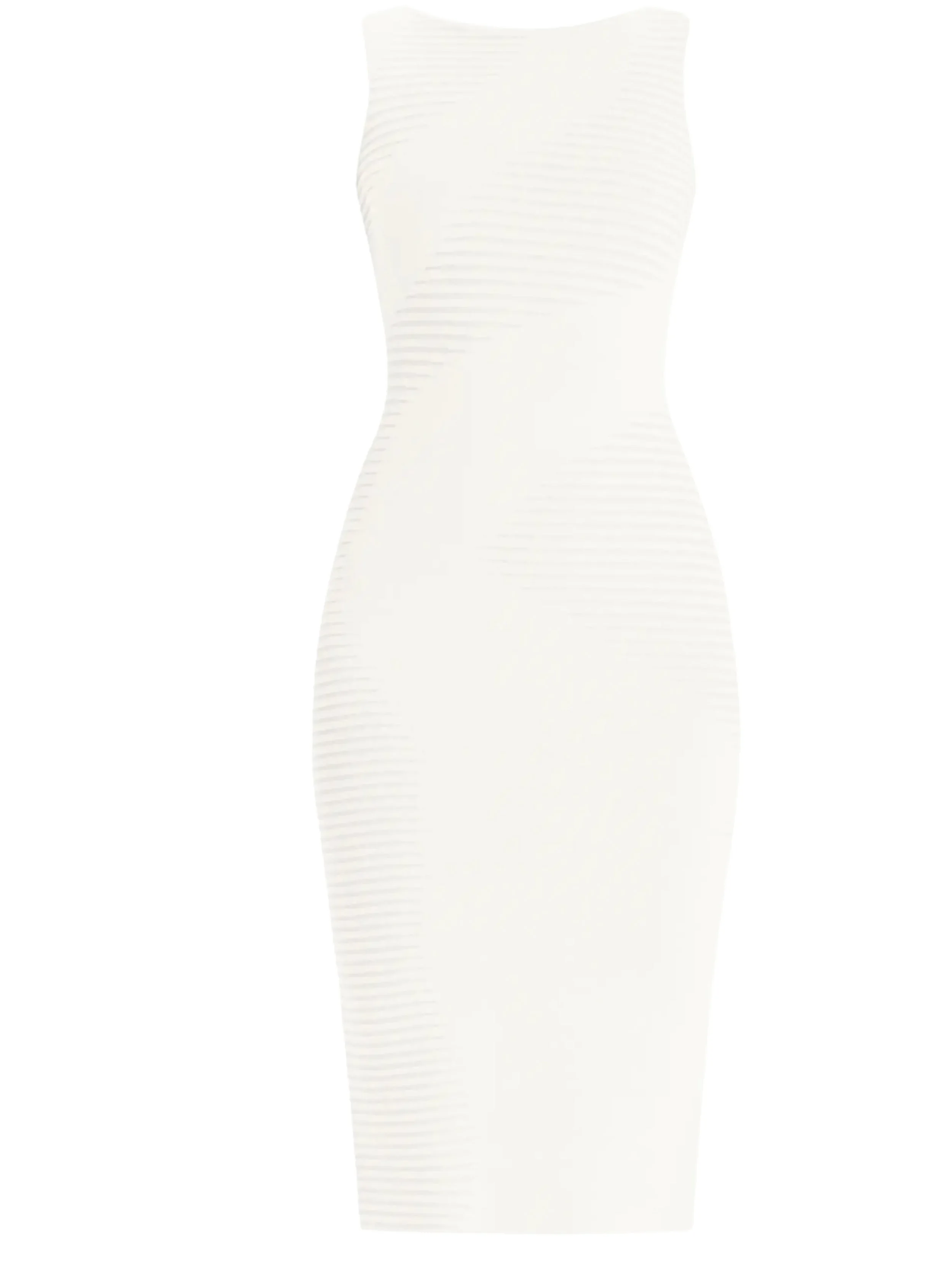
Horizontal lines on upper body
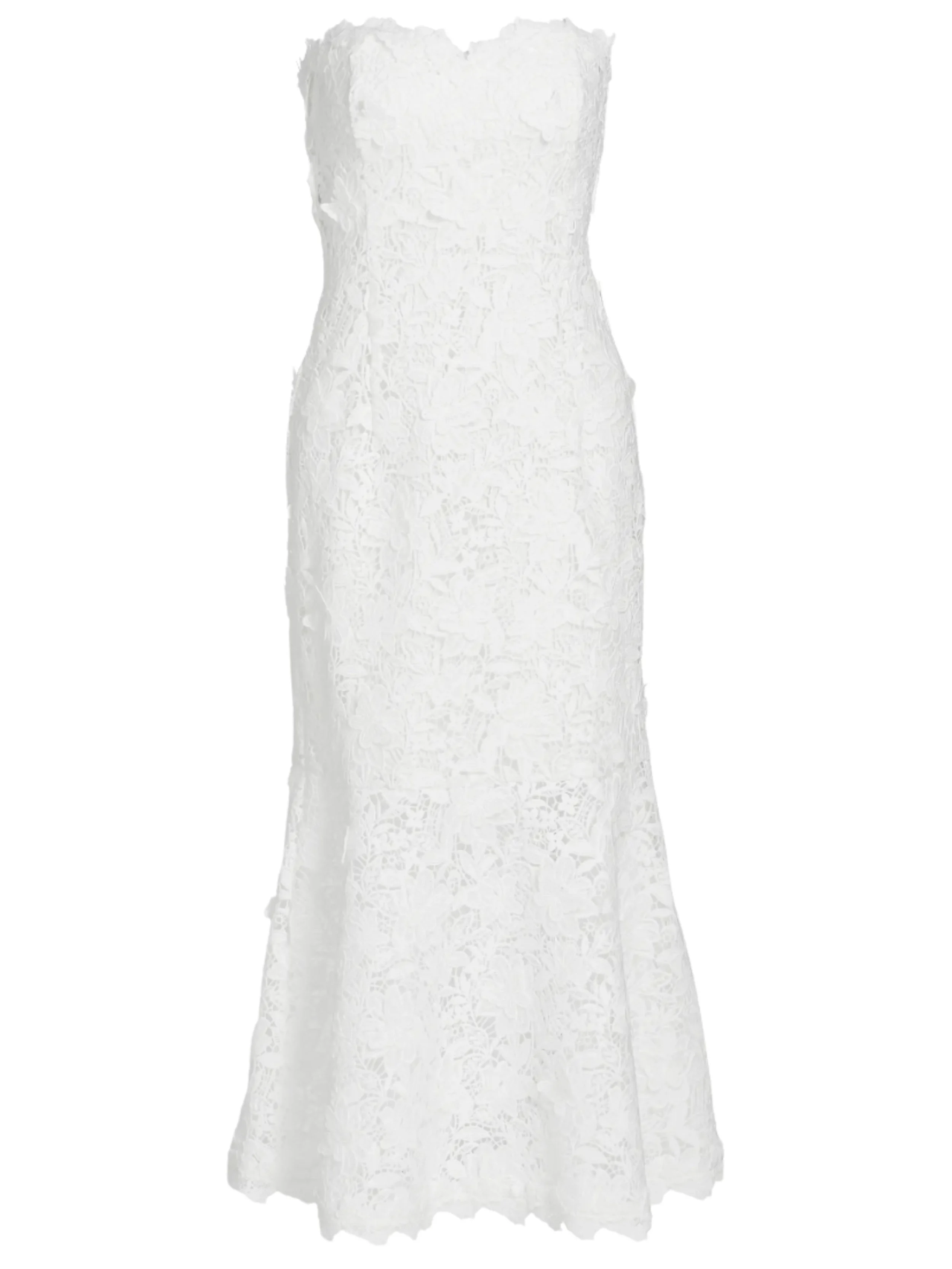
Tube silhouette Mermaid flaring
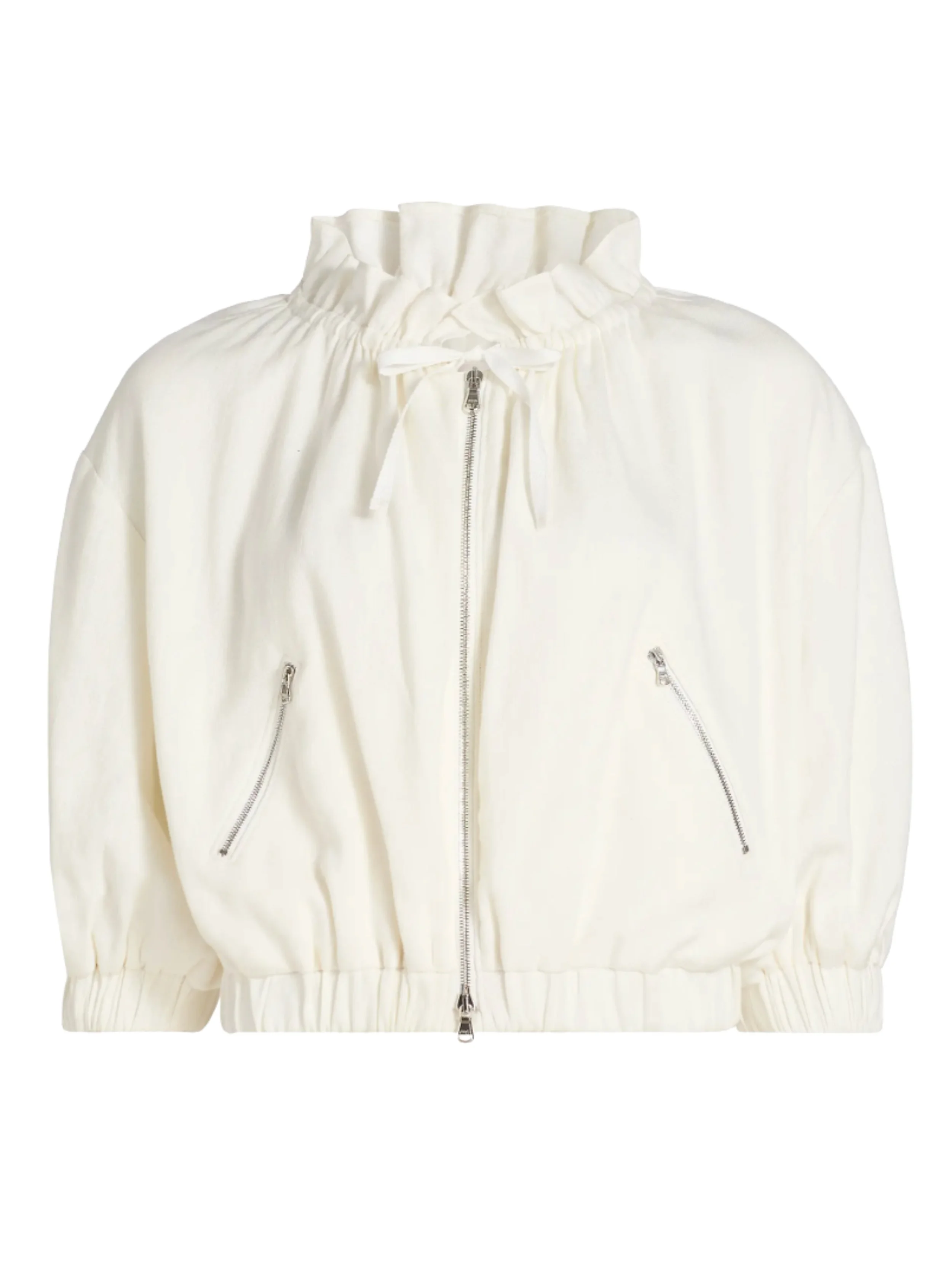
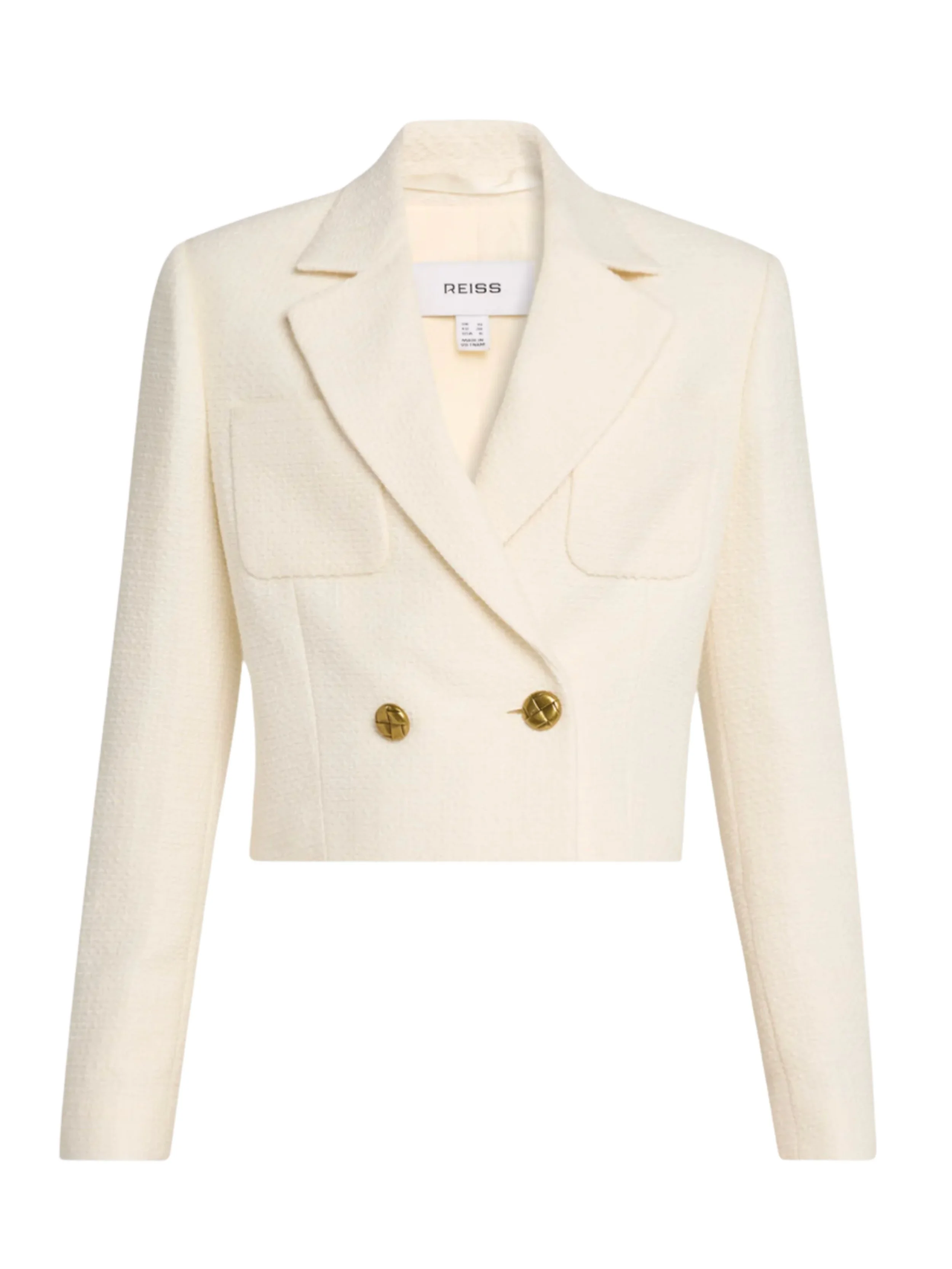
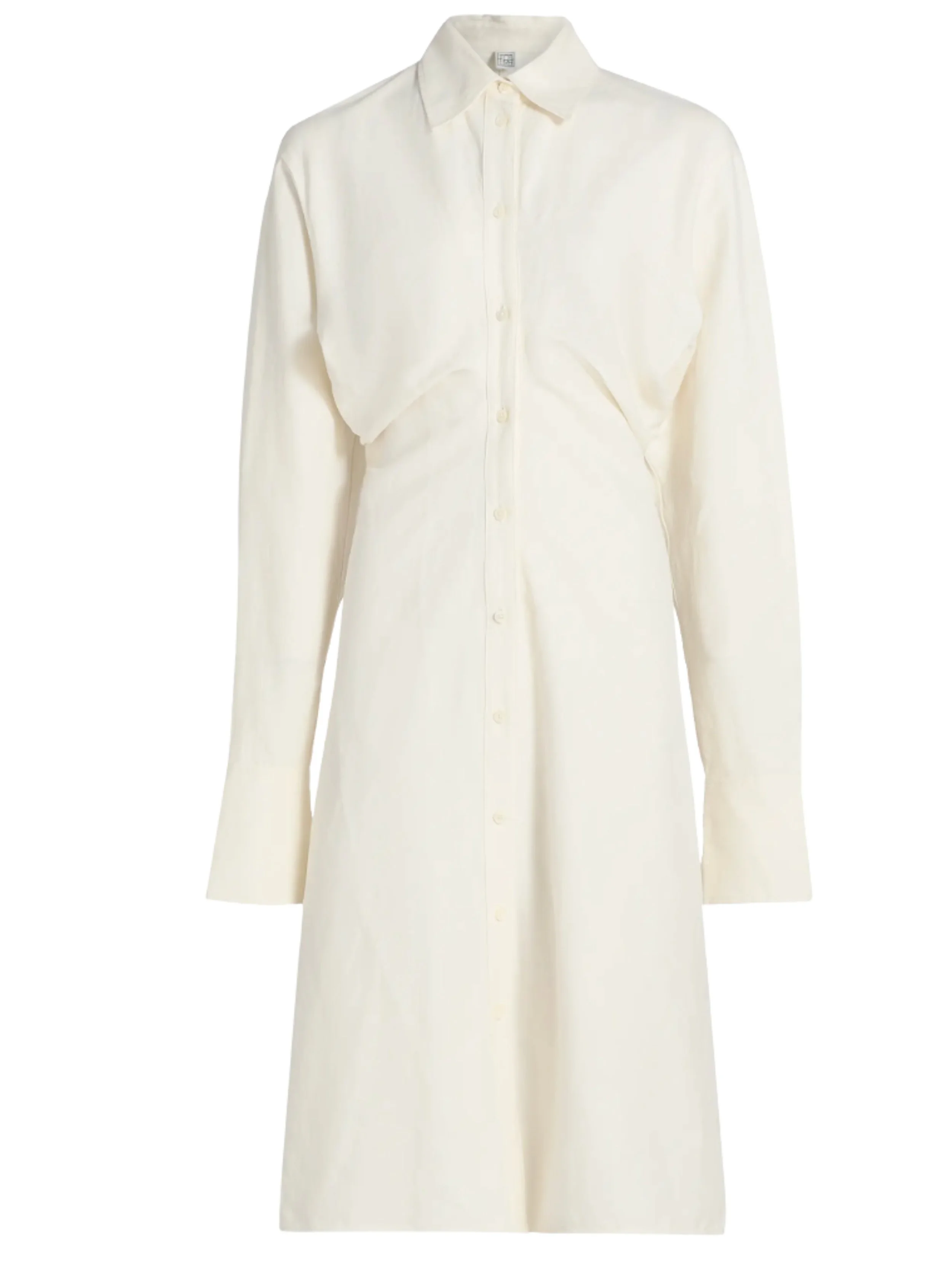
Fitted waist line
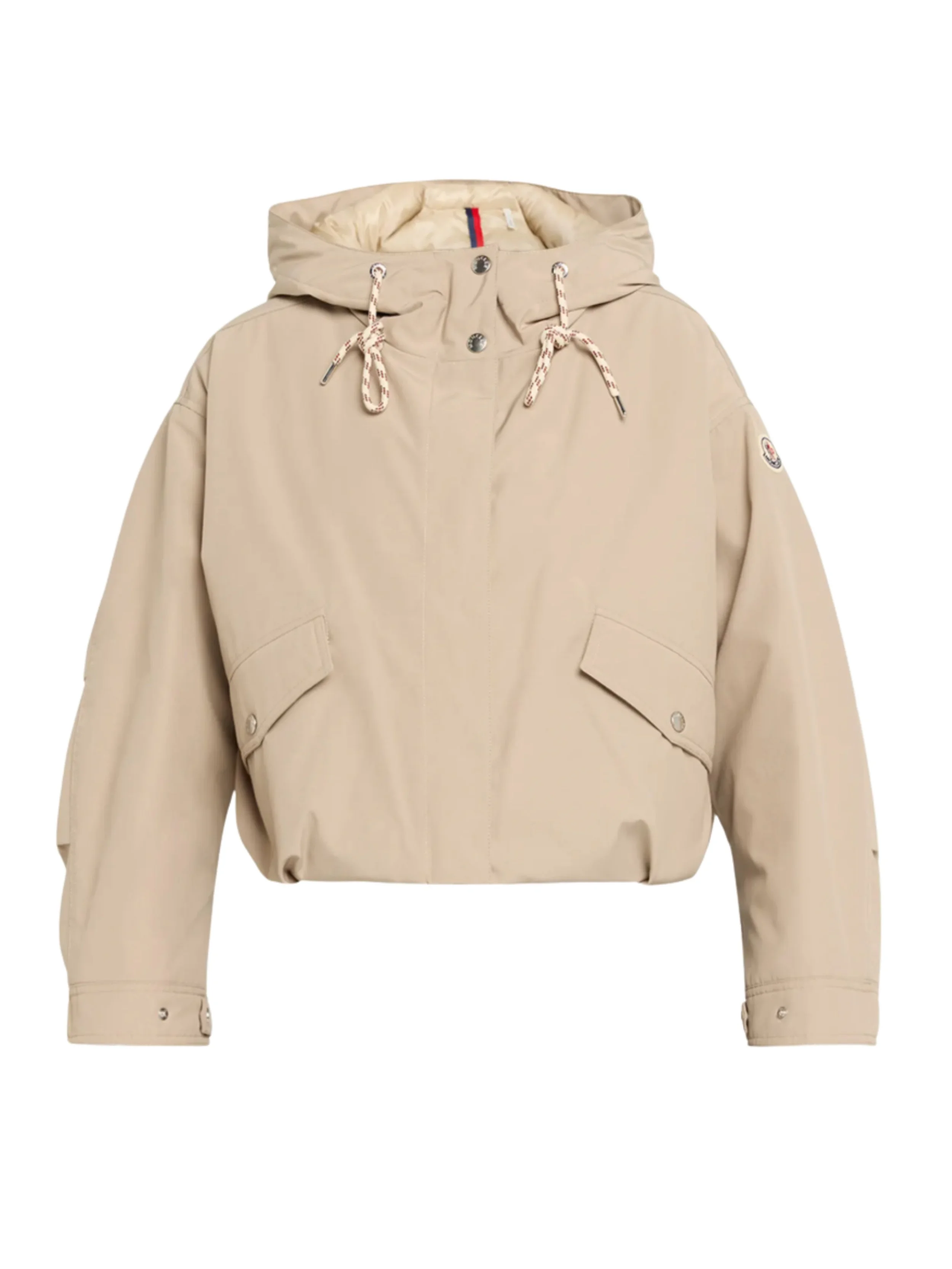
Cropped Bomber
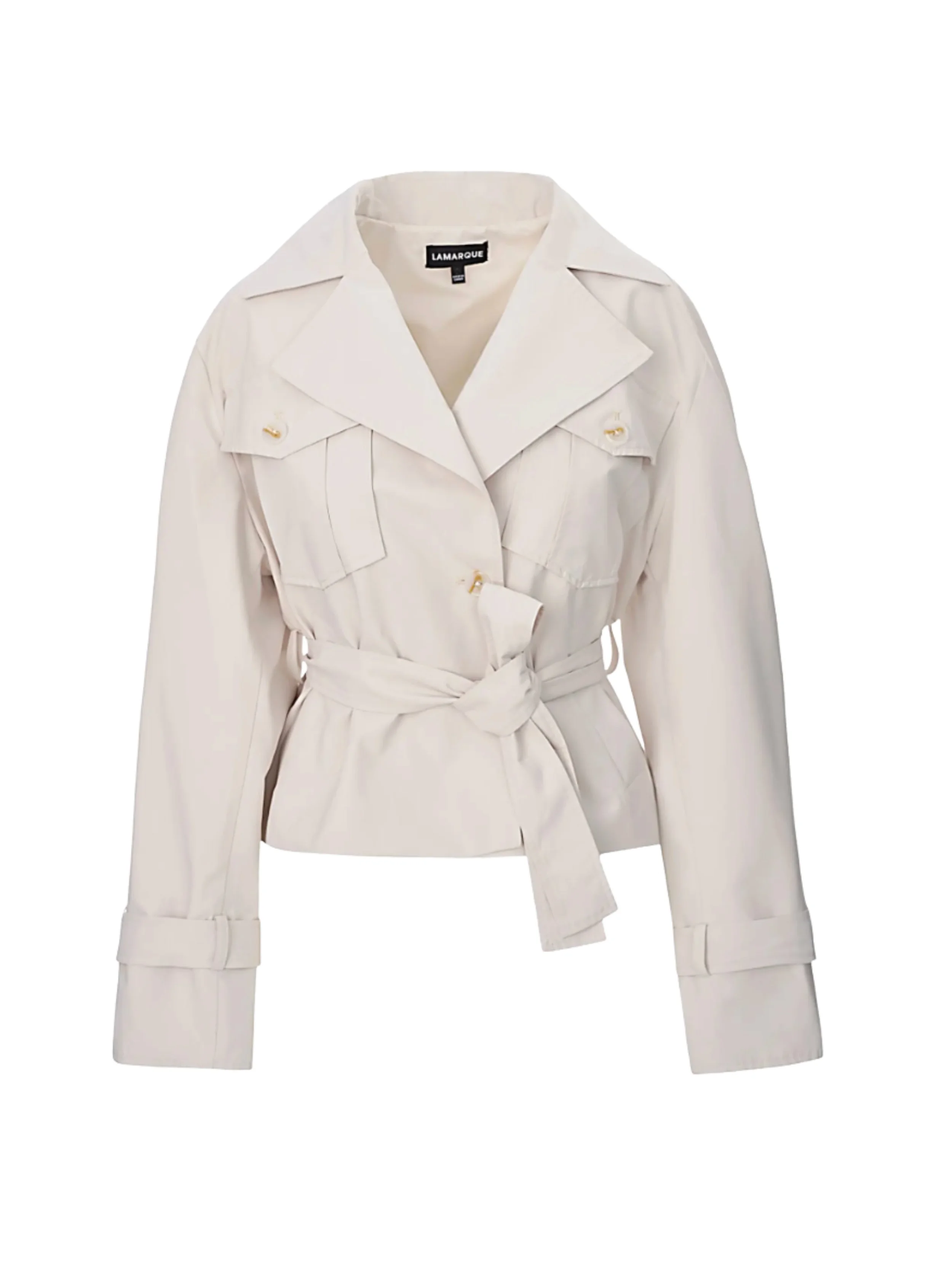
Self-tie belt Button-front closure Cropped
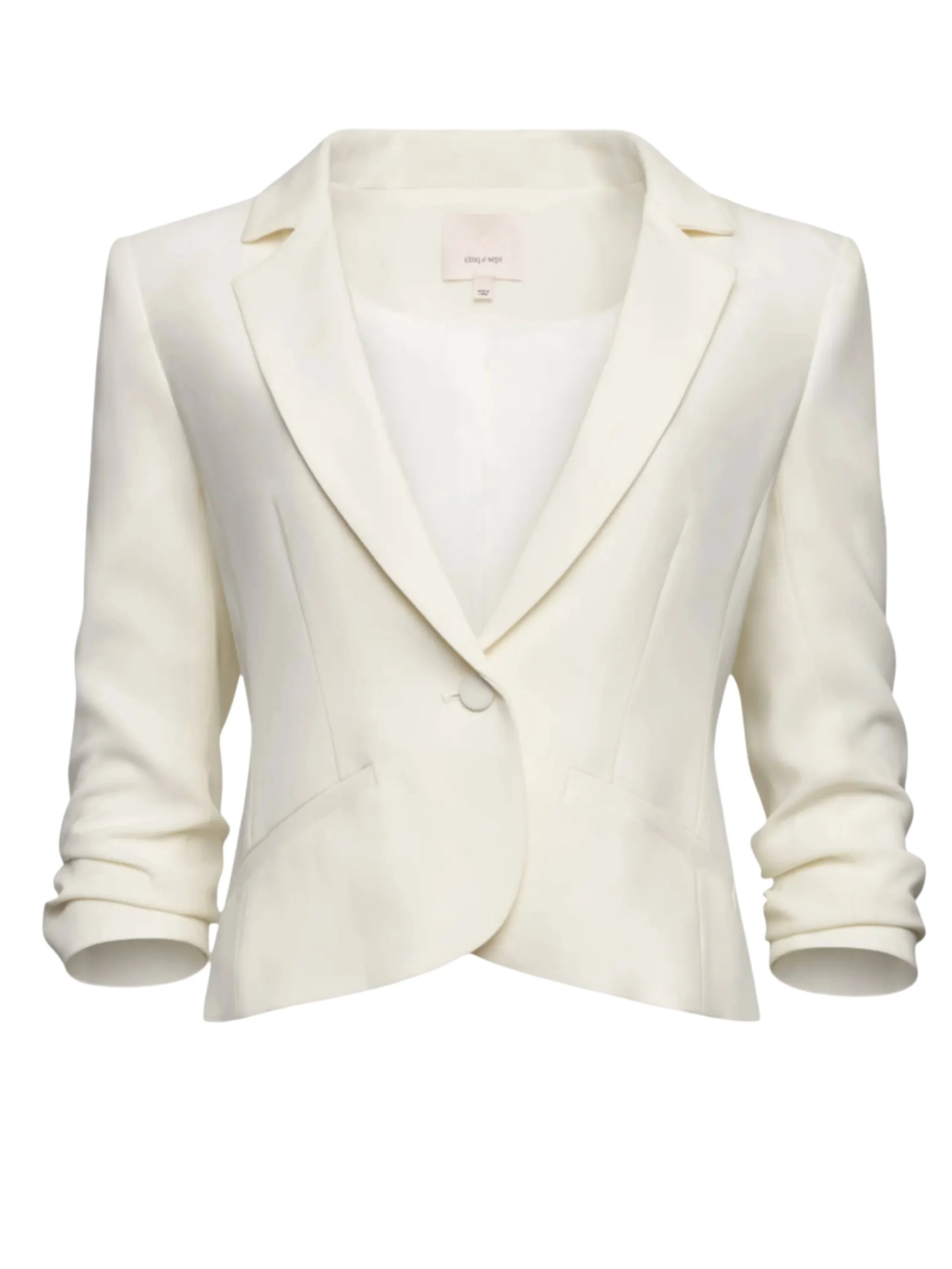
Cropped and curvy waist line
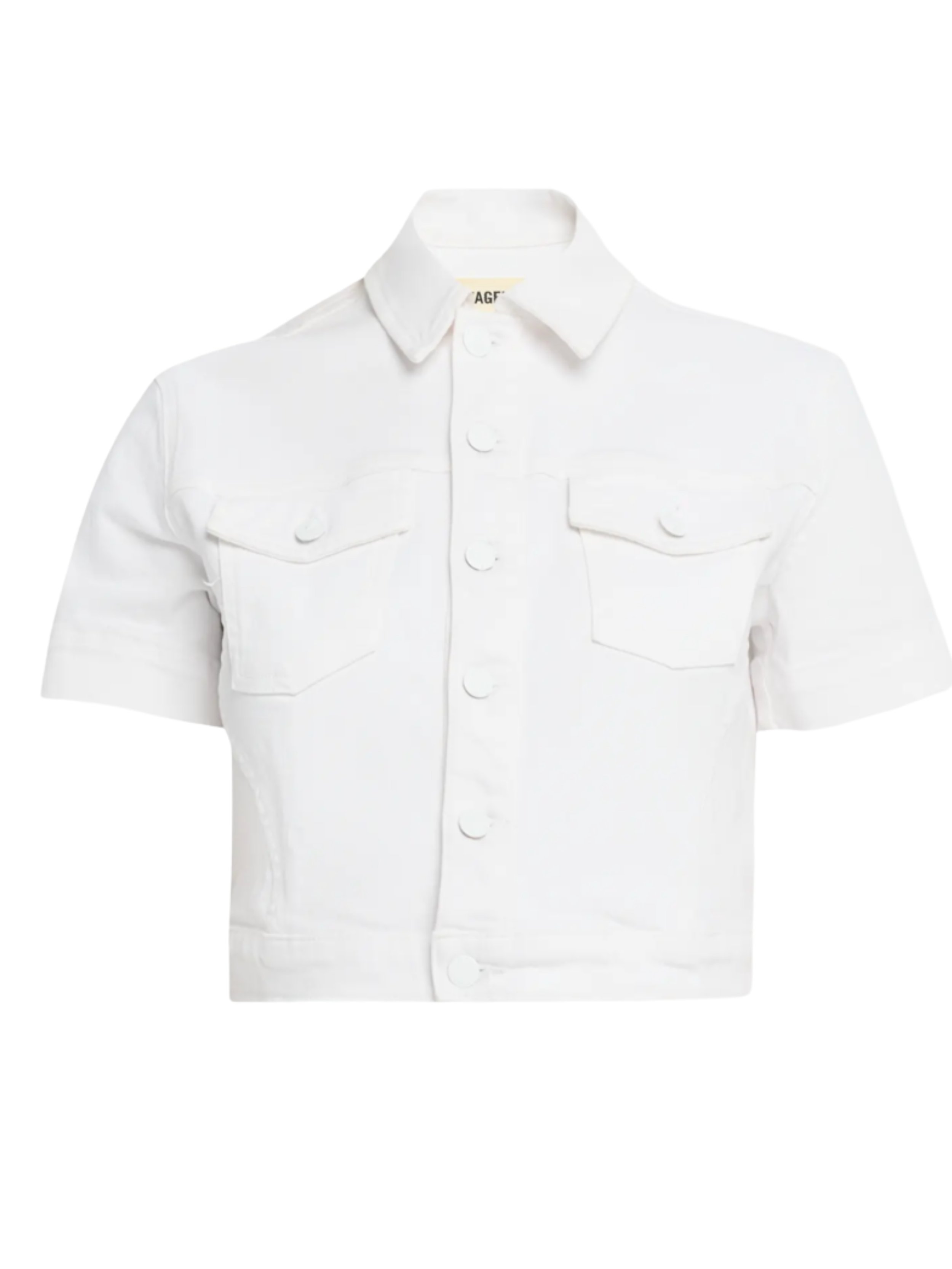
all details on upper body
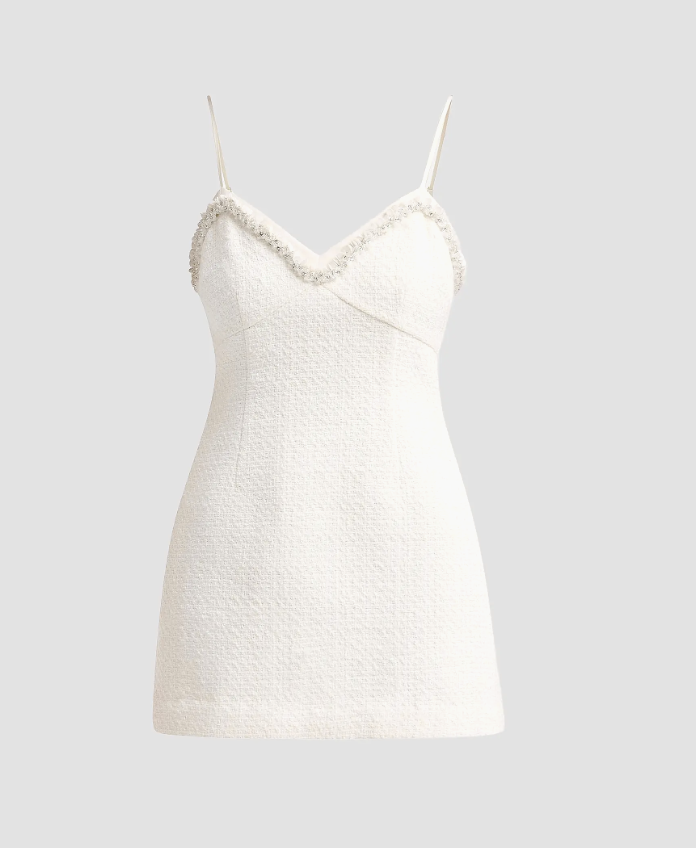
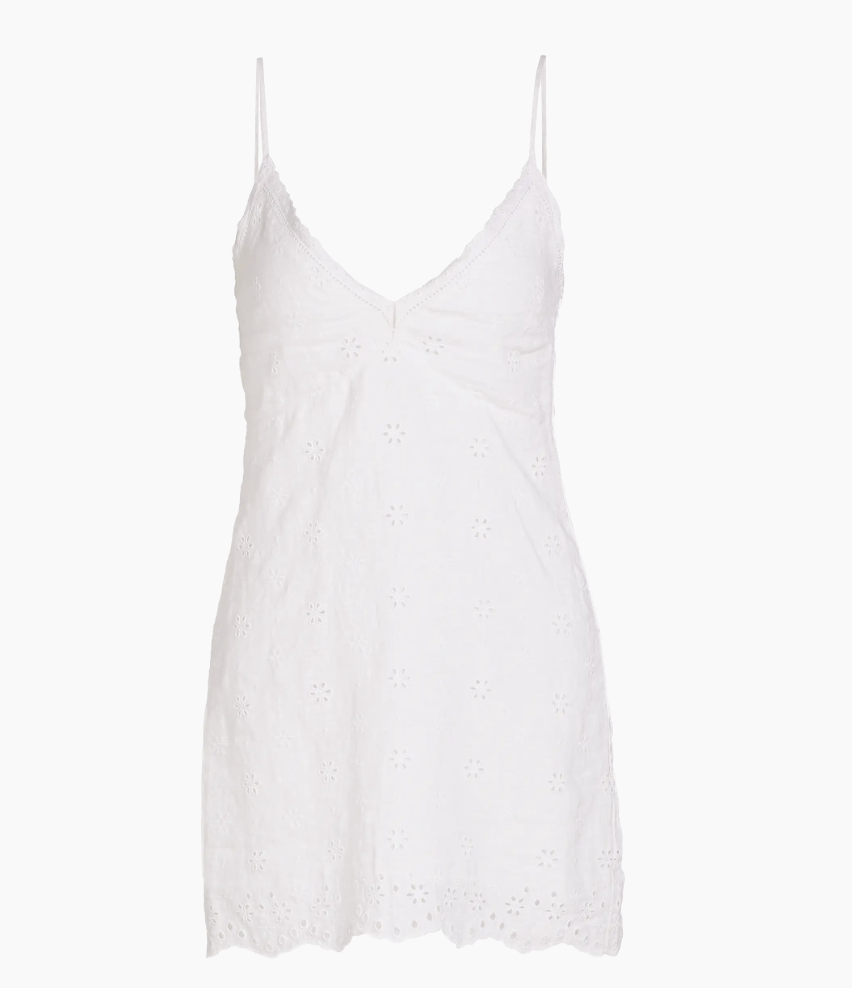
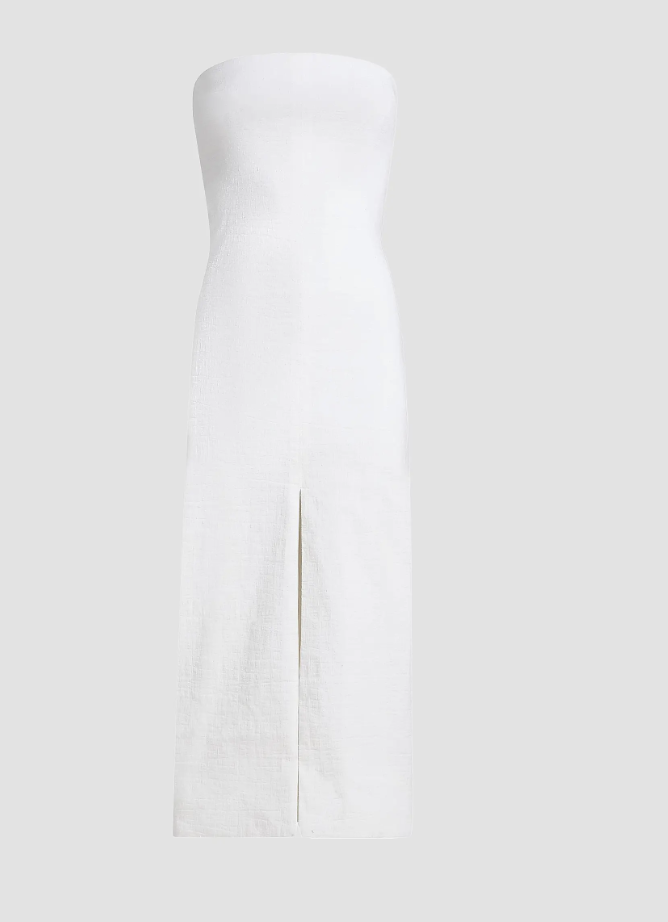
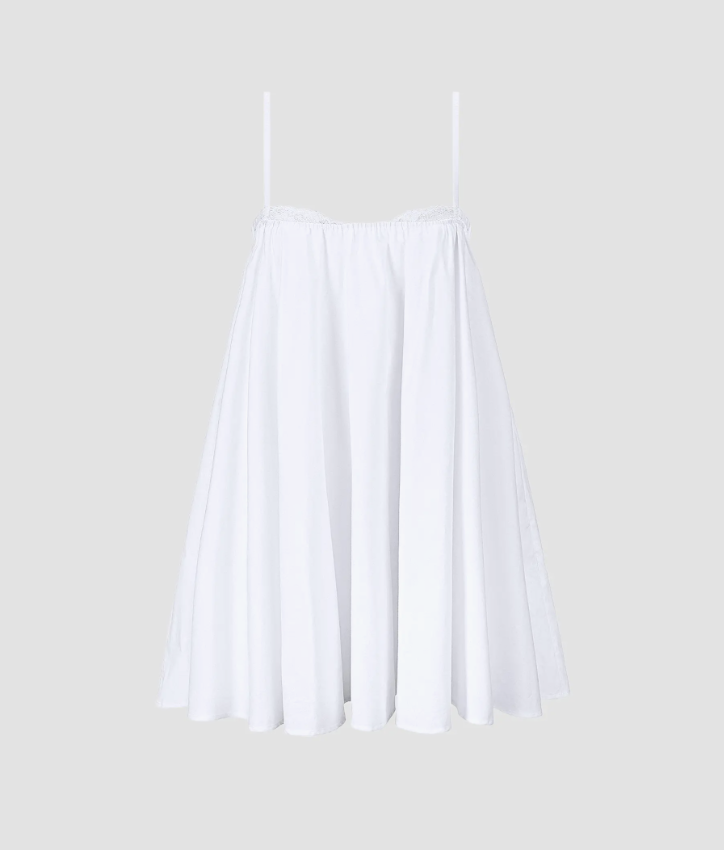
Rises - Fit
Rise & Fabric
High rise for all (mid rise may also fit as high)
Invest in clean lines and light to medium-weight fluid fabrics
Structured fabrics should contain some spandex or stretch for comfort and flexibility
Avoid overly stiff or restrictive materials
Fit Direction
Silhouettes should gently hug your curves while maintaining a refined shape
Avoid volume or visual details on the hip area; instead, keep details two palms bellow the hip line or above the waistline (the smallest part of the torso) to create balance
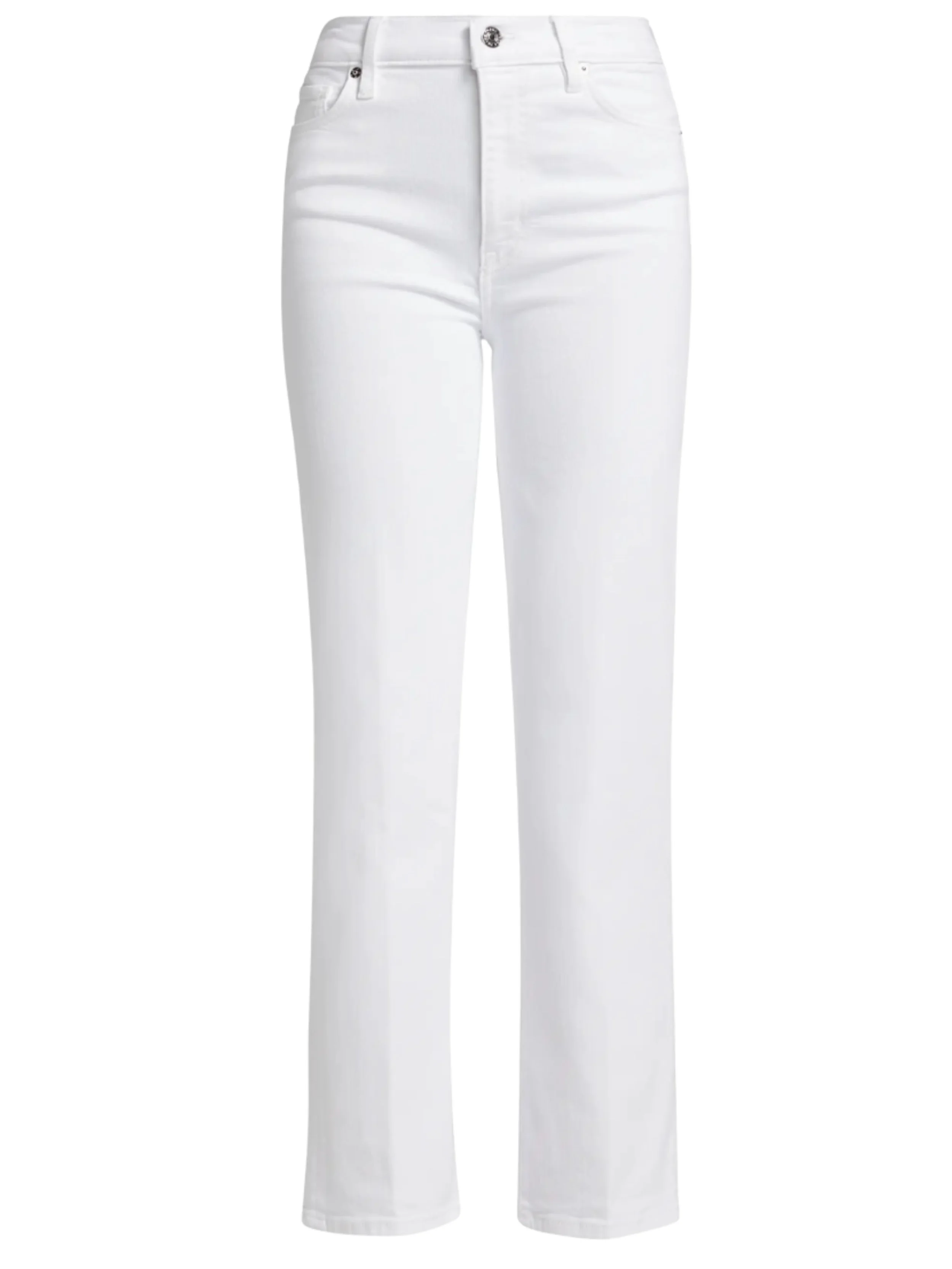
High rise Straight leg
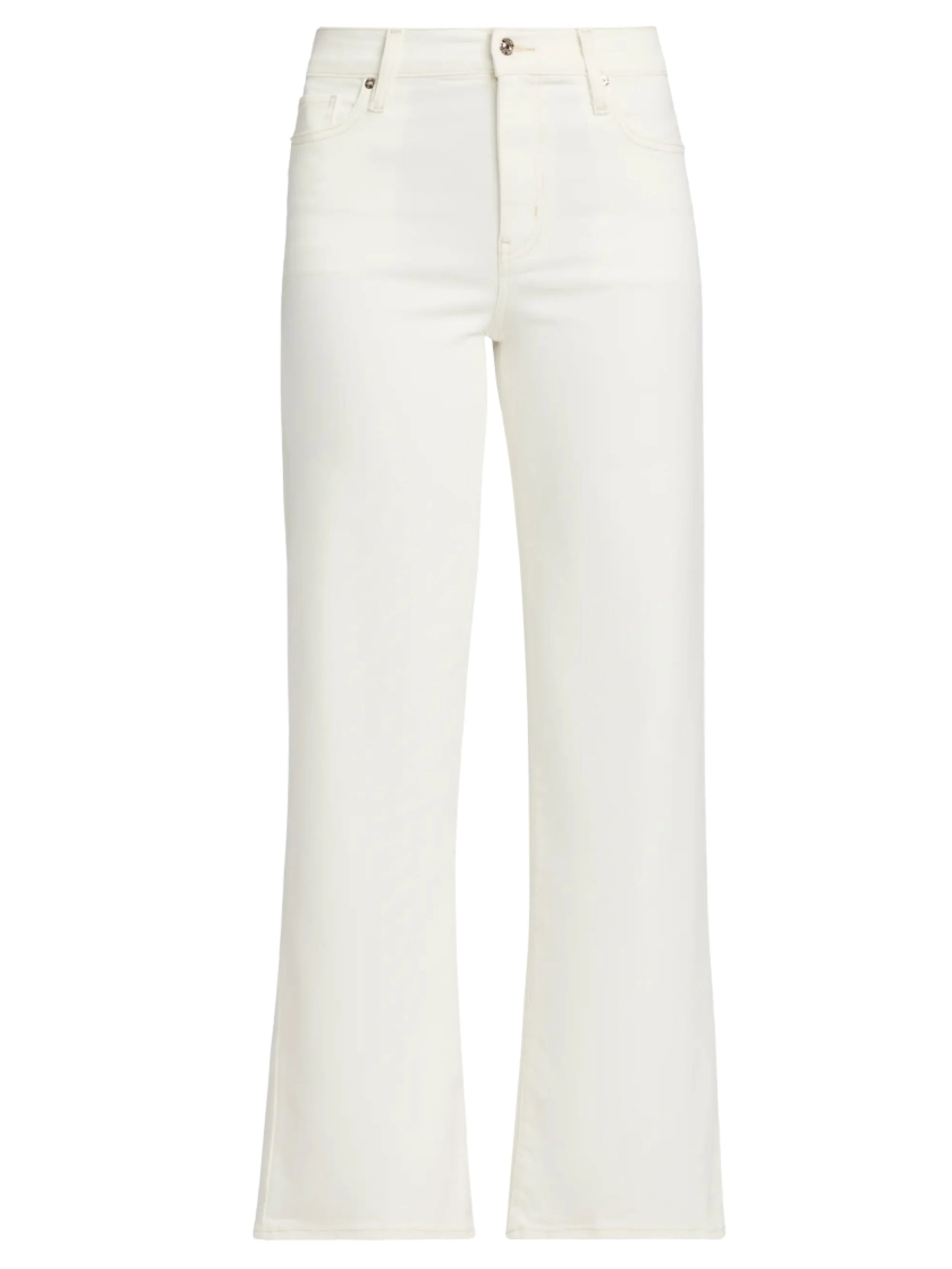
Right rise Boot Cut
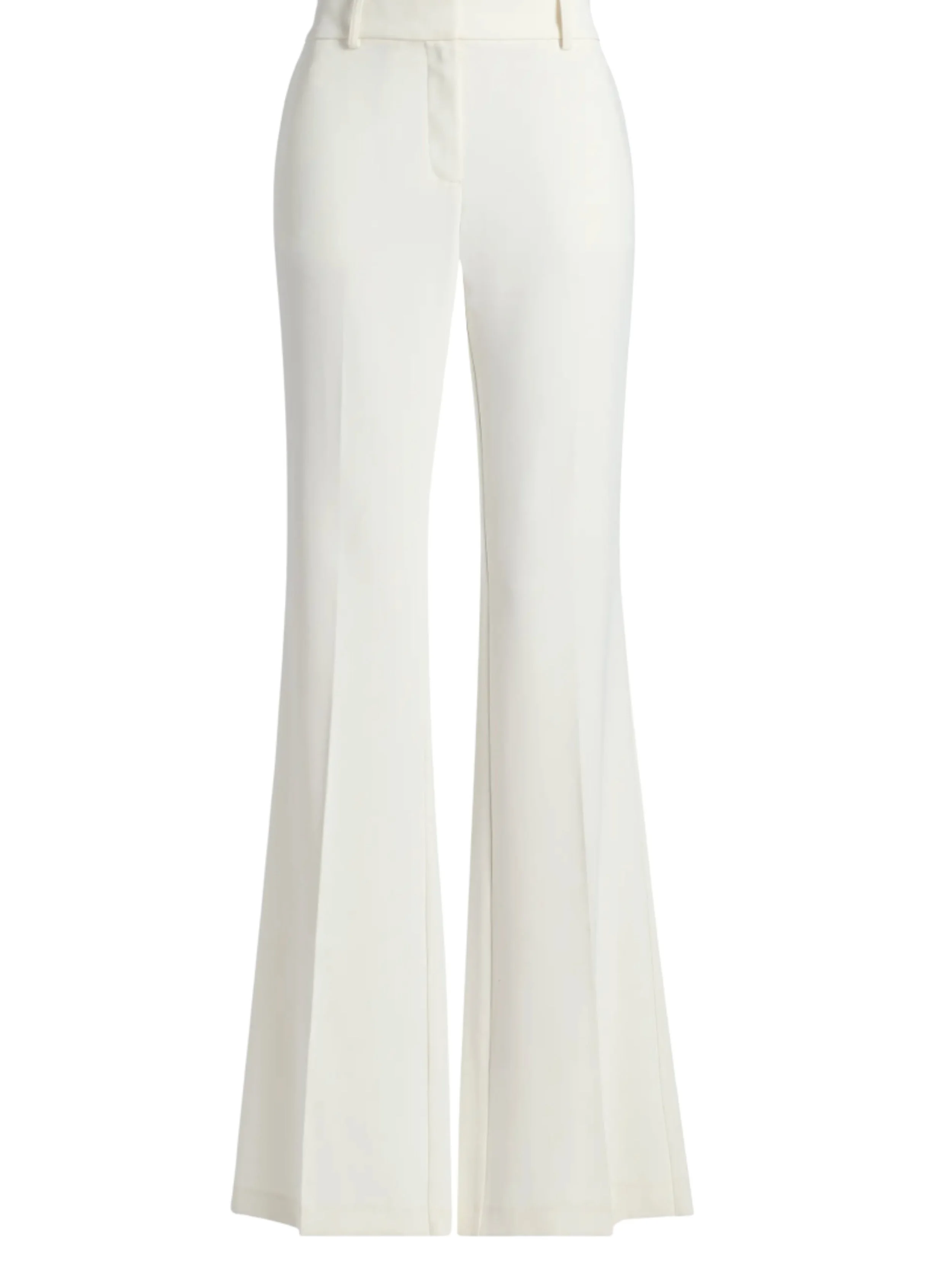
Bell Bottoms invisible pockets
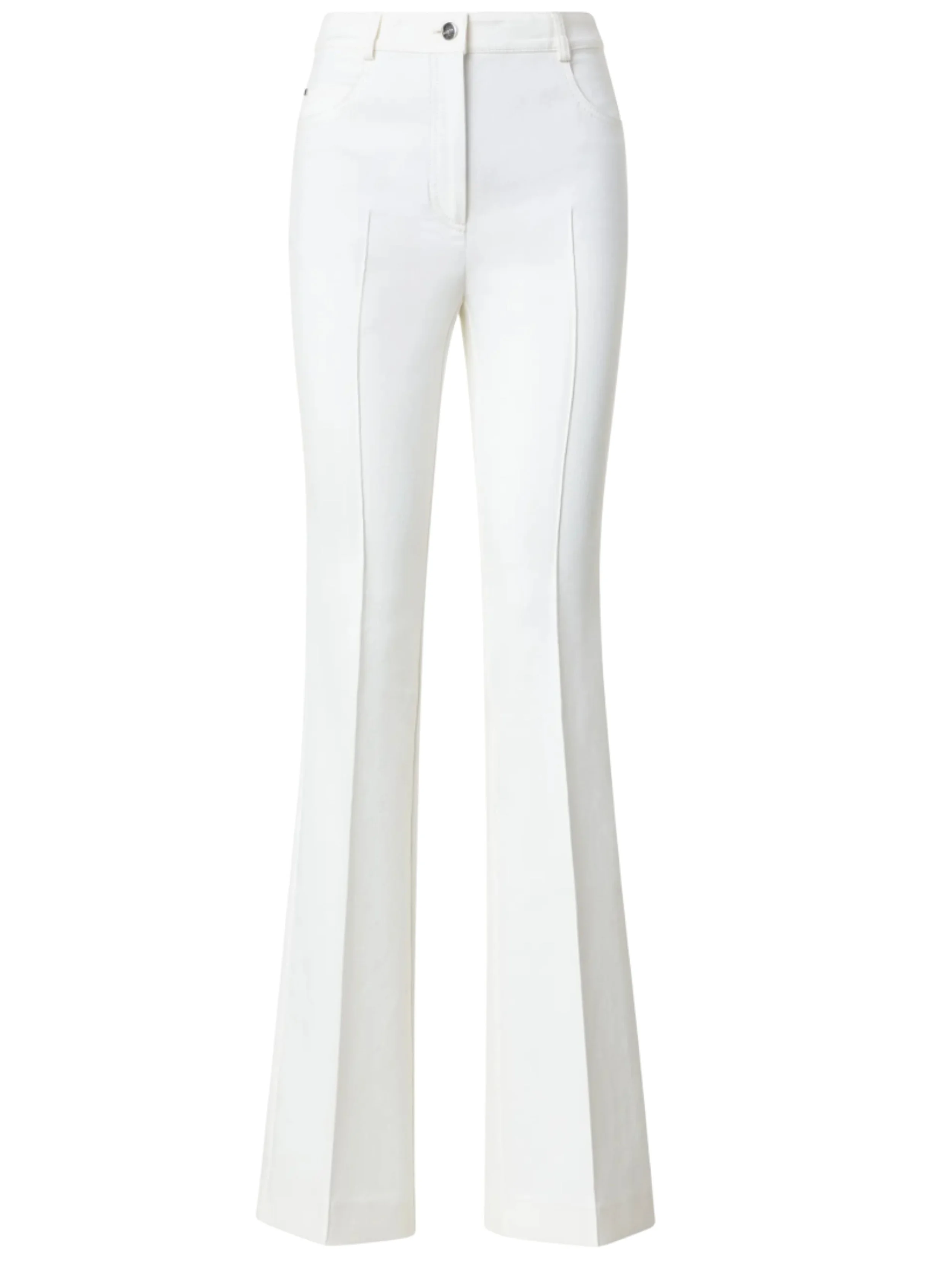
Farid bootcut
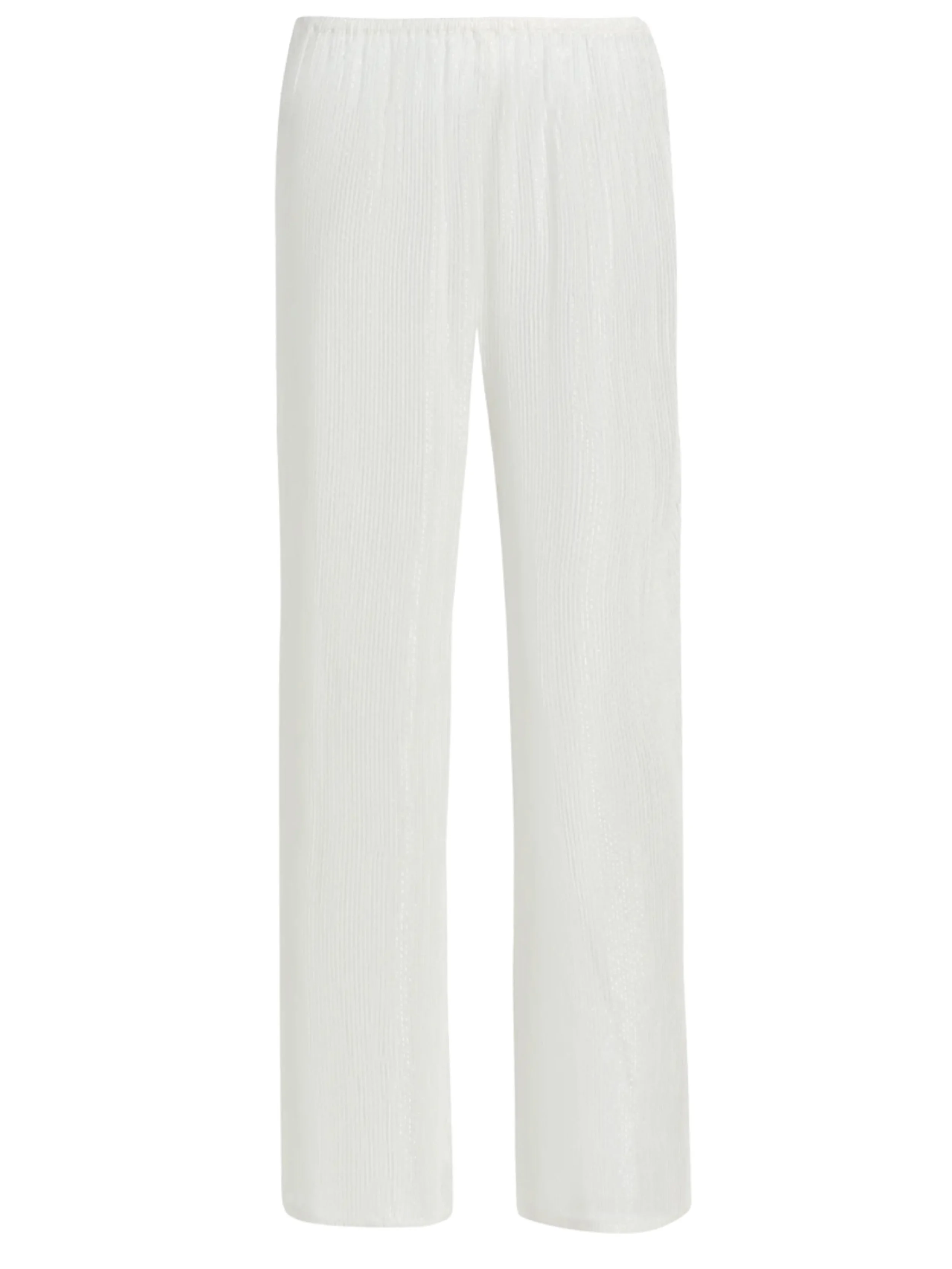
Elasticized waistband should always rug your hip not flare
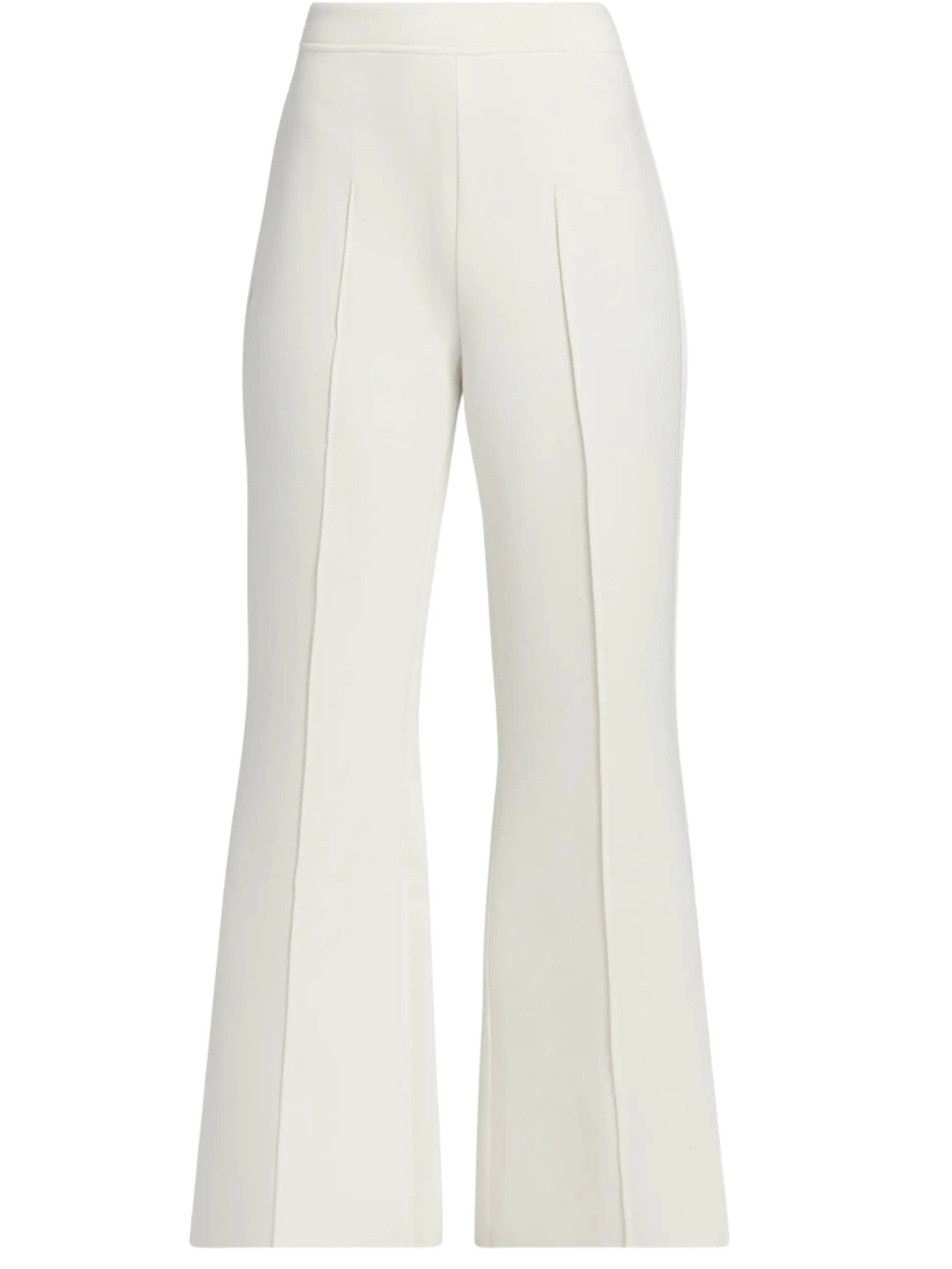
Elastic high waist Spandex
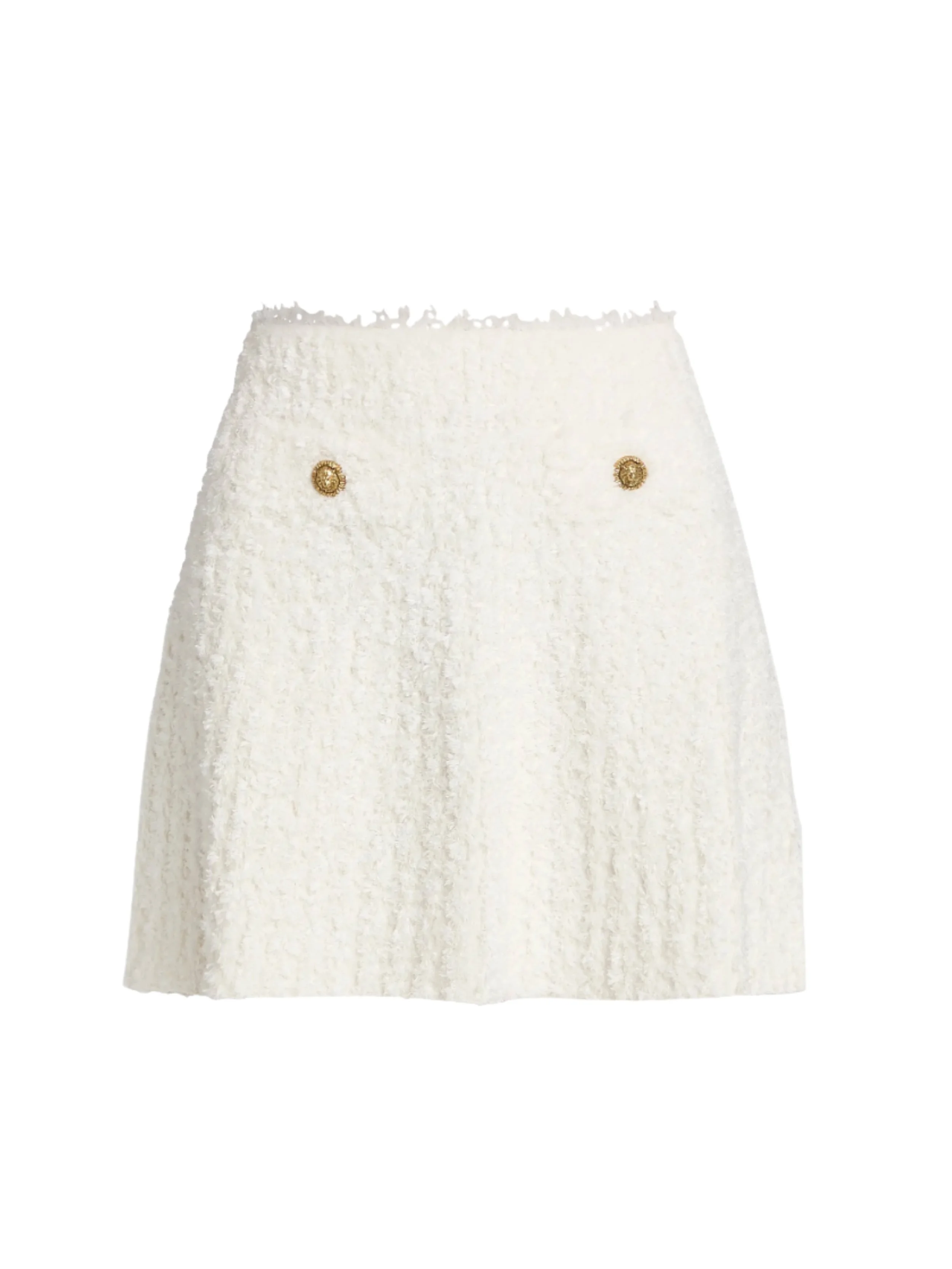
Loose fit with inward curves
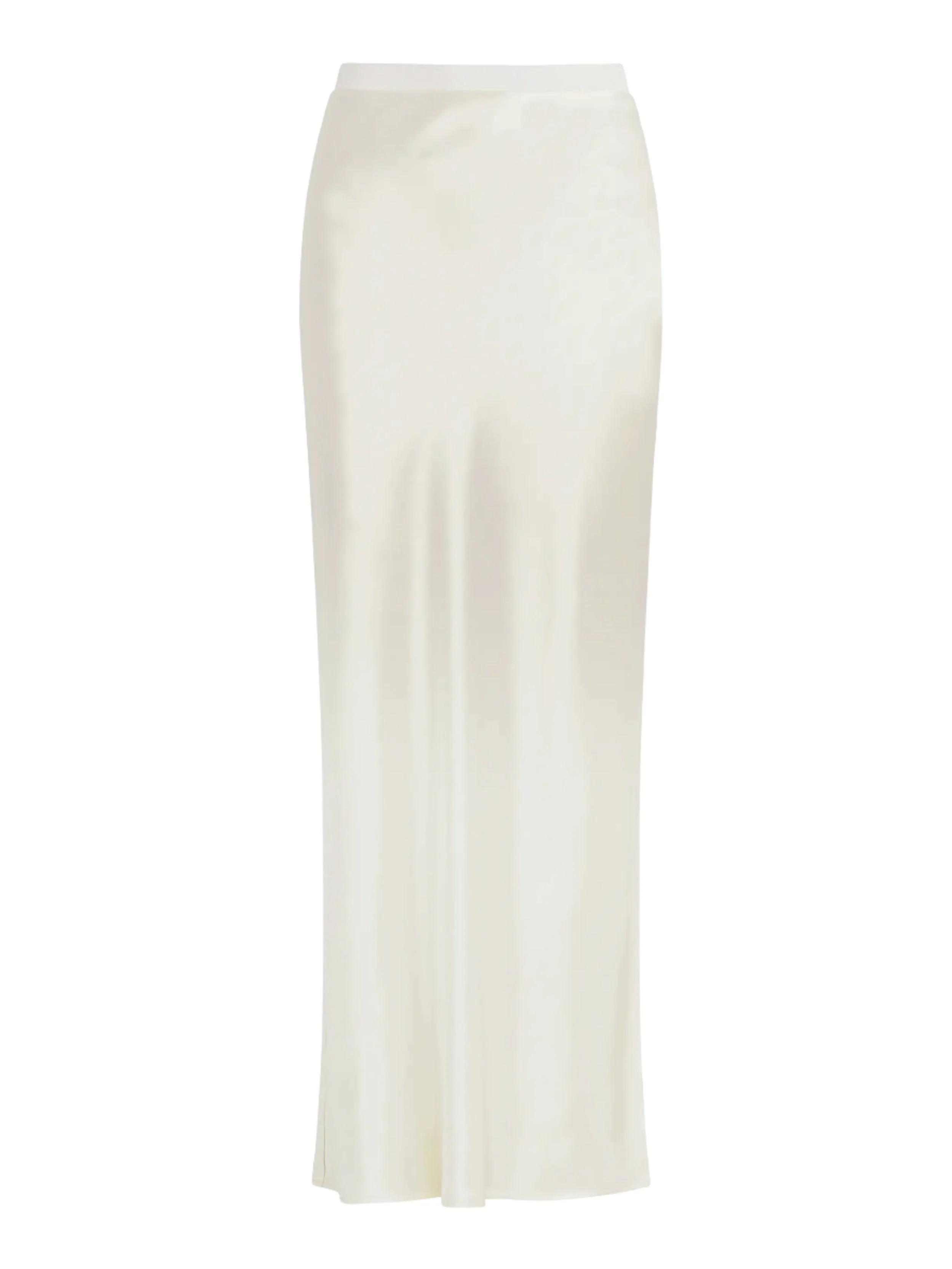
Silk cut on bias
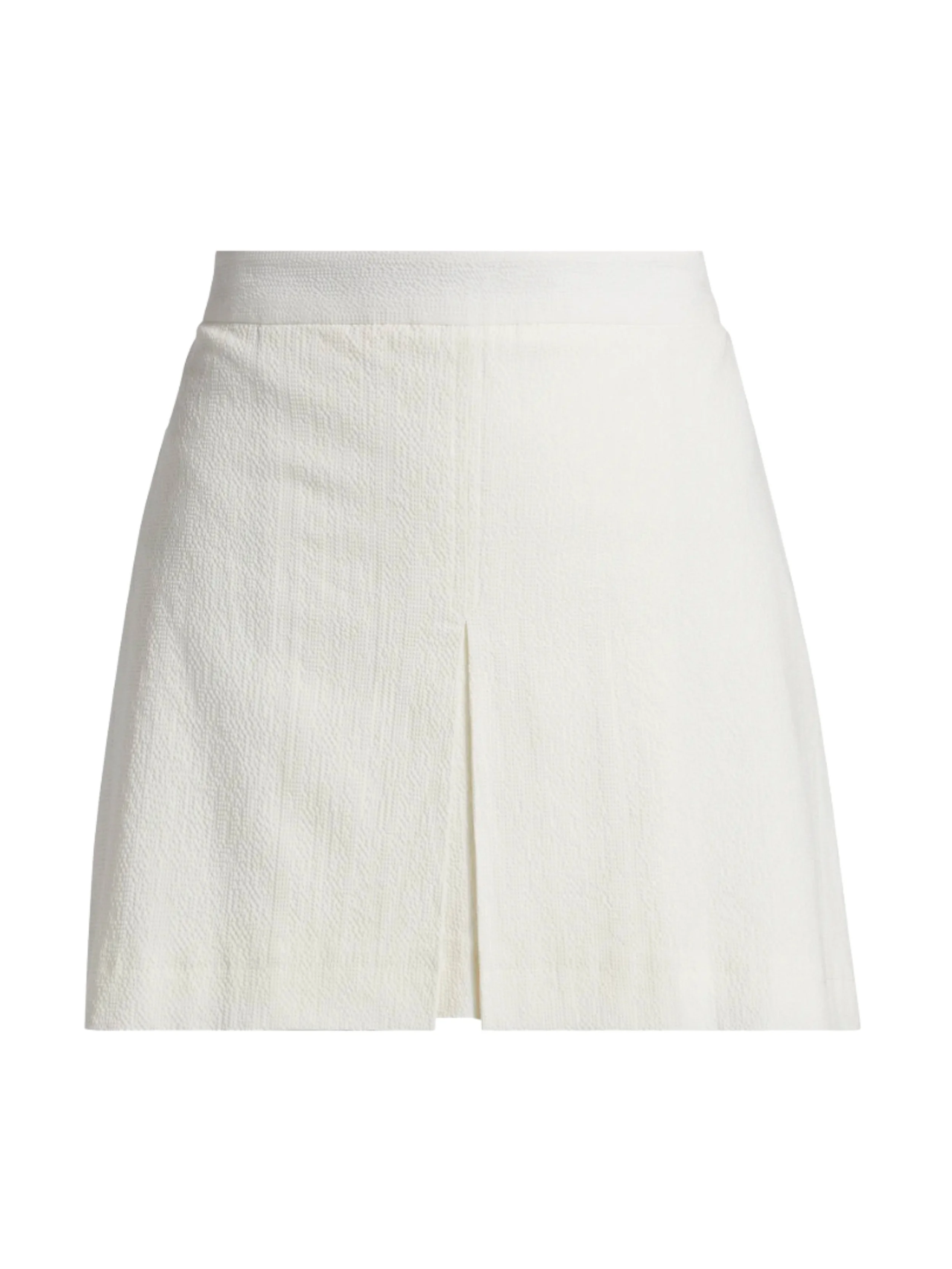
Front slit
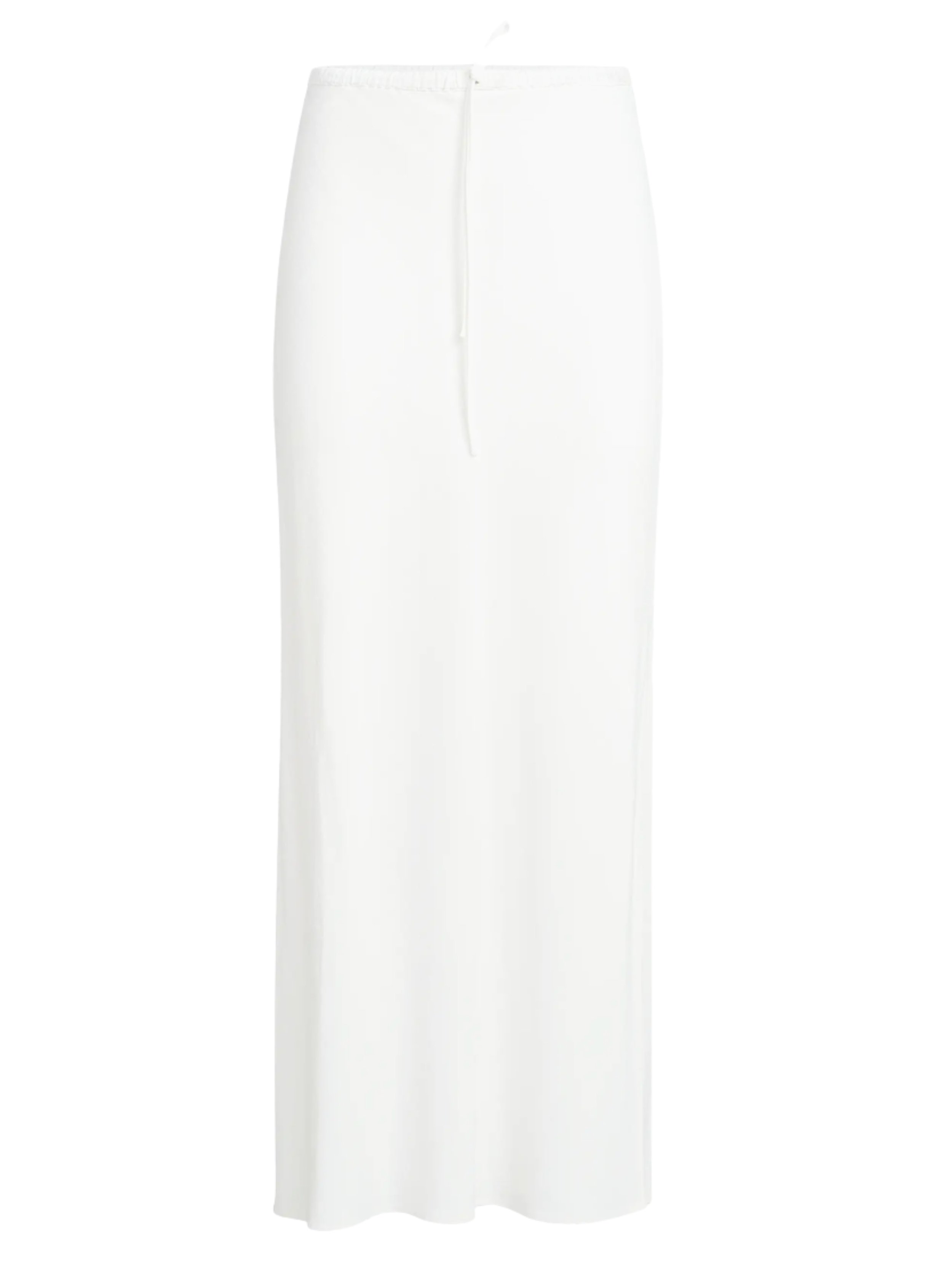
Waist drawstring
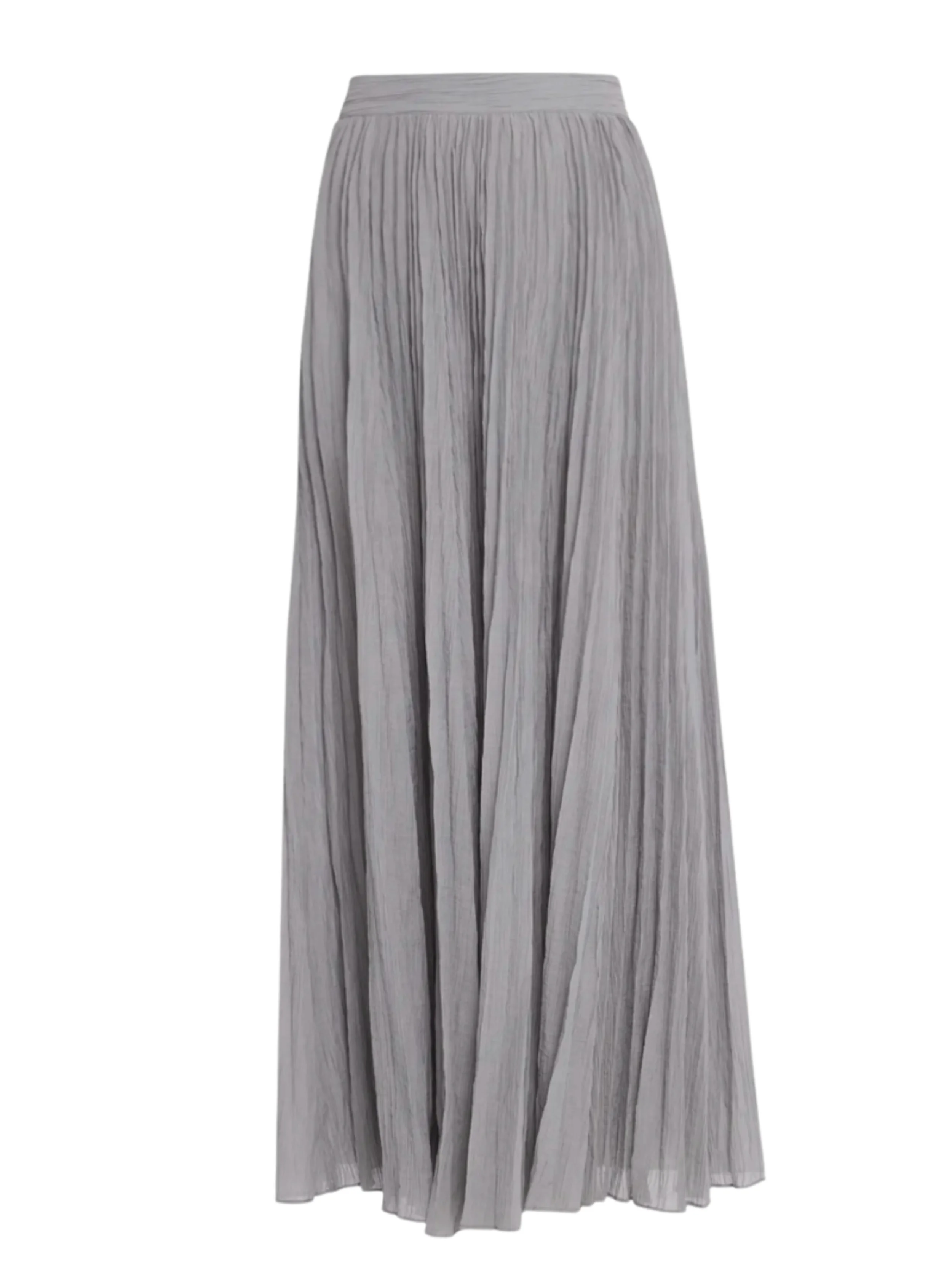
Small plisse Fabric must have weight to outline your hip
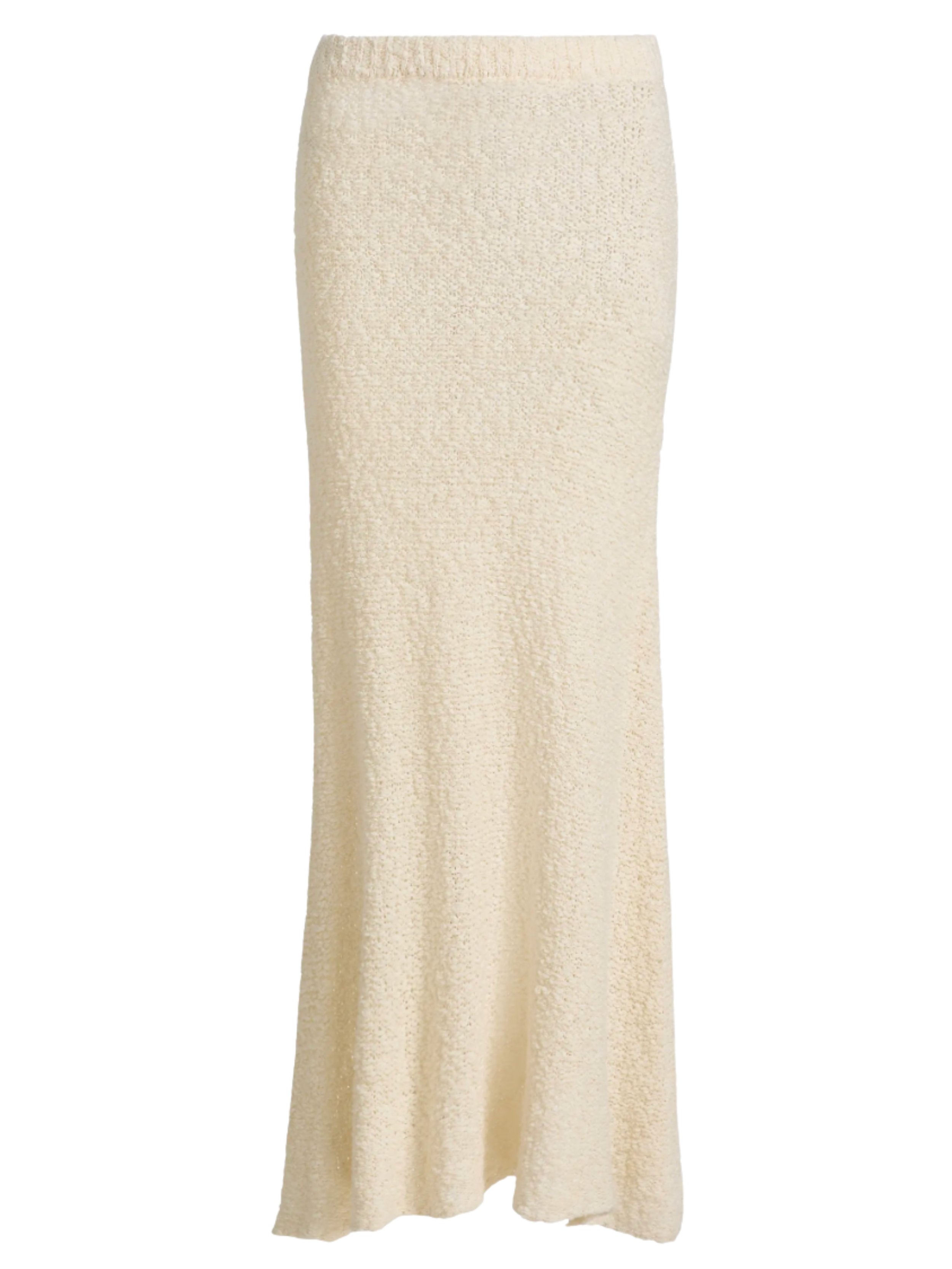
Handkerchief-style hem
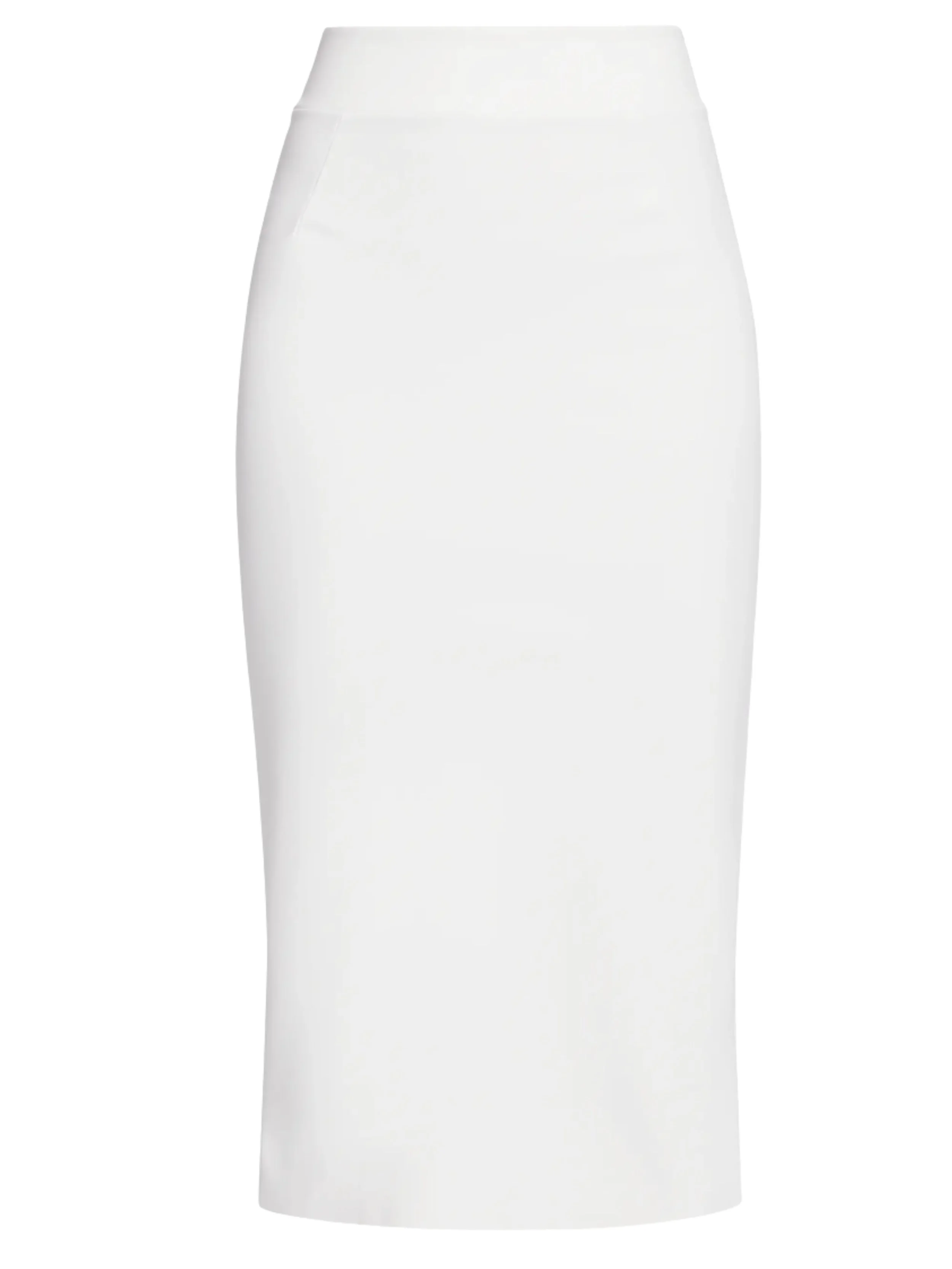
Slip skirt
As you move forward, remember that getting dressed is not about perfection — it is about alignment.
This blueprint was created to help you understand and honor your natural structure, allowing your image to reflect who you truly are with clarity, balance, and intention.
May your wardrobe become a place of ease, confidence, and self-expression.
A sanctuary that supports the woman you are today — and the one you are becoming.
With love,
Thays