
your Style Blueprint
This is your personal styling system. Every recommendation in this blueprint is tailored specifically to your body, proportions, and visual balance.
- Thays Vick
Understanding Your Body & Style Foundation
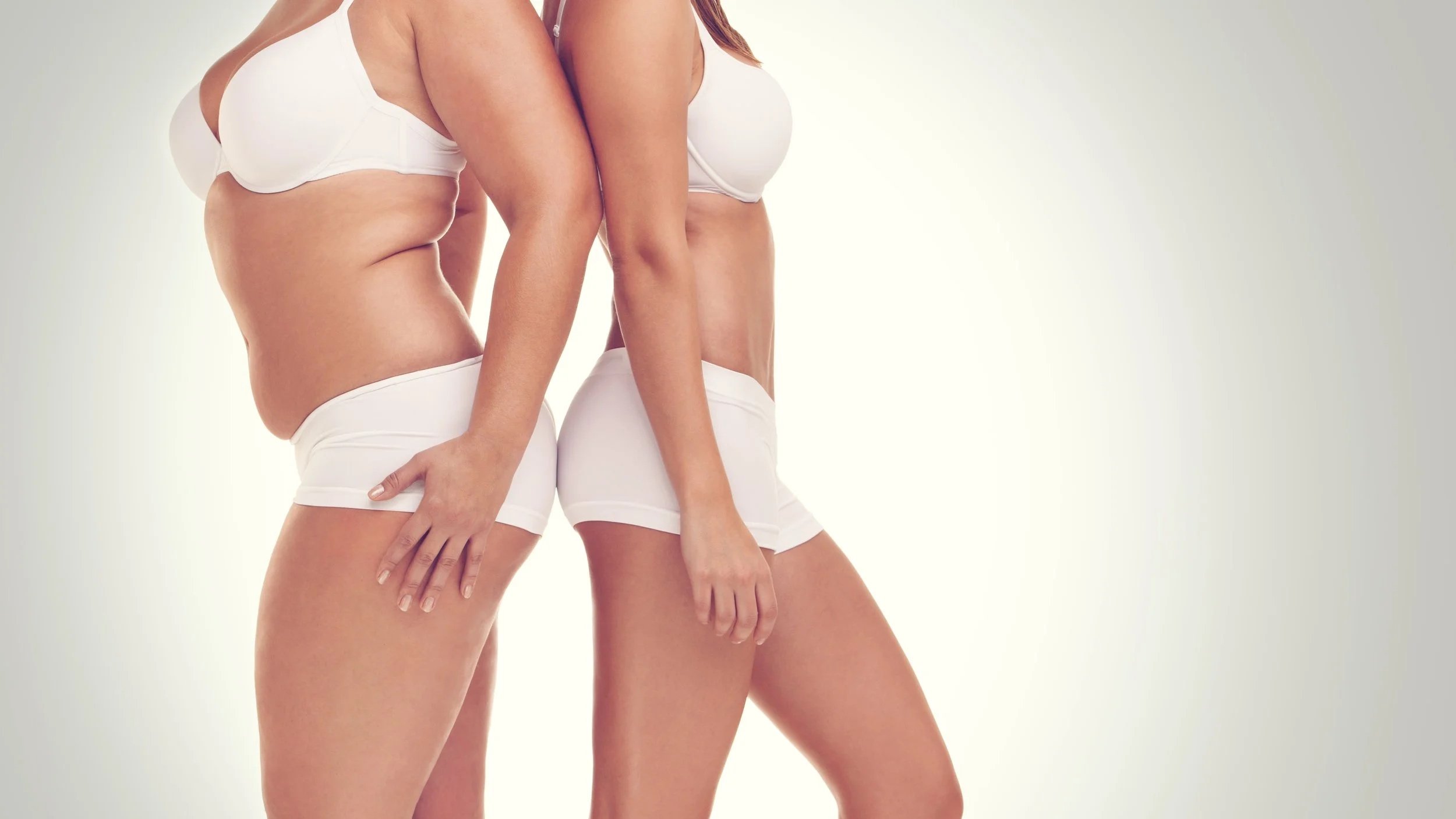
Our body shape is determined by our bone structure.
No matter how much weight you lose or gain, your body structure remains the same.
Because of this, every garment you choose must relate to your natural proportions—not trends.
What We Reviewed Together
Silhouettes
Necklines
Fabrics
Sleeves
Rises
Fit
Length proportions
Your Body Blueprint
Hour Glass
Curvy Bust
Curvy body lines
Standard shoulder
Elongated Upper body
Low hip
Petite
DEFINing STYLE
What Defines Your Styling Decisions
Body Scale → accessories, fabric weight
Body Structure → silhouettes & balance
Shoulders → necklines & cuts
Waistline → garment construction
Hip Line → rises & fit
Body Length → proportions of all garments
Body Lines → shapes, prints, accessories
Skin & Hair → texture + finish
Garment Guideline
This chapter contains your custom garment guidelines designed to help you filter every piece you wear.
Garments shape your body.
So do:
Undergarments
Shoes
Accessories
Even swimwear lines
This is not about trends.
It is about structure, fit, proportion, and balance.
Your clothing communicates before you speak.
Golden rules
LOWER BODY – Style Recommendations
Loose-Fit Silhouettes – Relaxed cuts that create comfort and ease of movement.
Flared Styles – Pants that gradually widen toward the hem.
A-Line Silhouettes – Bottoms that gently widen from the waist, creating balanced proportions.
Barrel-Leg Styles – Rounded silhouettes that add shape and dimension.
Fluid Fabrics – Soft, lightweight fabrics that drape naturally and create movement.
Fabrics with Drape – Materials that flow smoothly rather than cling or feel overly structured.
Side Pockets – Functional details that add interest and dimension to the lower body.
Straight Lines – Clean, elongated silhouettes that create a streamlined look.
Fitted Styles with Stretch – Pieces that follow the body's shape while providing comfortand flexibility.
Pleats – Details that add texture, volume, and visual interest.
Prints and Patterns – Incorporate prints to bring attention and personality to the lower body.
Mid-Rise to High-Rise Waistlines – Choose rises that complement the body's proportionsandwork well with the overall silhouette.
Fabric note: Look for fabrics with softness, flexibility, and enough structure to hold their shapewhileallowing natural movement.
UPPER BODY – Style Recommendations
1. Tennis Necklaces – Delicate, elegant necklaces that draw attention to the neckline and collarbone.
2. Avoid Shoulder Details and Padding – Stay away from shoulder embellishments, structuredpadding,puff sleeves, or added volume around the shoulders.
3. Clean-Cut Designs – Opt for simple, streamlined silhouettes with minimal detailing.
4. Fluid Fabrics – Choose soft fabrics that drape naturally and move with the body.
5. Bias-Cut Fabrics – Garments cut on the bias create a softer drape and follow the body'snatural curves.
6. Halter Necklines – Open shoulder
7. Dropped Shoulders – Relaxed shoulder seams that create a softer, less structured appearance.
8. Fitted Tops + Flowing Bottoms – Pair fitted upper-body pieces with fluid bottoms tocreatebalanced proportions.
9. Upper Garment Length – The longest recommended length for tops, jackets, and sweatersshouldfall approximately one palm above the hip bone.
10. Cropped Tops + A-Line Bottoms – Combine shorter tops with A-line silhouettes to createvisualbalance and emphasize proportions.
11. Curved and Angular Cuts – Incorporate both soft, curved lines and sharper geometric shapes for visual interest and dimension.
Overall styling direction: Keep the upper body clean, fluid, and relatively free of added volume, while using interesting cuts, necklines, and fabric movement to create visual interest.
KEY STYLE TIPS
1. Avoid Shoulder Volume – Keep the shoulder area clean and streamlined. Avoid excessive padding,puffsleeves, and bulky details.
2. Mid-Rise to High-Rise Bottoms – Choose waistlines that complement your natural proportionsandcreate a balanced silhouette.
3. Mid-Torso Details – Incorporate thoughtful details around the midsection to create visual interestandenhance proportions.
4. Define the Natural Waistline – Highlight the smallest part of the waist using belts, fitted details,waistseams, or strategic tucking.
5. Bottoms Should Hit the Widest Part of the Leg – Pay attention to hem placement and chooselengthsthat complement the widest point of your legs.
6. Chunky Shoes – Opt for footwear with a stronger visual presence to create balance andcomplementthe overall silhouette.
7. Shoes with Details – Choose shoes with interesting straps, textures, embellishments,ordesign elements.
8. Long Necklaces + Tennis Necklaces – Use different necklace lengths to draw attention to thenecklineand create vertical lines.
9. Bracelets – Incorporate bracelets to add subtle detail and accessorize the overall look.
10. Add Details to the Lower Body – Use prints, textures, pleats, pockets, and interesting designelementsto create visual interest.
11. Keep the Upper Body Minimal – Avoid excessive prints, decorative pockets, embellishments,andunnecessary details around the shoulders and upper torso.
12. A-Line Silhouettes from the Waist Down – Choose skirts, dresses, and pants that gradually flare from the waist to create movement and emphasize the waistline.
13. Invest in Monochromatic Looks – Wear different shades, tones, and textures within the samecolorfamily to create a cohesive, sophisticated look. Monochromatic outfits help create a continuous visual line and an elongated silhouette.
Overall styling direction: Define the waist, keep the shoulders streamlined, and use interestingdetails,textures, and volume below the waist to create a harmonious silhouette.
BALANCE POINT
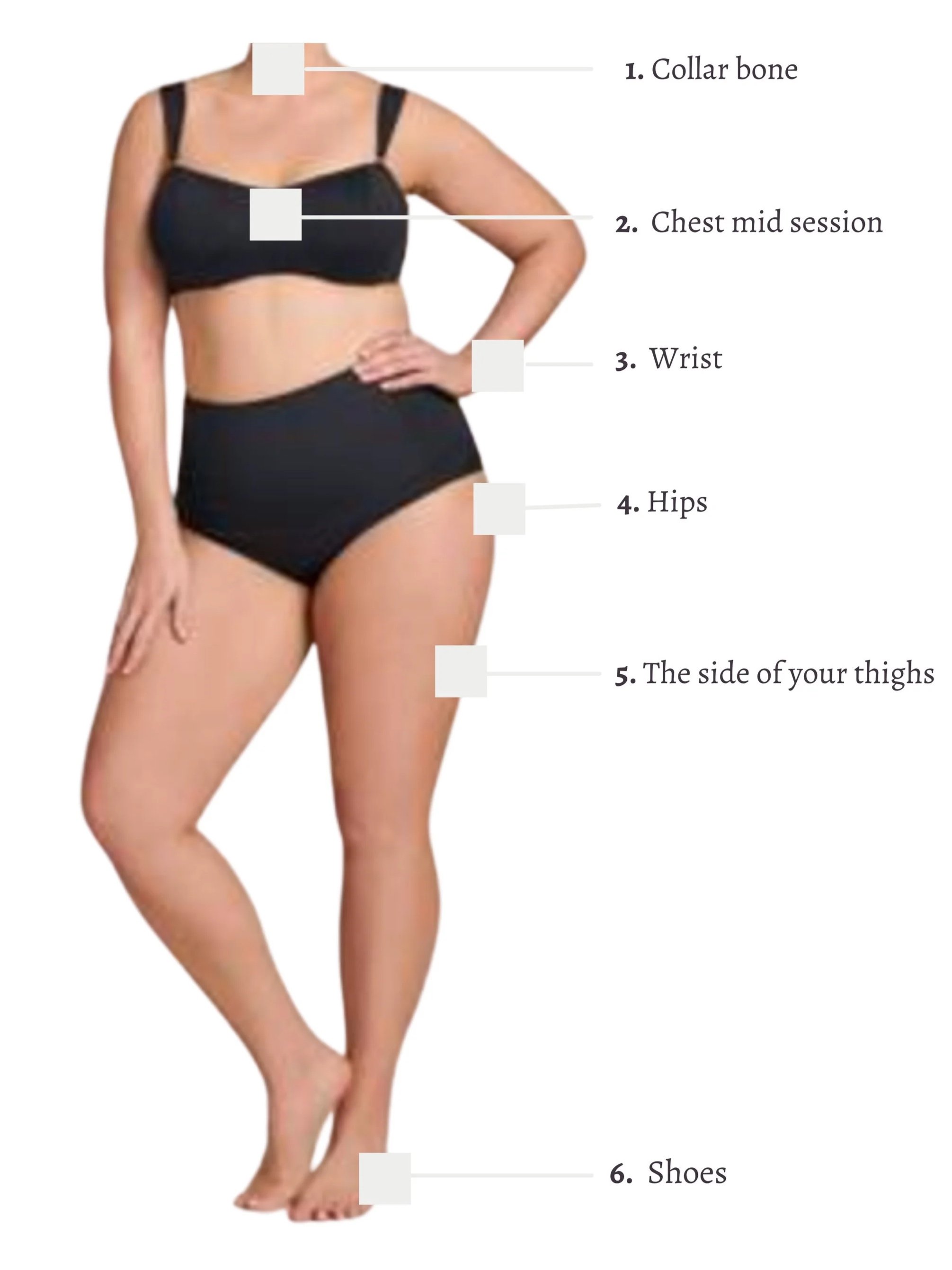
Strategy
Focus your visual weight on:
Hip area
Wrist
Balance body structure
By adding details to your balance points:
Pockets
Pleats
Prints
Bags
Accessories
Fun shoes (avoid ankle straps)
lengh proportion
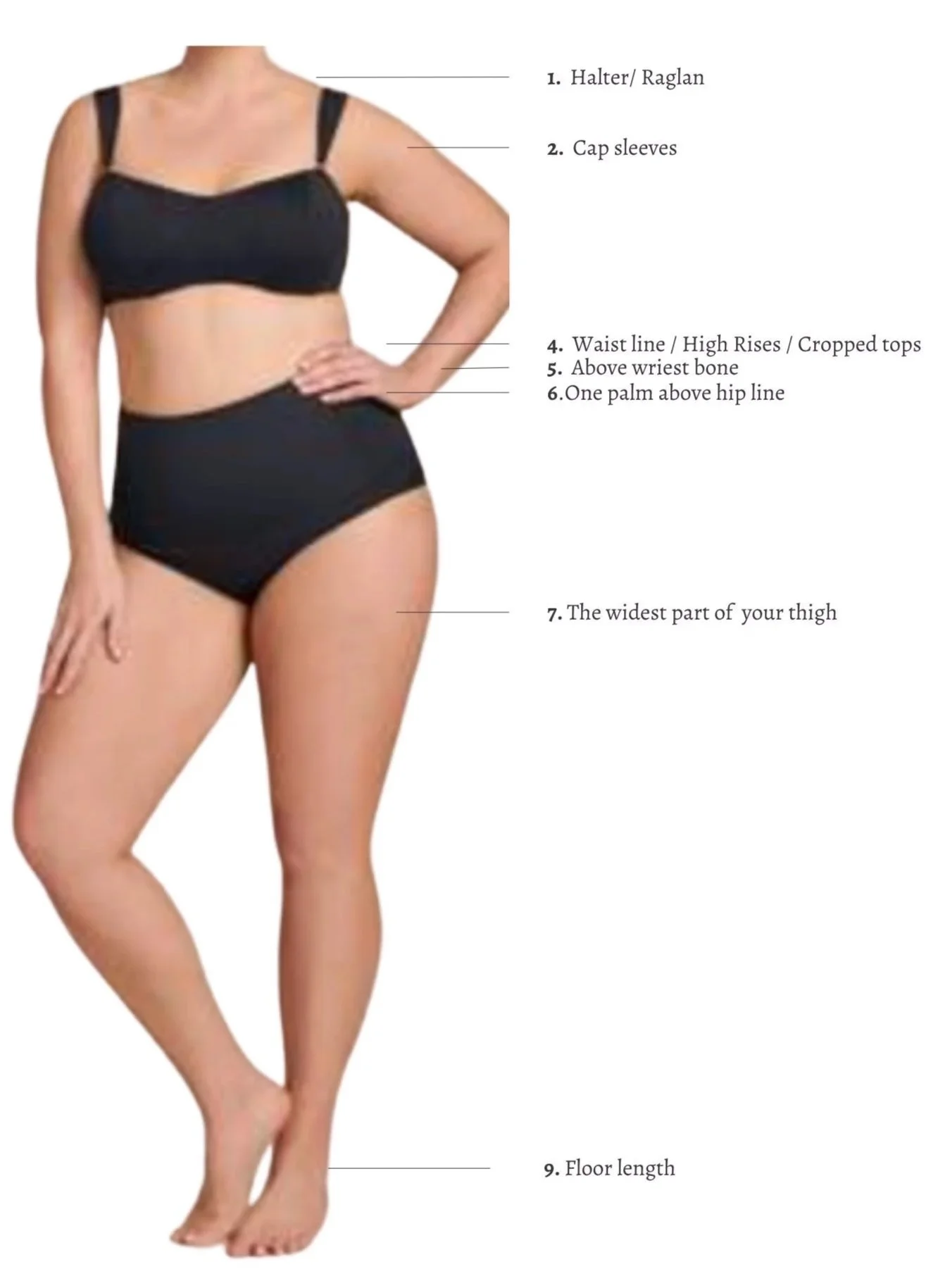
Strategy
Upper Body
Avoid volume
Roll up sleeves T-shirts
Pull up loose fit sleeves
Fitted Sleeve
Sleeves above wrist bone
Empire waist line
Top length palm above hip
Lower Body
Mid to high Rise
Mini skirts
Calf length (match shoes color)
Floor length
Inside Lines — Garment Architecture
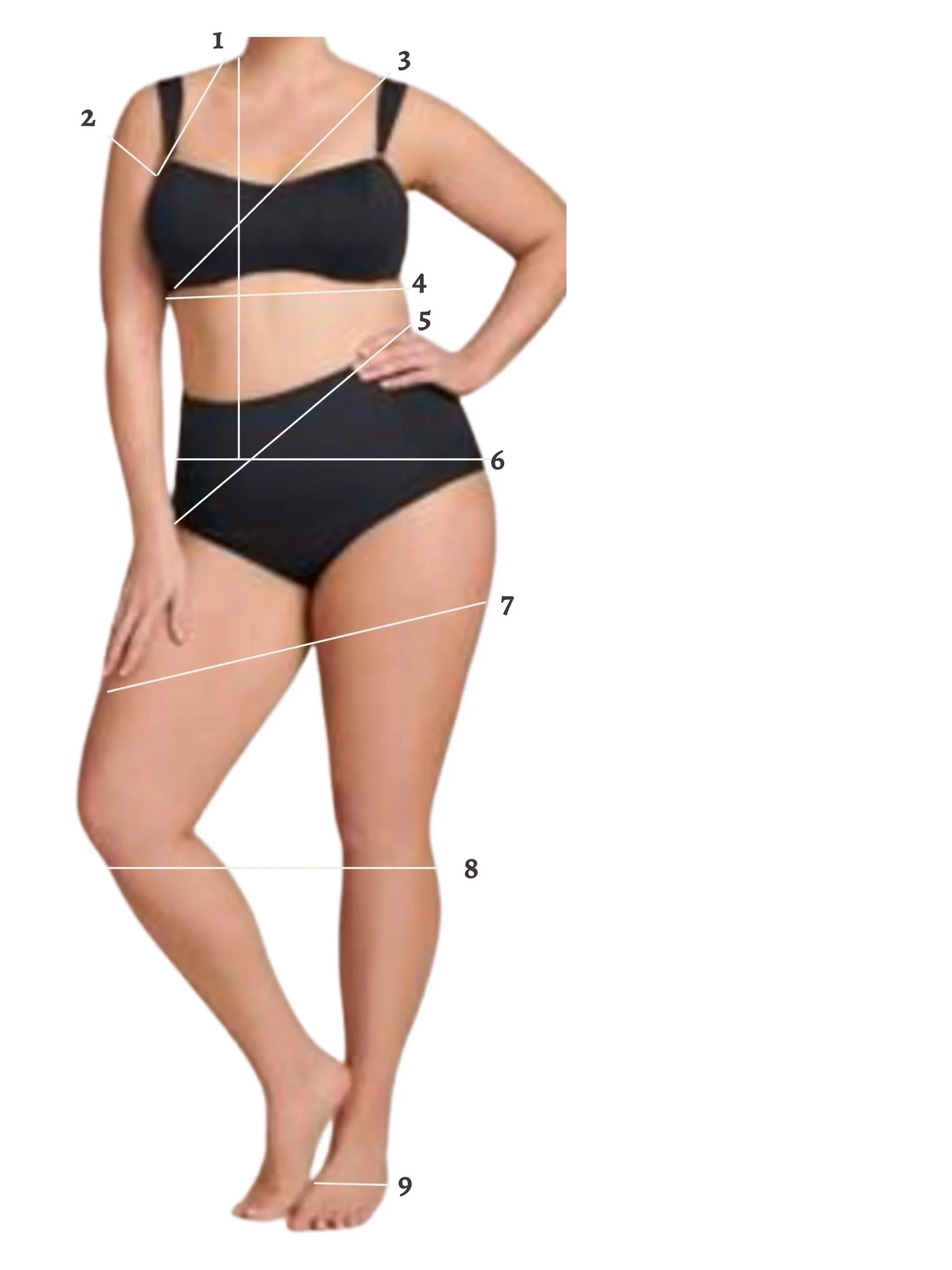
Strategy
Keep your lines straight as far as lapels, pockets, waist lines.
Halter tops/ Raglan Cut, Vertical lines (Cardigans, Blazers, button downs)
Cap sleeves/Roll ups
Angular, asymmetric lines
Empire waist line (always enhance the smallest part of your waist) Cropped tops best paired with A line bottoms, or applied in full monochromatic looks)
Angular Cuts
Horizontal cuts a plan above hip line (tops, jackets, cardigans)
Asymmetric Cuts bellow hip area
Length skirts, winter coats
Maxi skirts, floor length pants
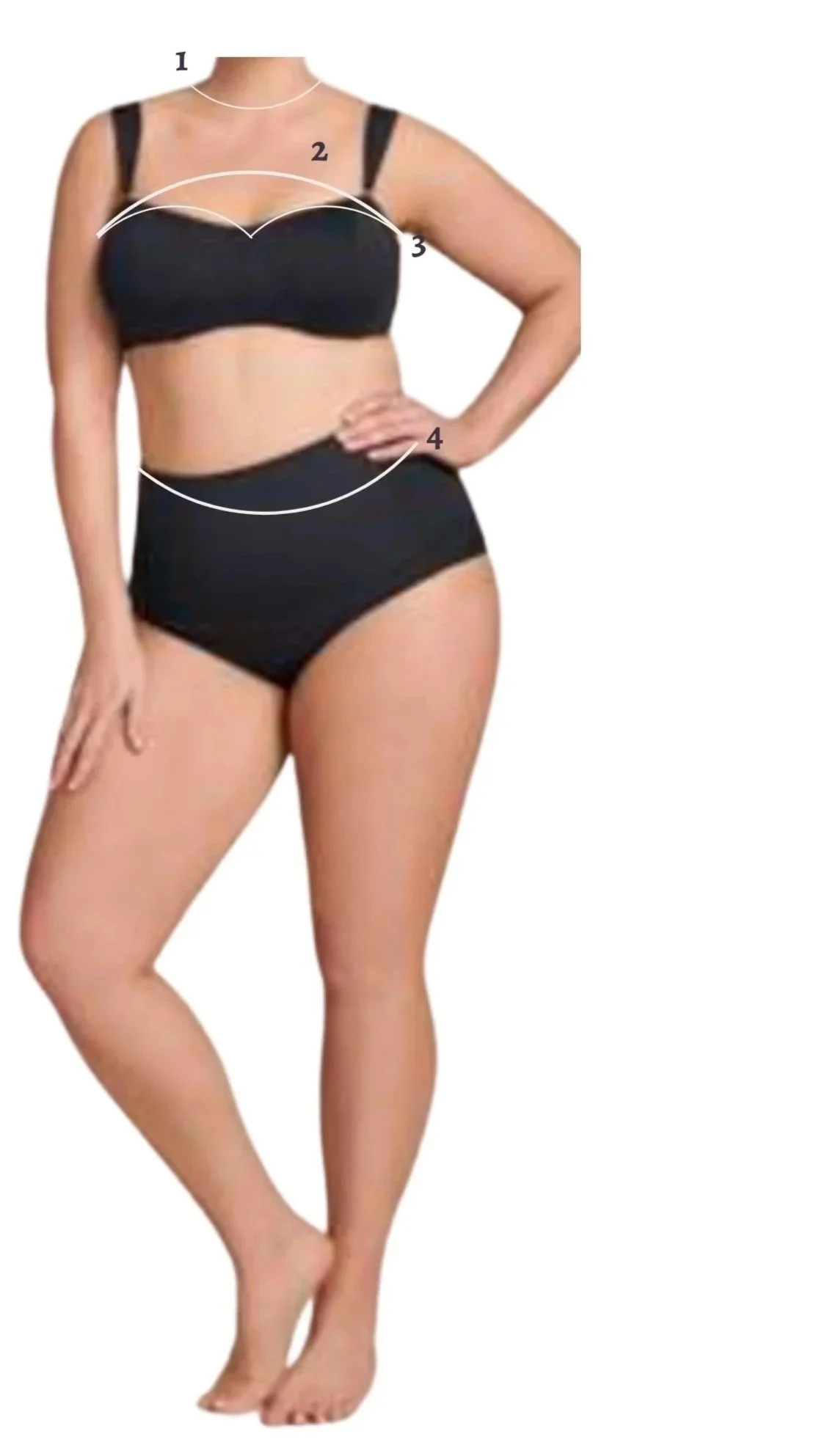
Curvy lines
Avoid horizontal lines on your chest and torso
Tennis necklace, crew necks
Create a soft curve when styling of shoulder tops and opt for curvy lines when wearing strapless
Sweet heart necklines
Tuck only the sides of your tops
Outside Lines Silhouettes
Upper Body
Clean shoulders
No volume
Mid Body
Fitted waist
Straight lines
A-line
Lower Body
A-line
Flare
Volume
garment guide
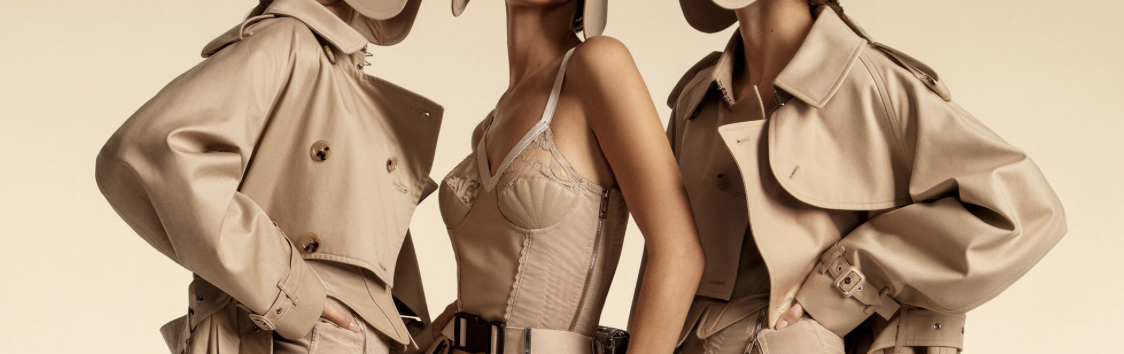
Necklines & Shoulder Lines
Invest in lightweight, fluid fabrics that create softness and movement. For fitted tops, choose styles with some stretch so they comfortably follow your shape while maintaining a smooth and balanced silhouette.
Crew Neck
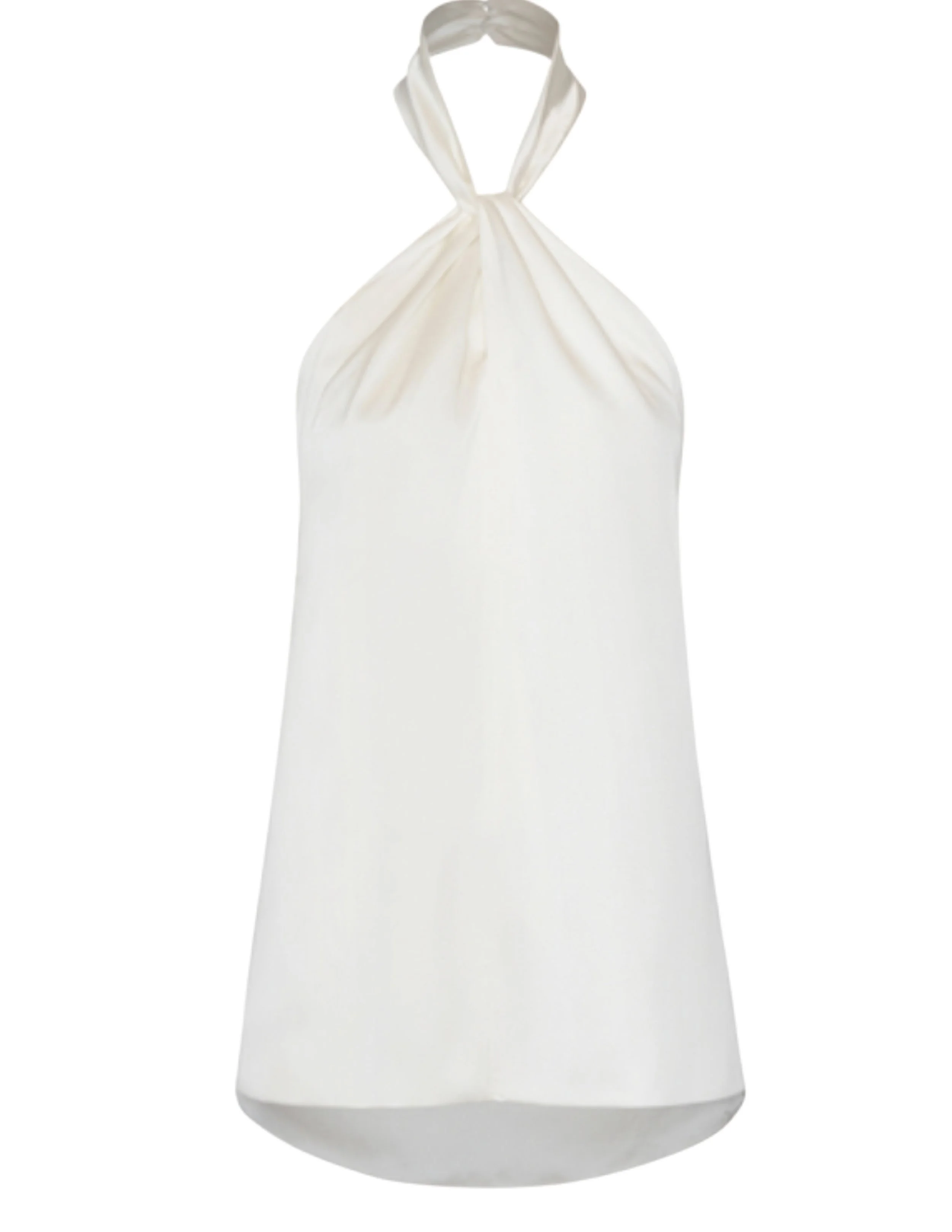
Halter
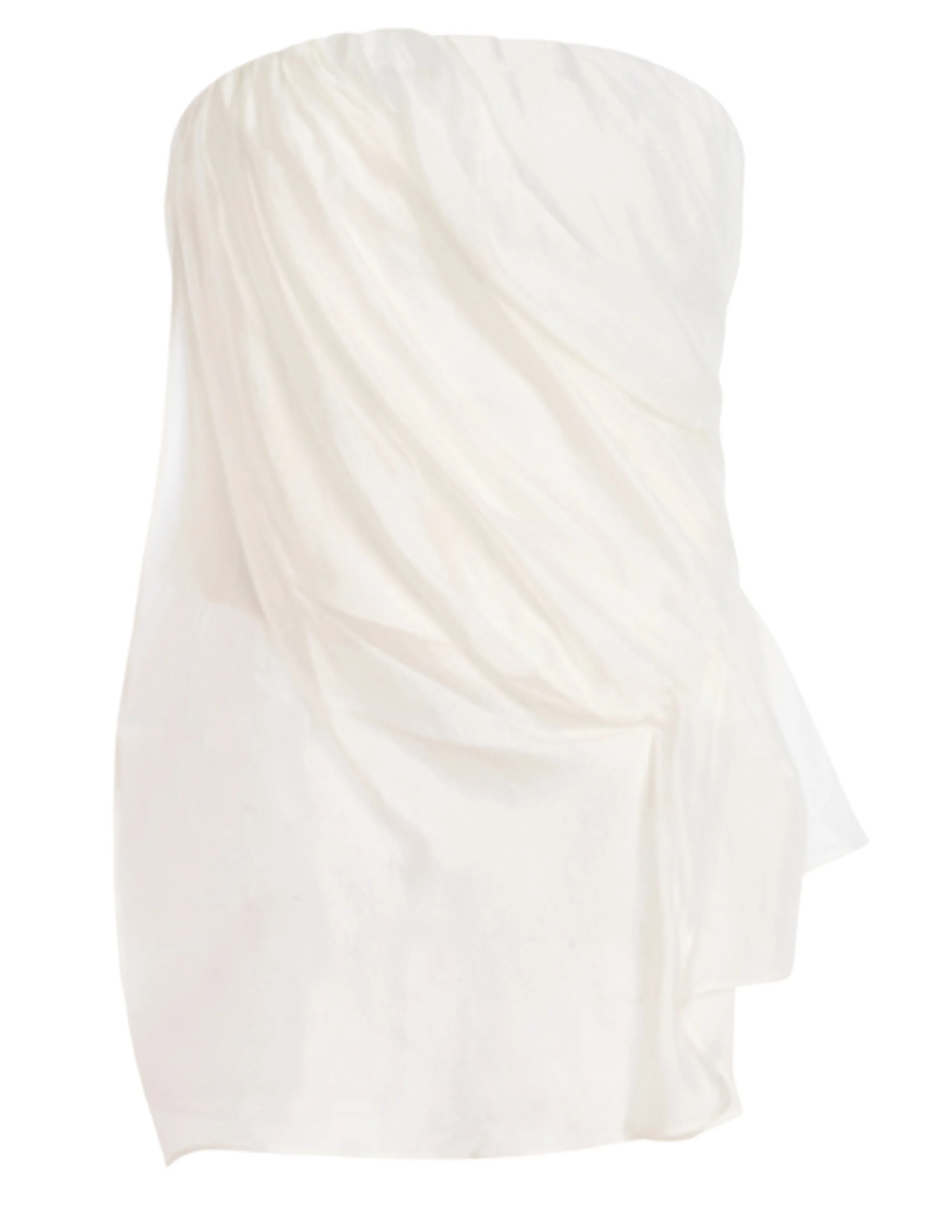
Curvy Strapless
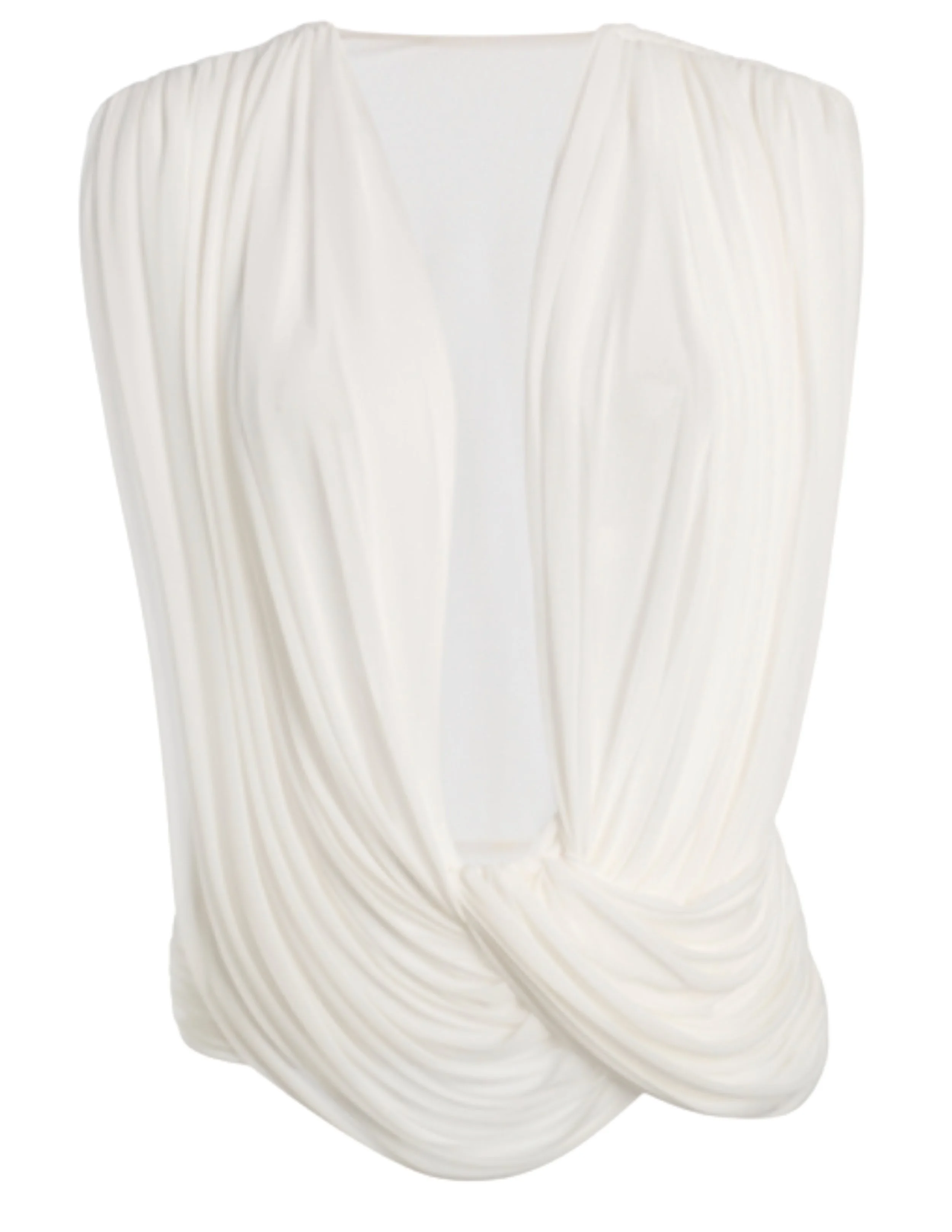
Plunging
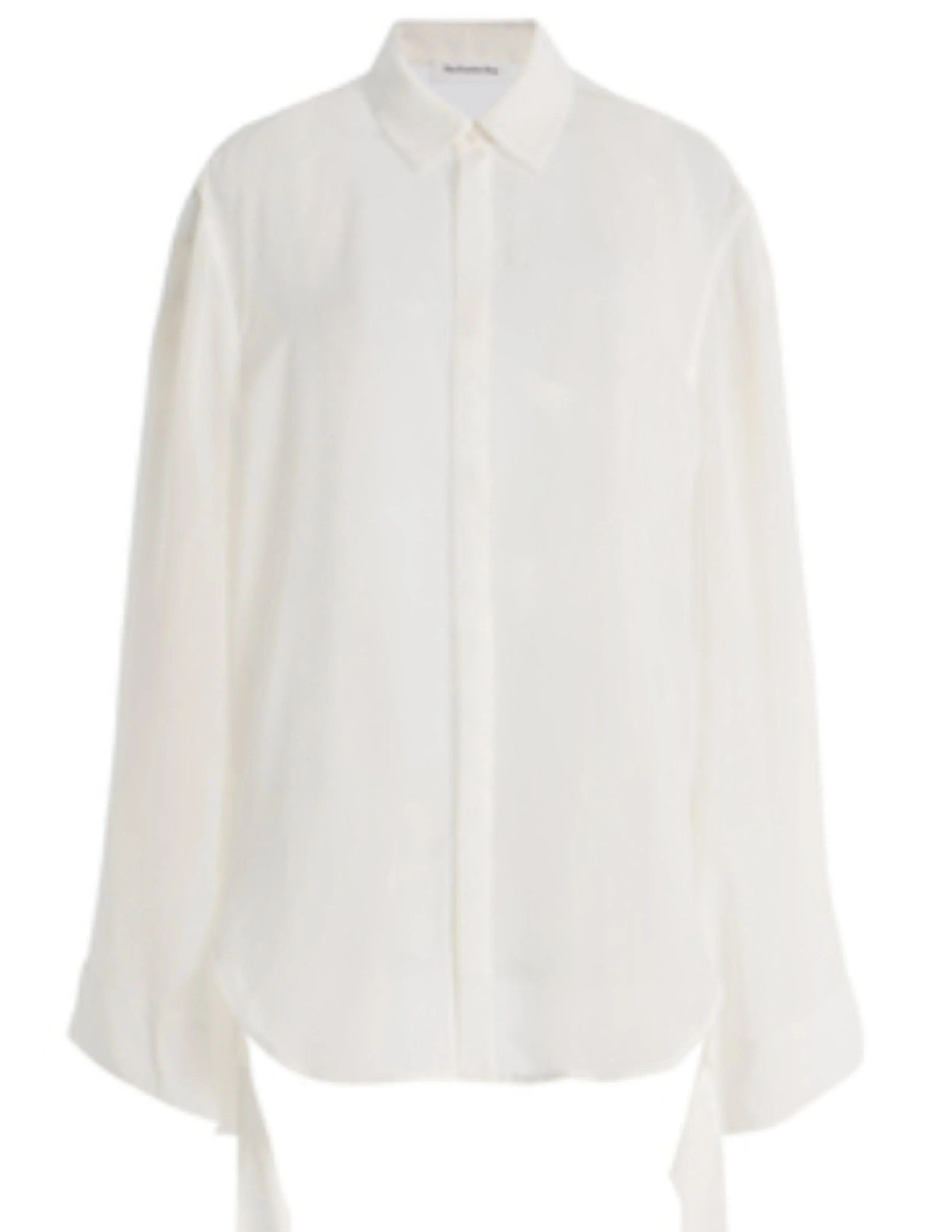
Button Downs
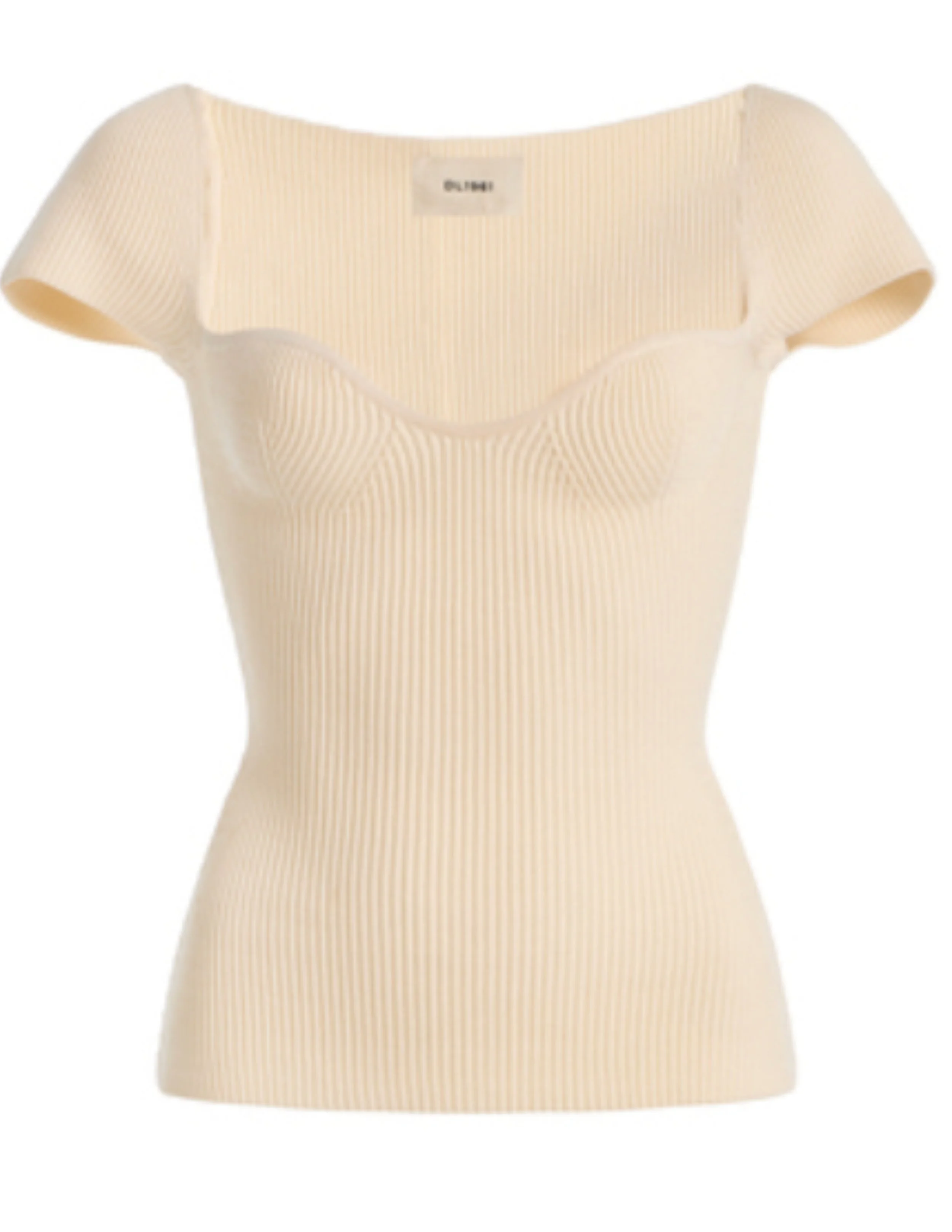
Sweet Heart - fitted tops must pair with loose fit pants
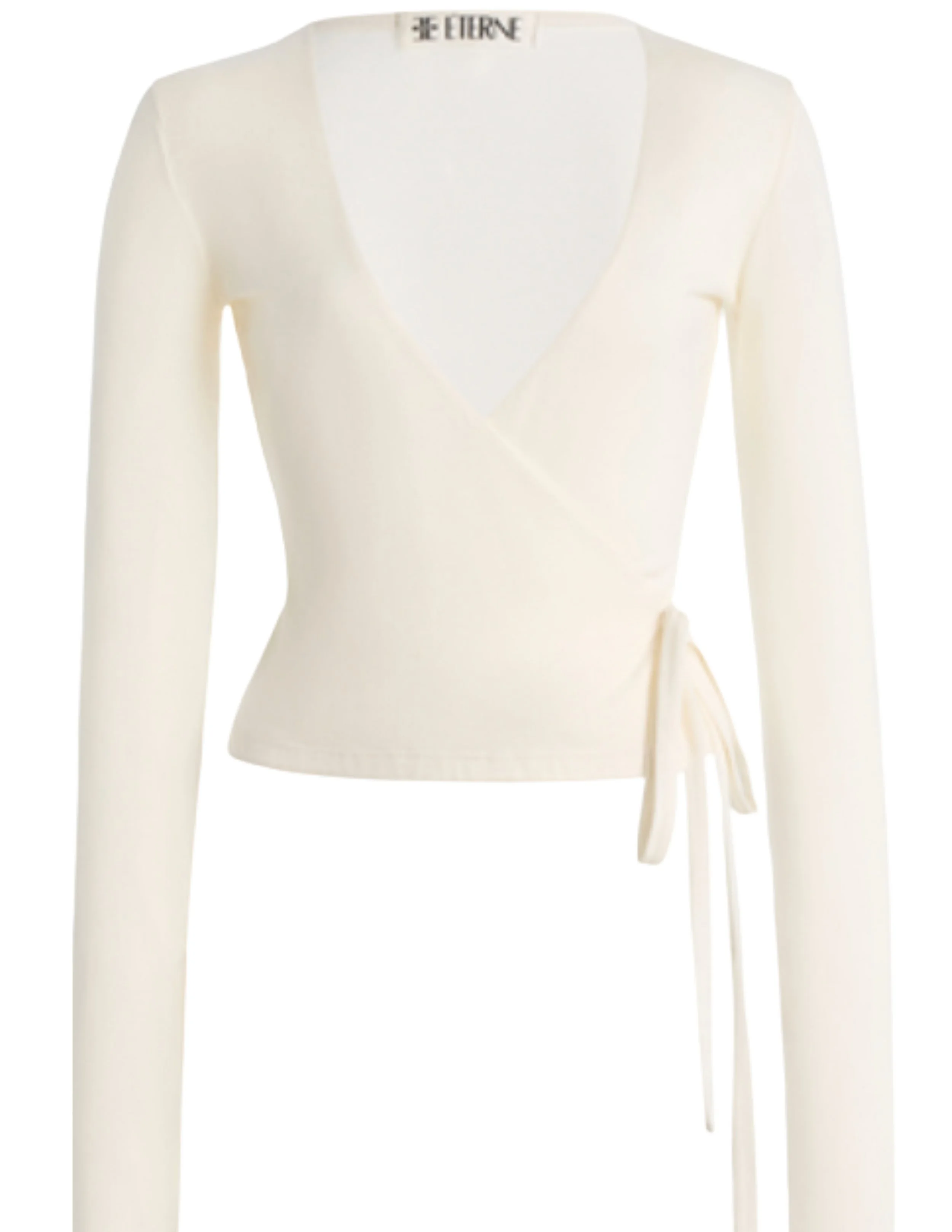
Fitted Shoulder
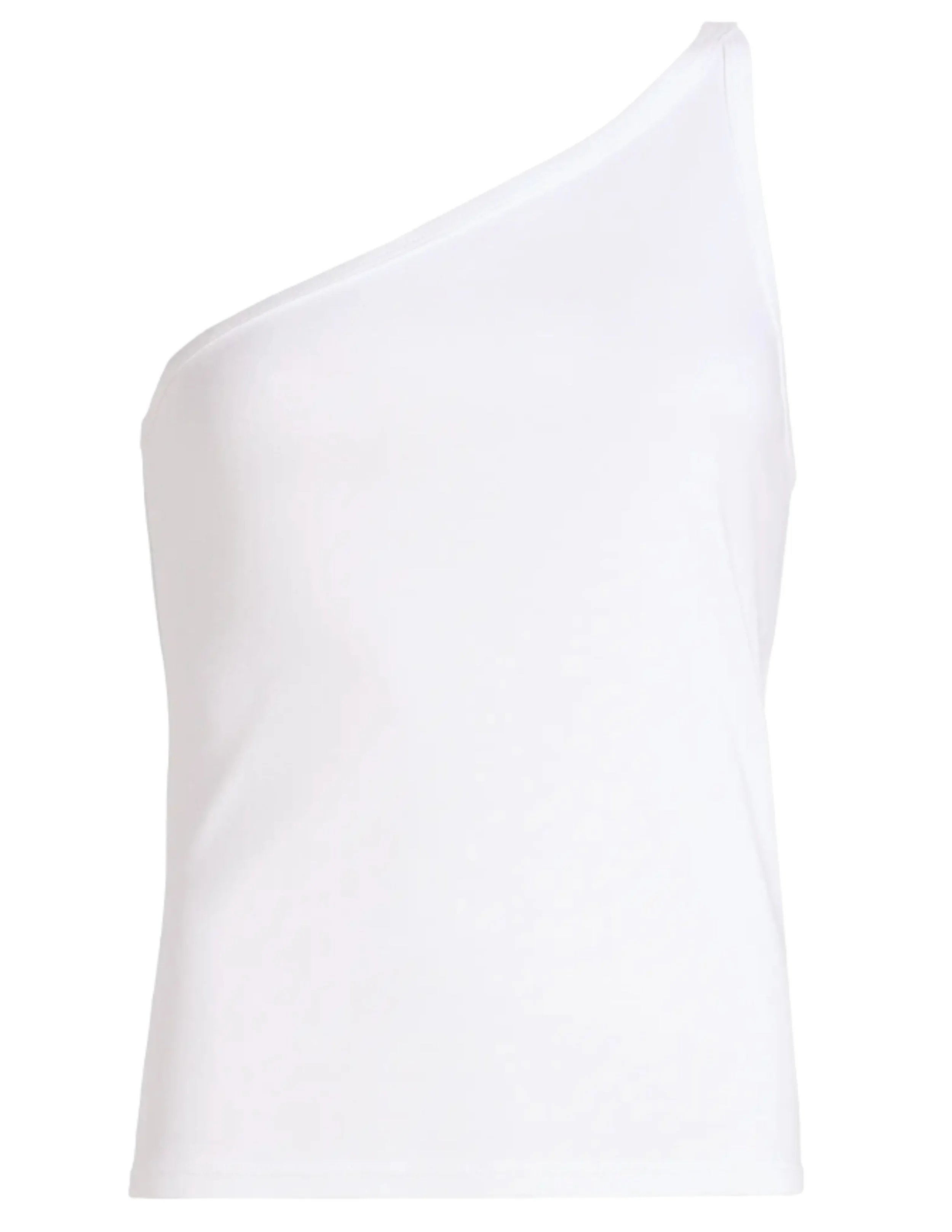
Asymmetric One Shoulder
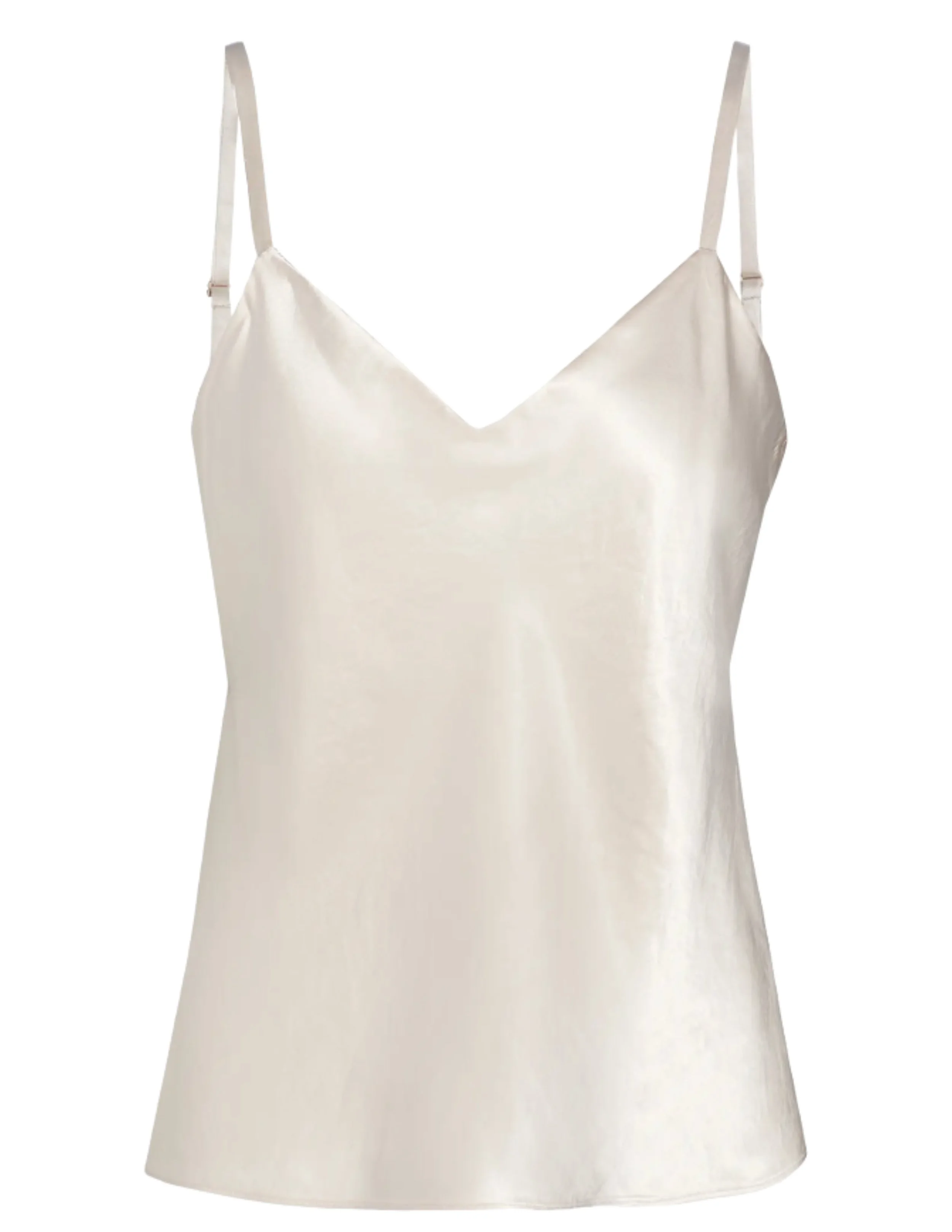
Spaghetti Strap
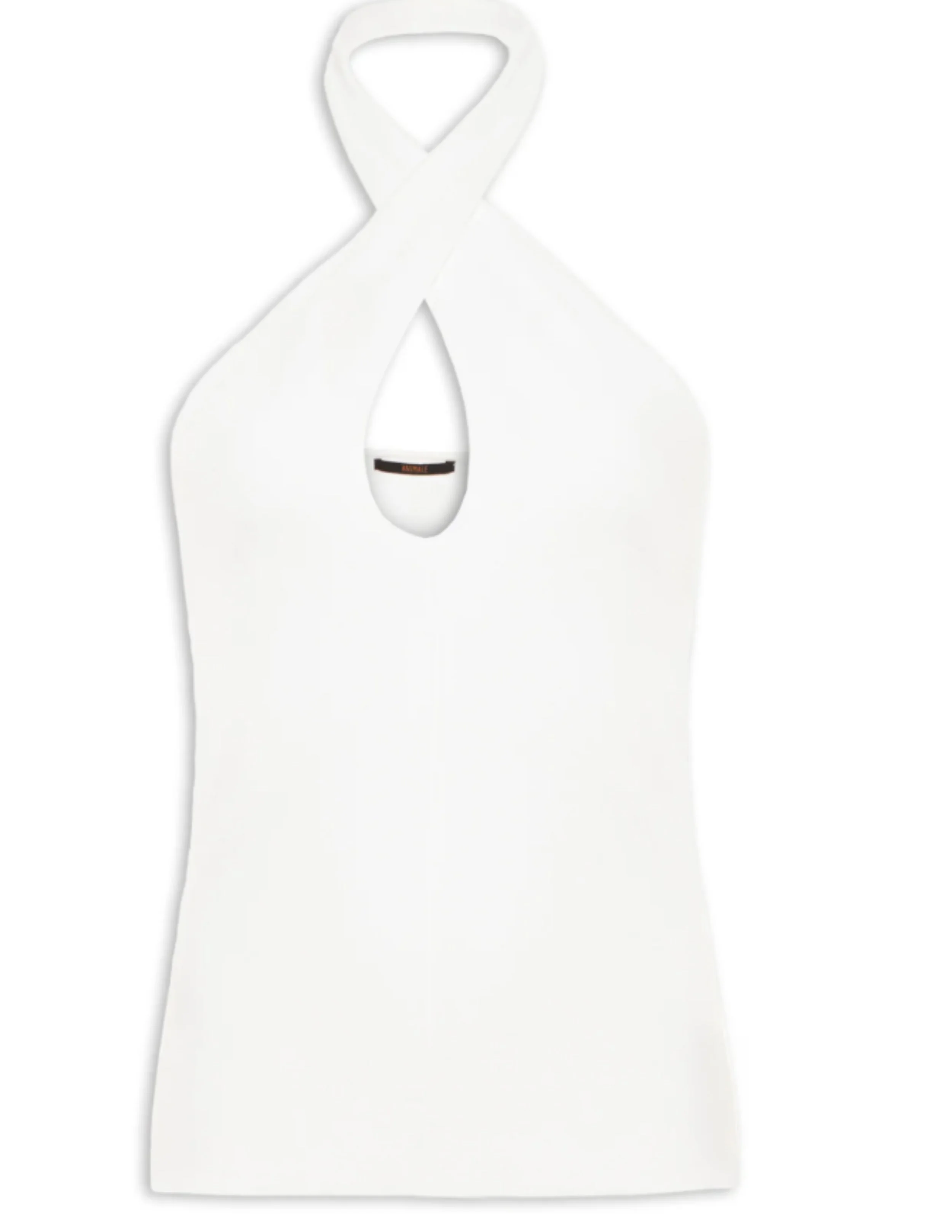
Key Hole
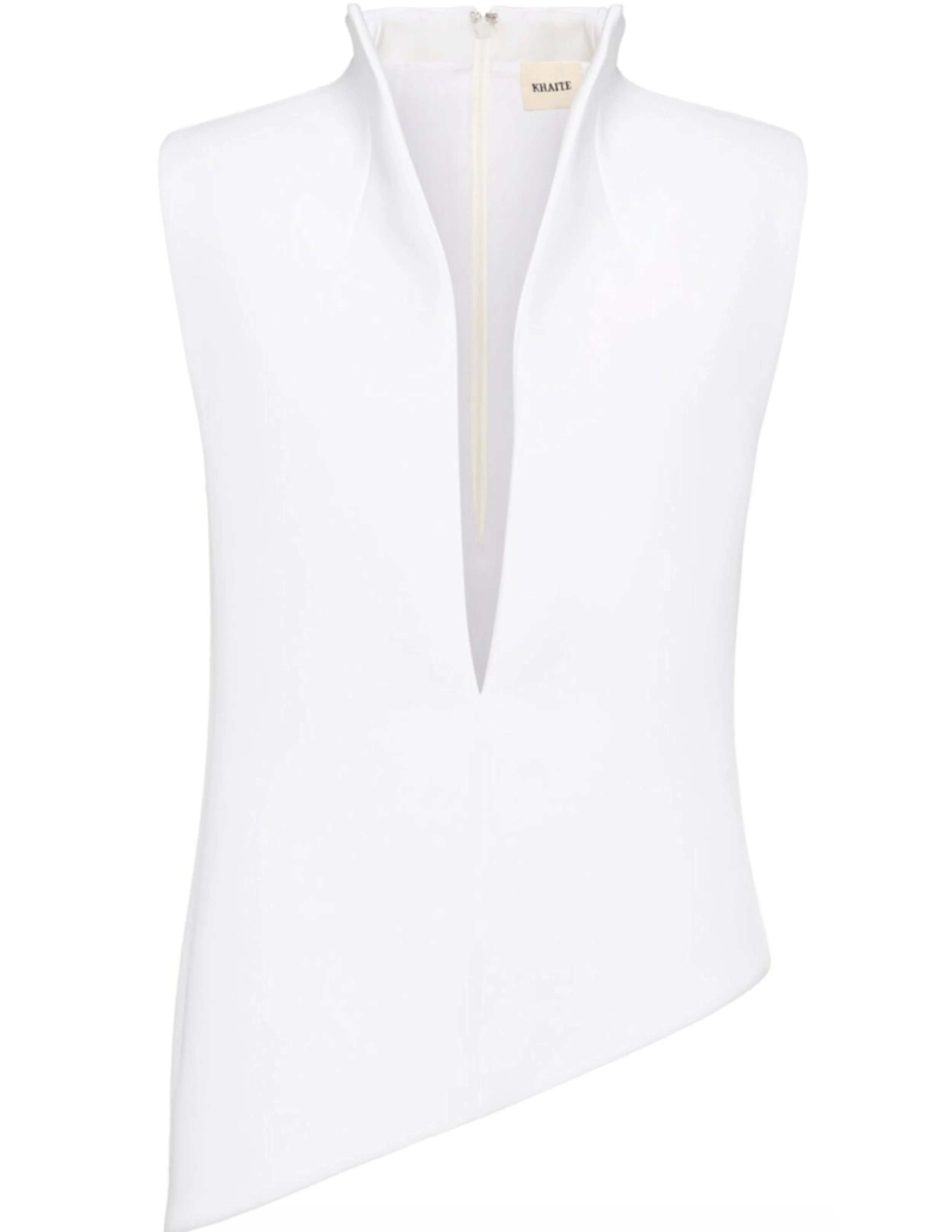
Stand Up Collar
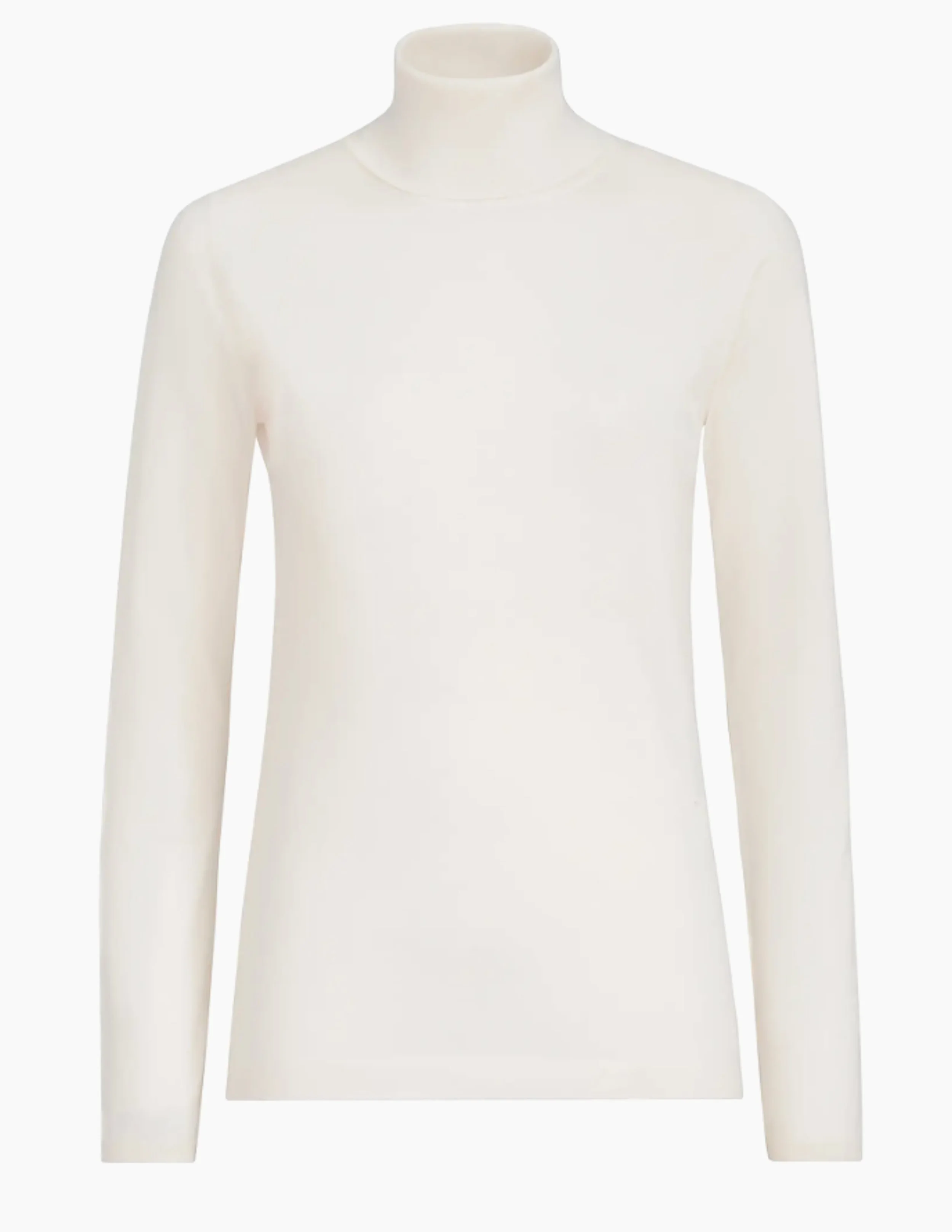
Turtle Neck
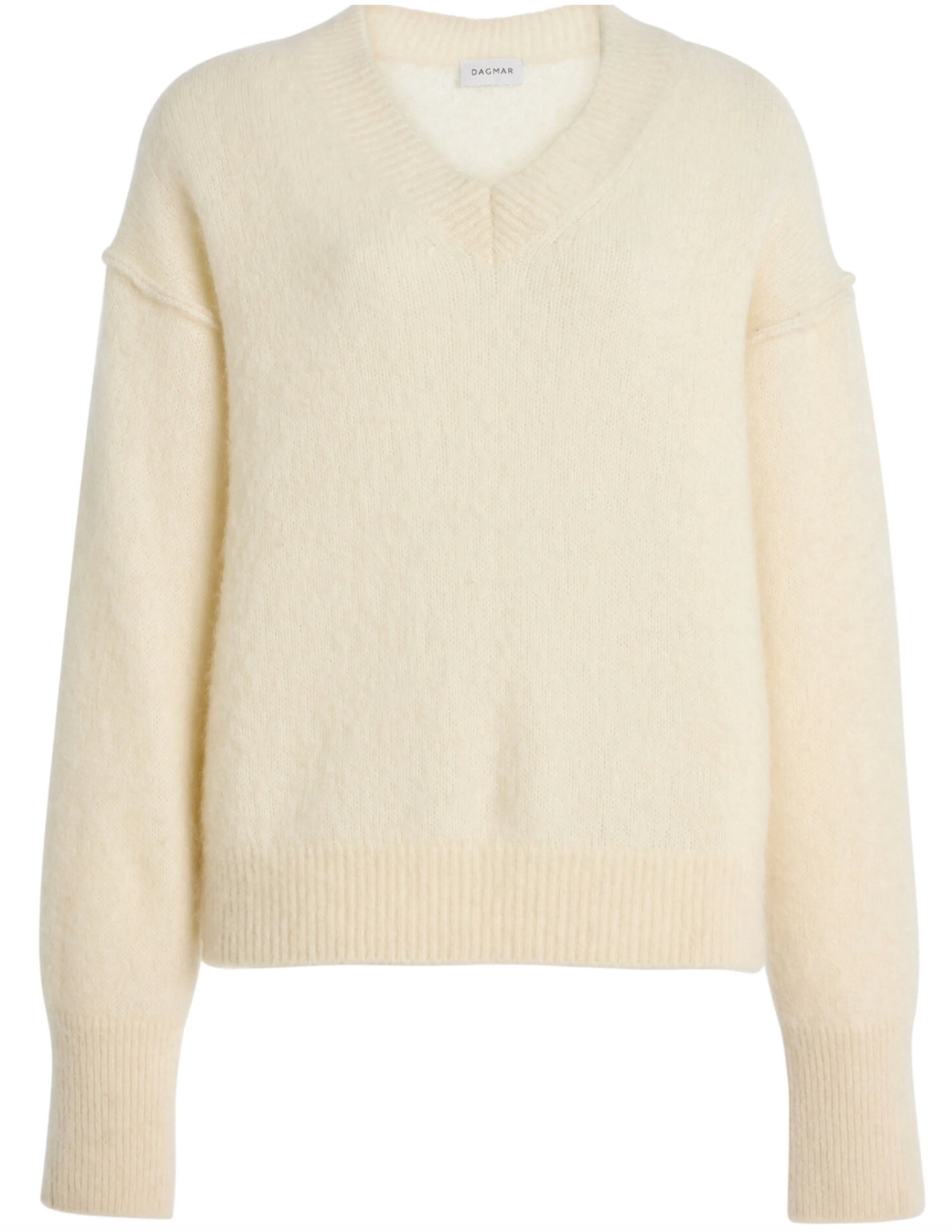
Dropped Shoulder
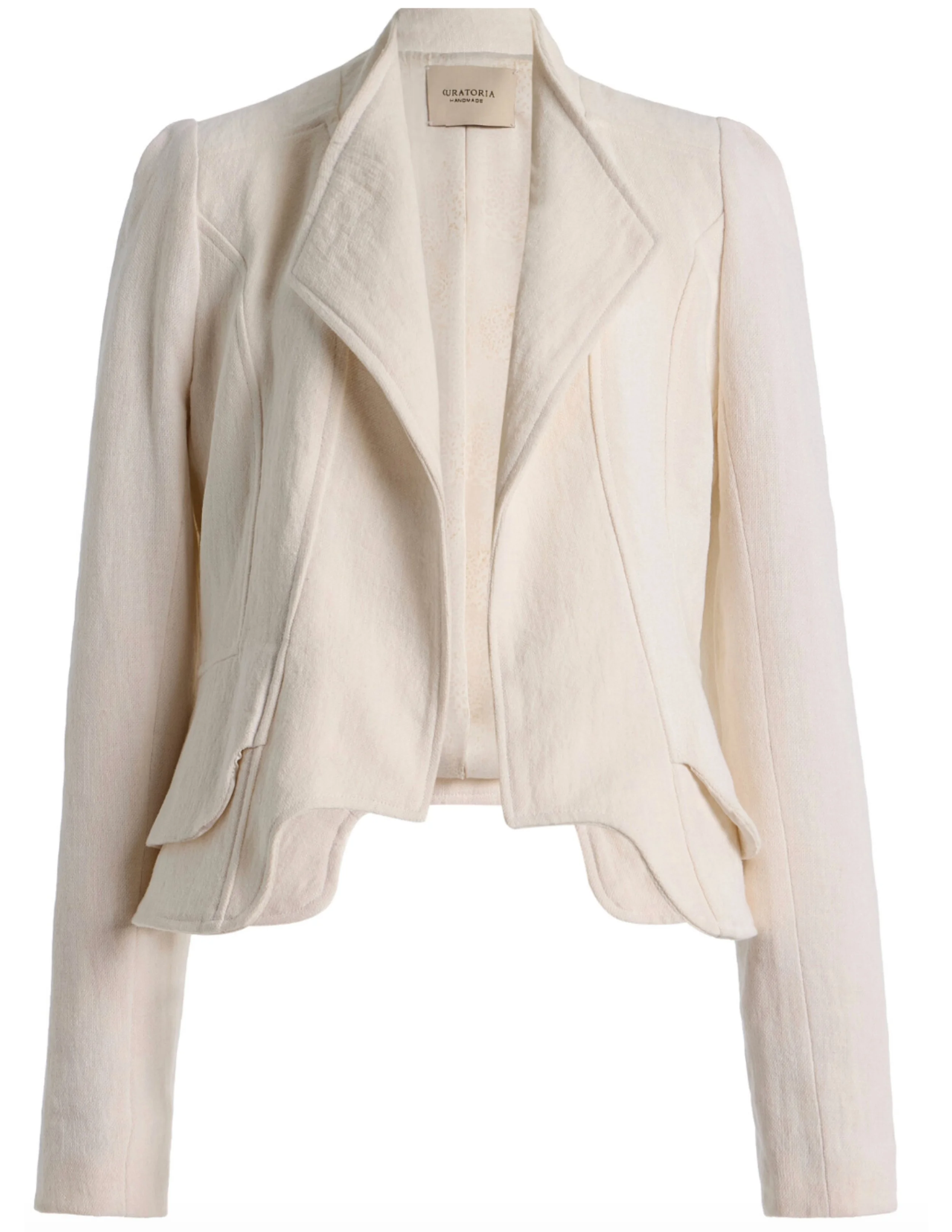
Shoulder Line should be Placed at Shoulder Bone
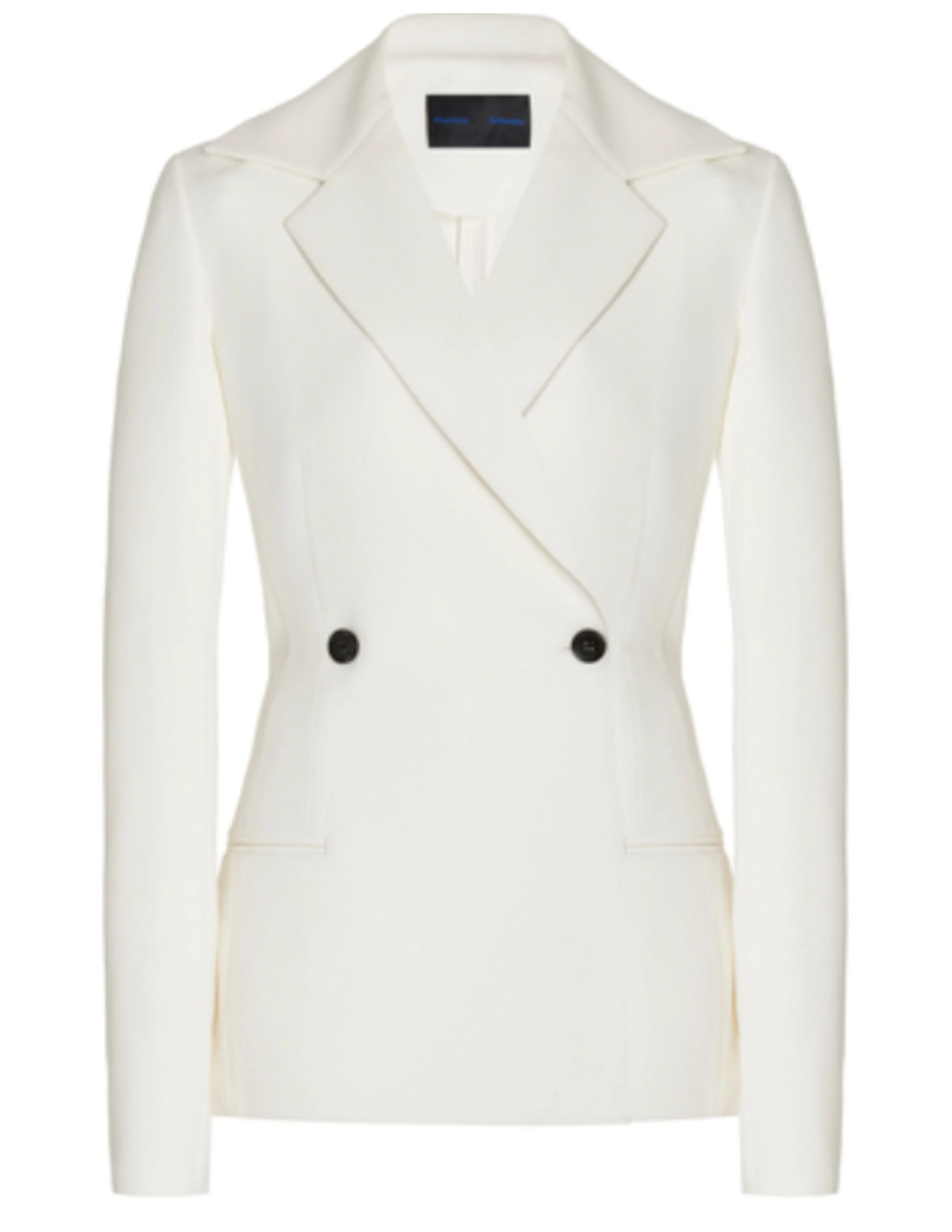
Wide Lapel - Avoid Shoulder Padding
Sleeves
Keep your sleeves fitted whenever possible to maintain clean and balanced proportions. If you’re wearing a looser fit, I would recommend pulling or rolling the sleeves up slightly to create more structure and definition.
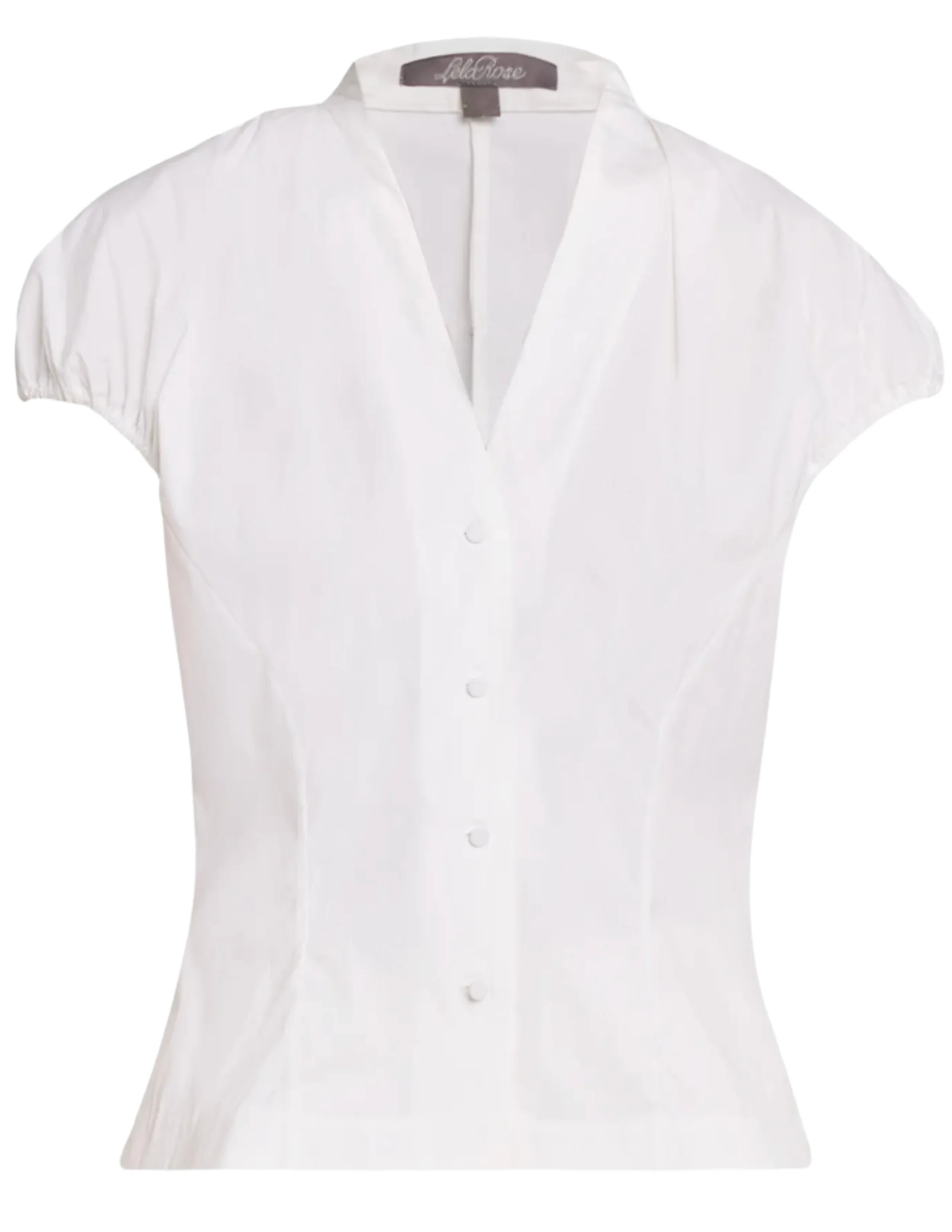
Cap Sleeves
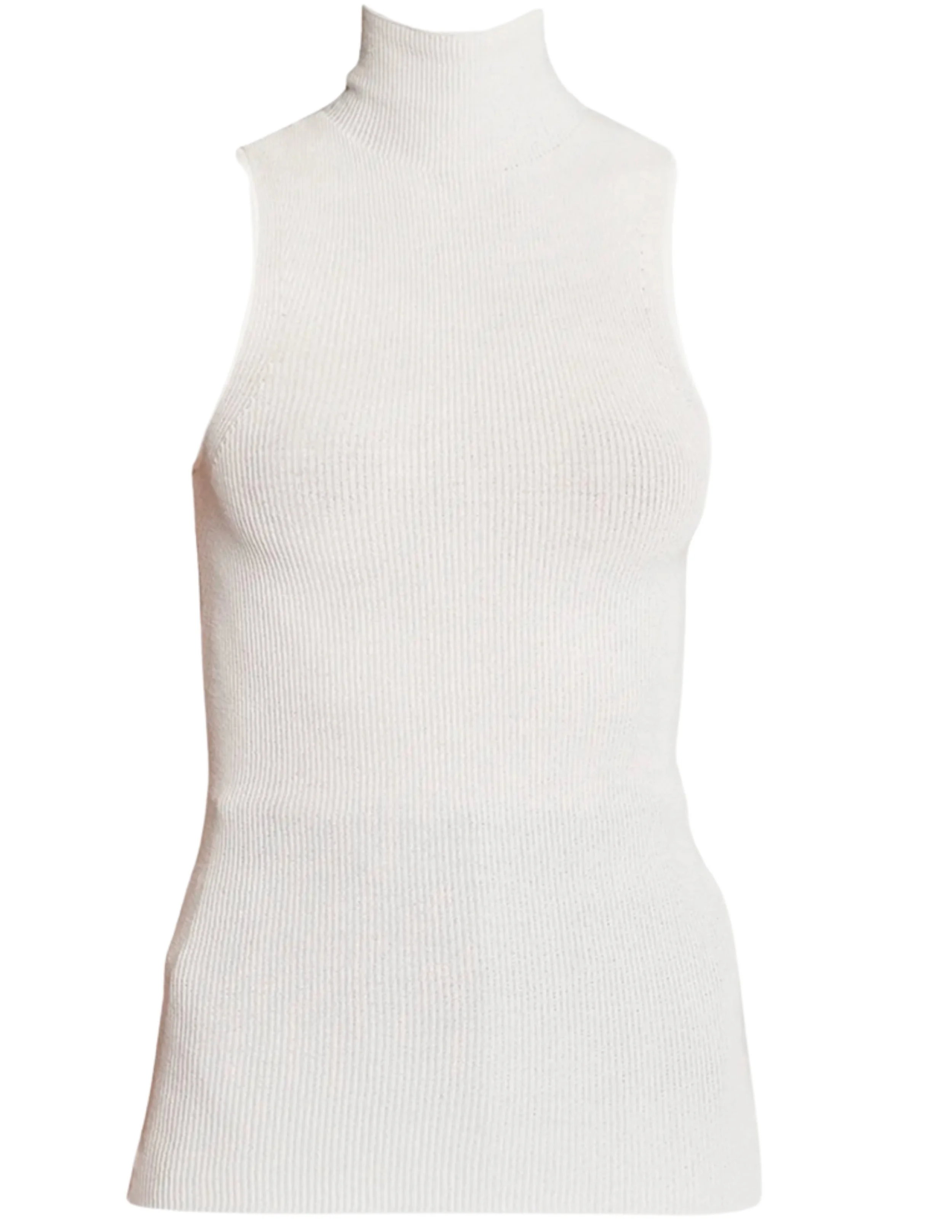
Halter
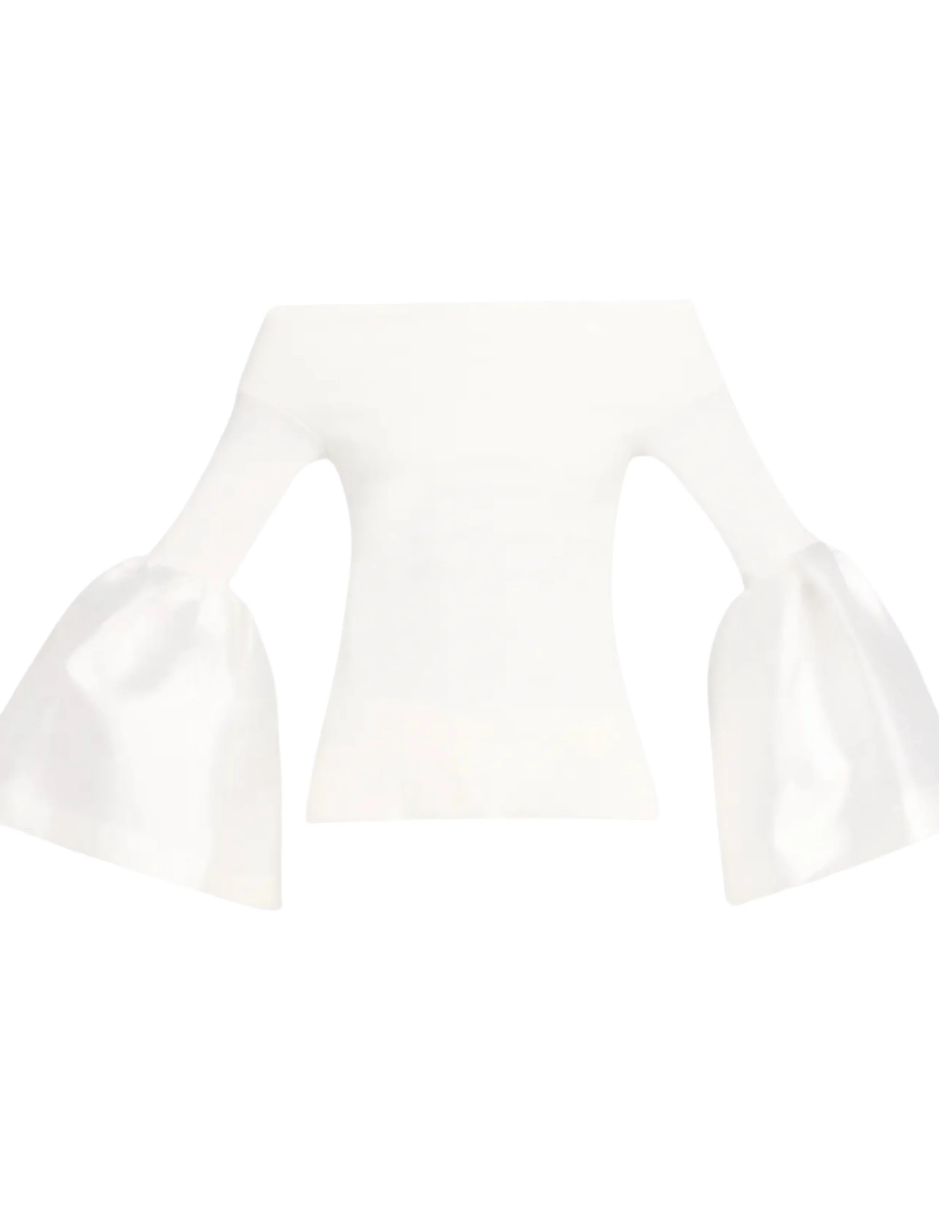
Bell
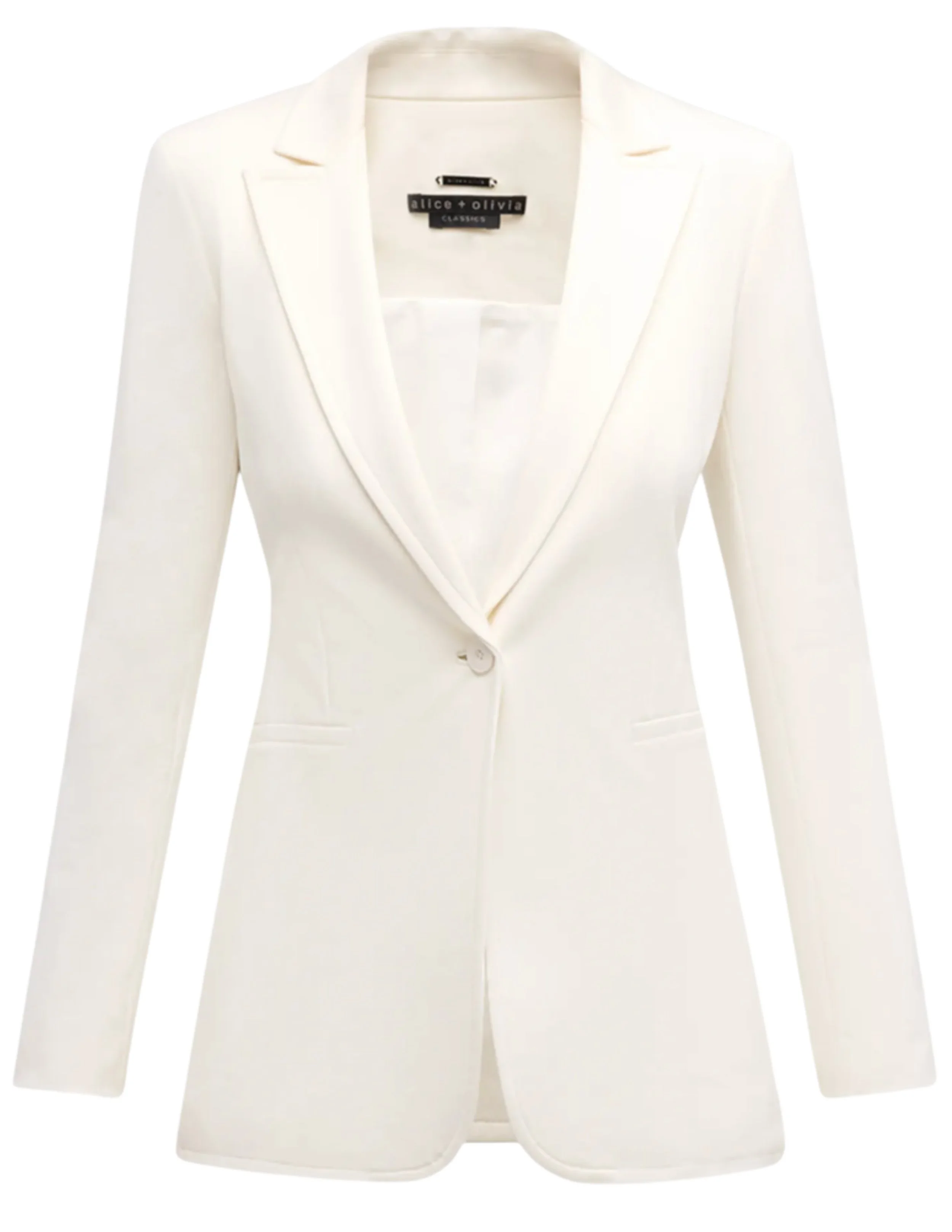
Fitted Extra Long
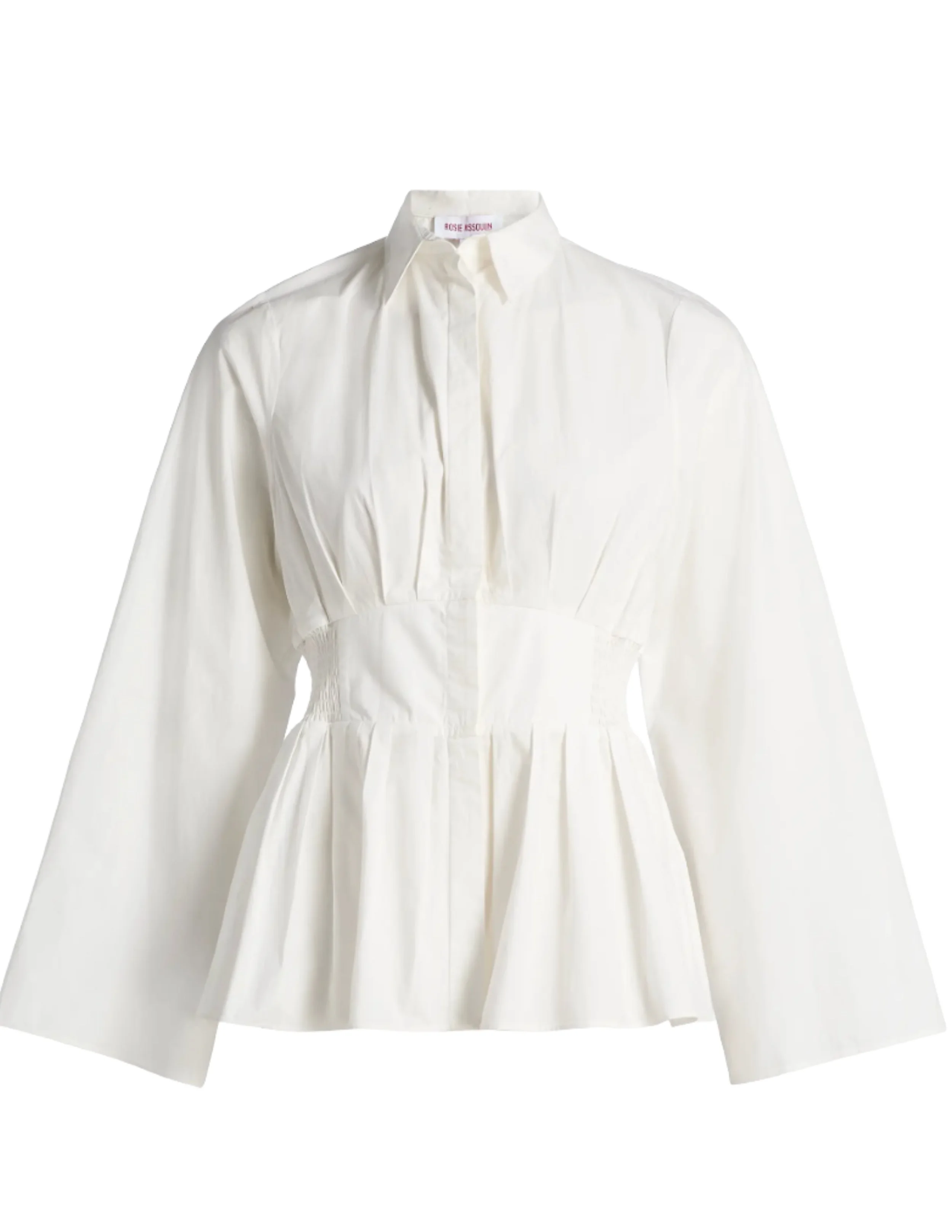
Flare
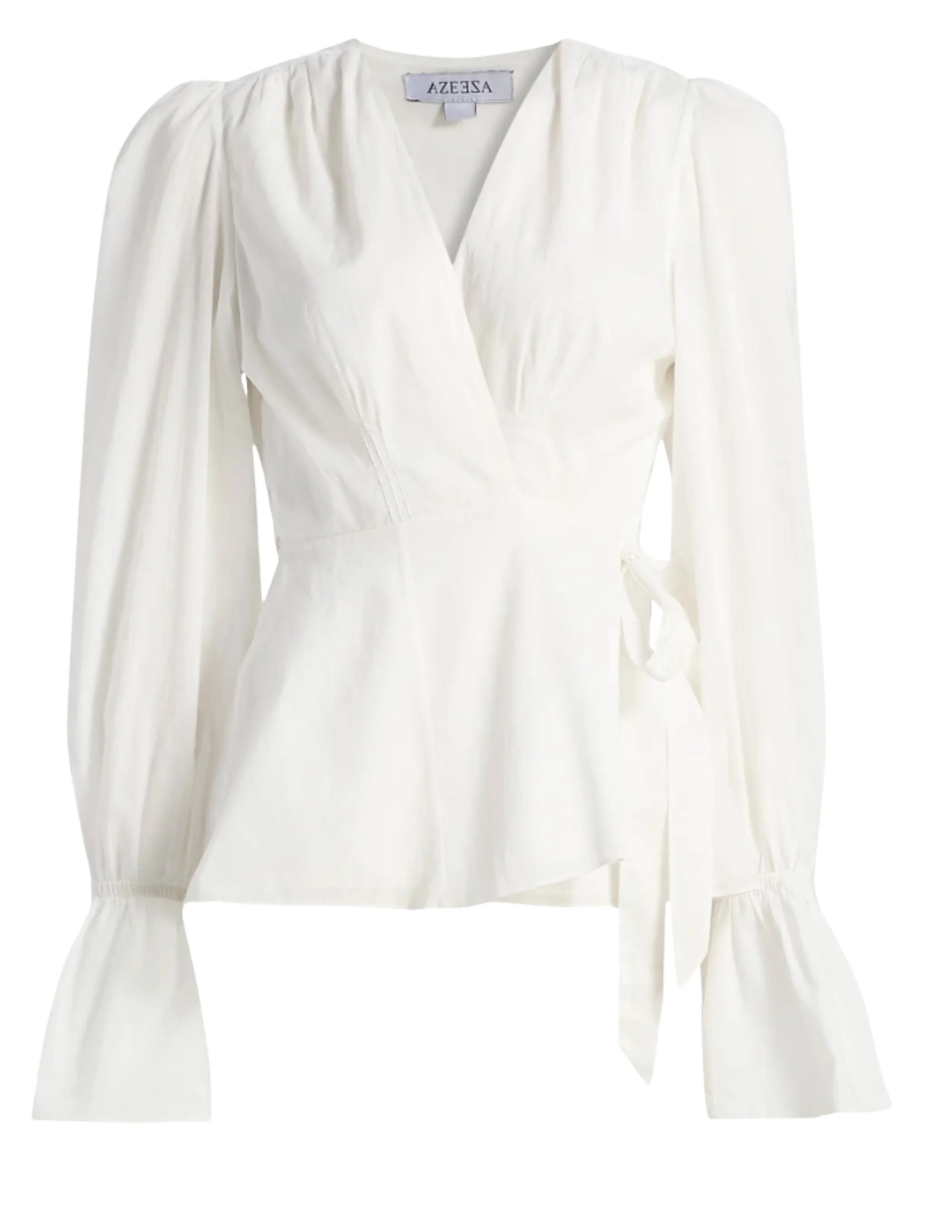
Puff Flare - Tie Cuff
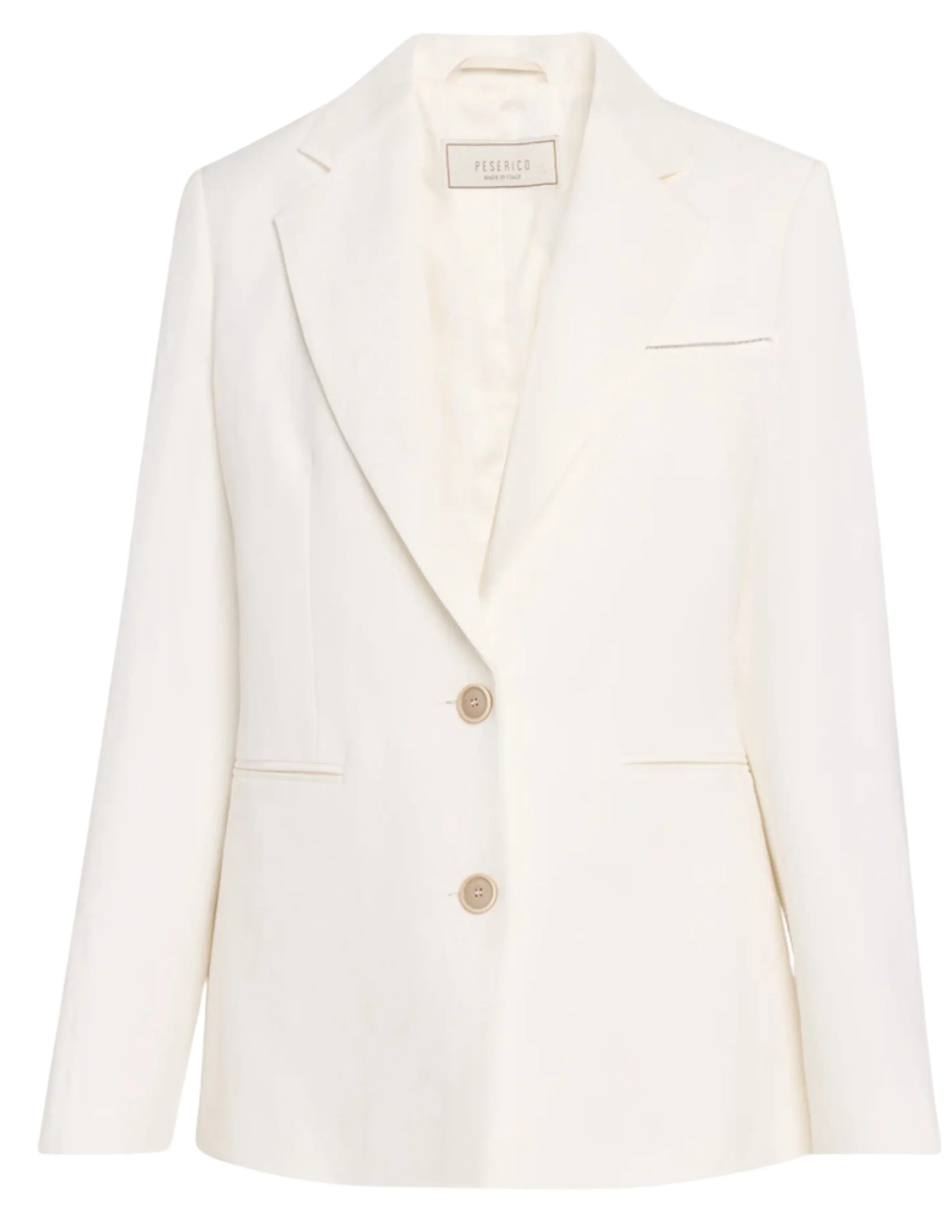
Loose Fit - Pull Up
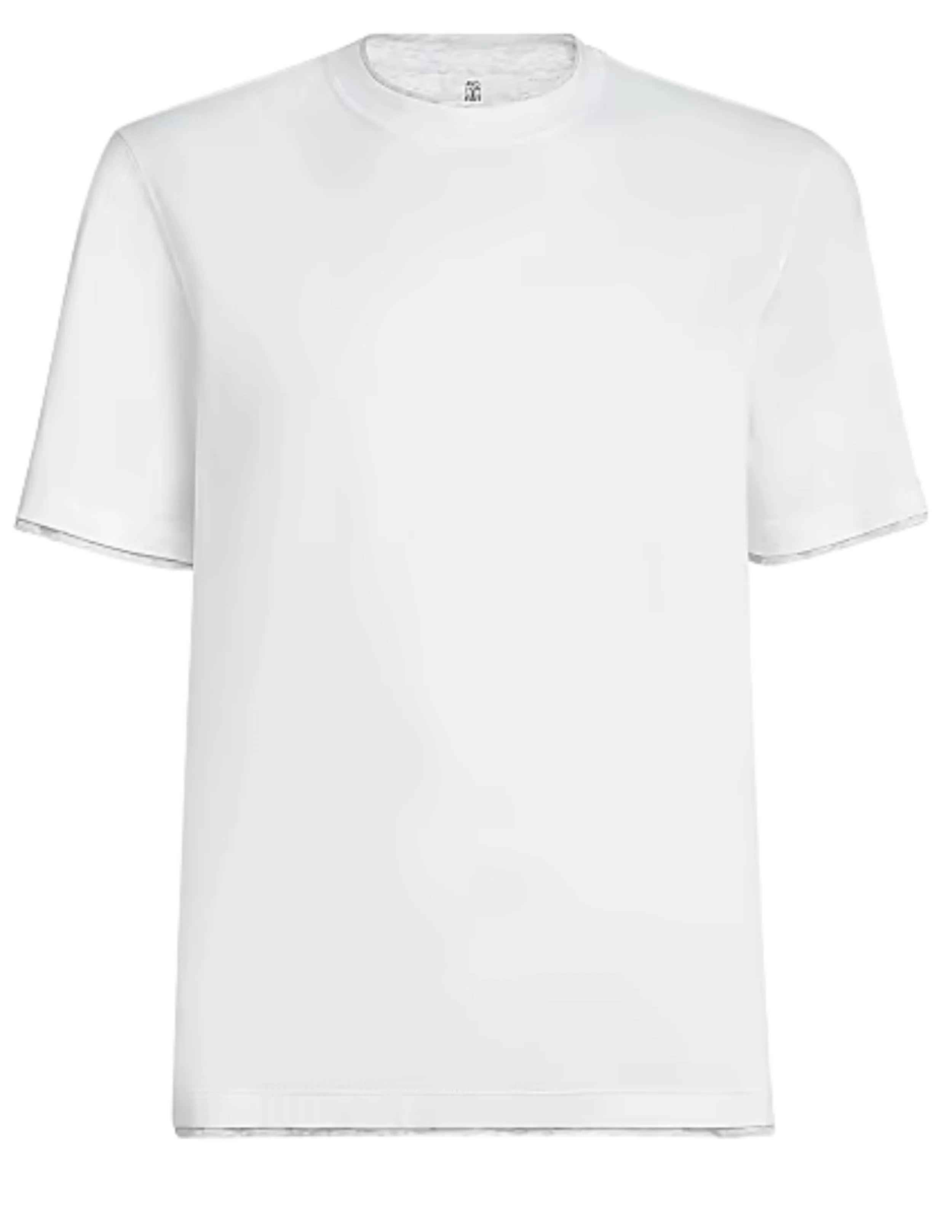
Boxy Sleeve - Roll up
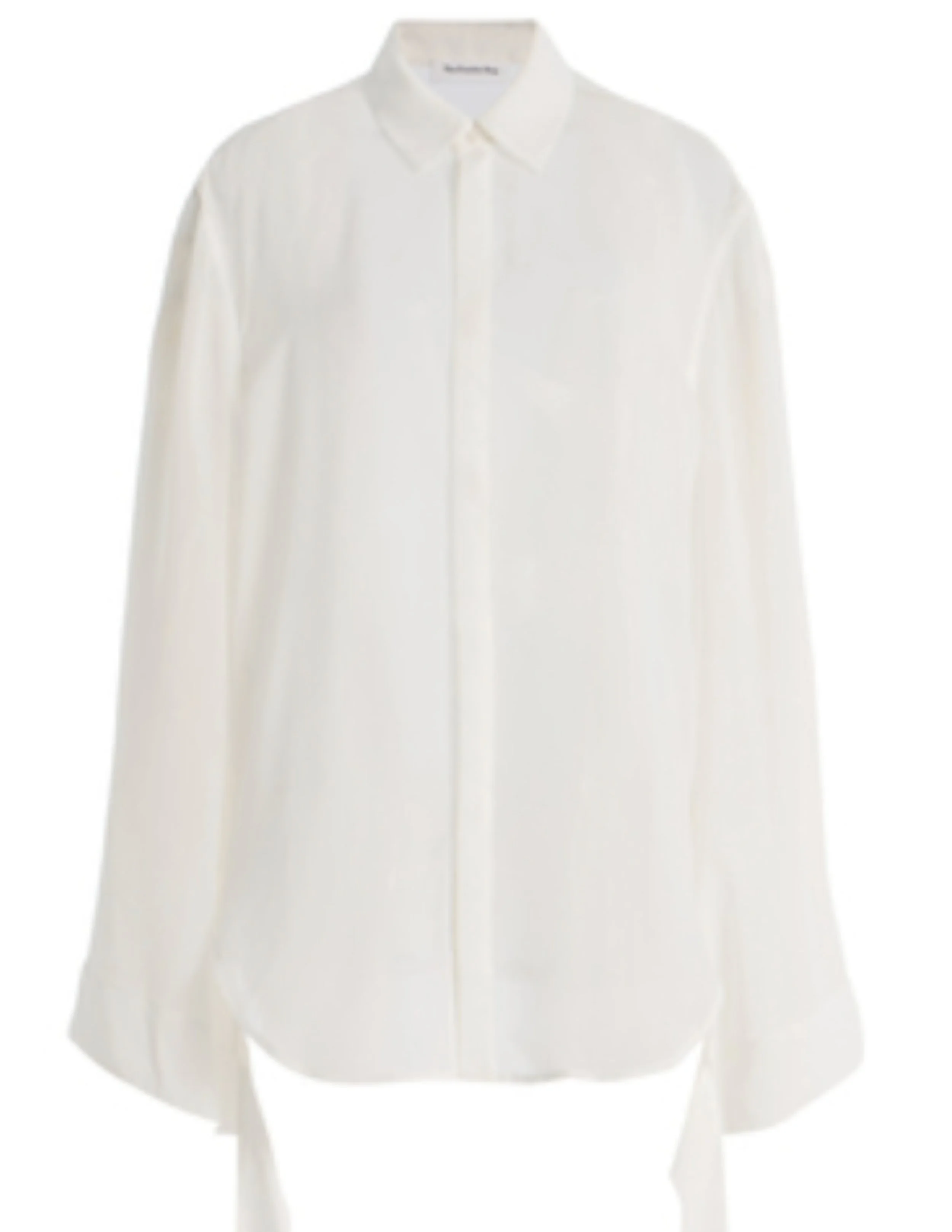
All Details at Wriest
SILHOUETTES - INSIDE LINES
Invest in light to medium-weight fluid fabrics with some stretch that softly follow the body and open into an A-line shape from the waist down. Choose hip-length tops and jackets, and if wearing cropped styles, pair them with wider or A-line bottoms and a soft tuck for a more balanced silhouette. Monochromatic looks can also help create elongation and harmony.
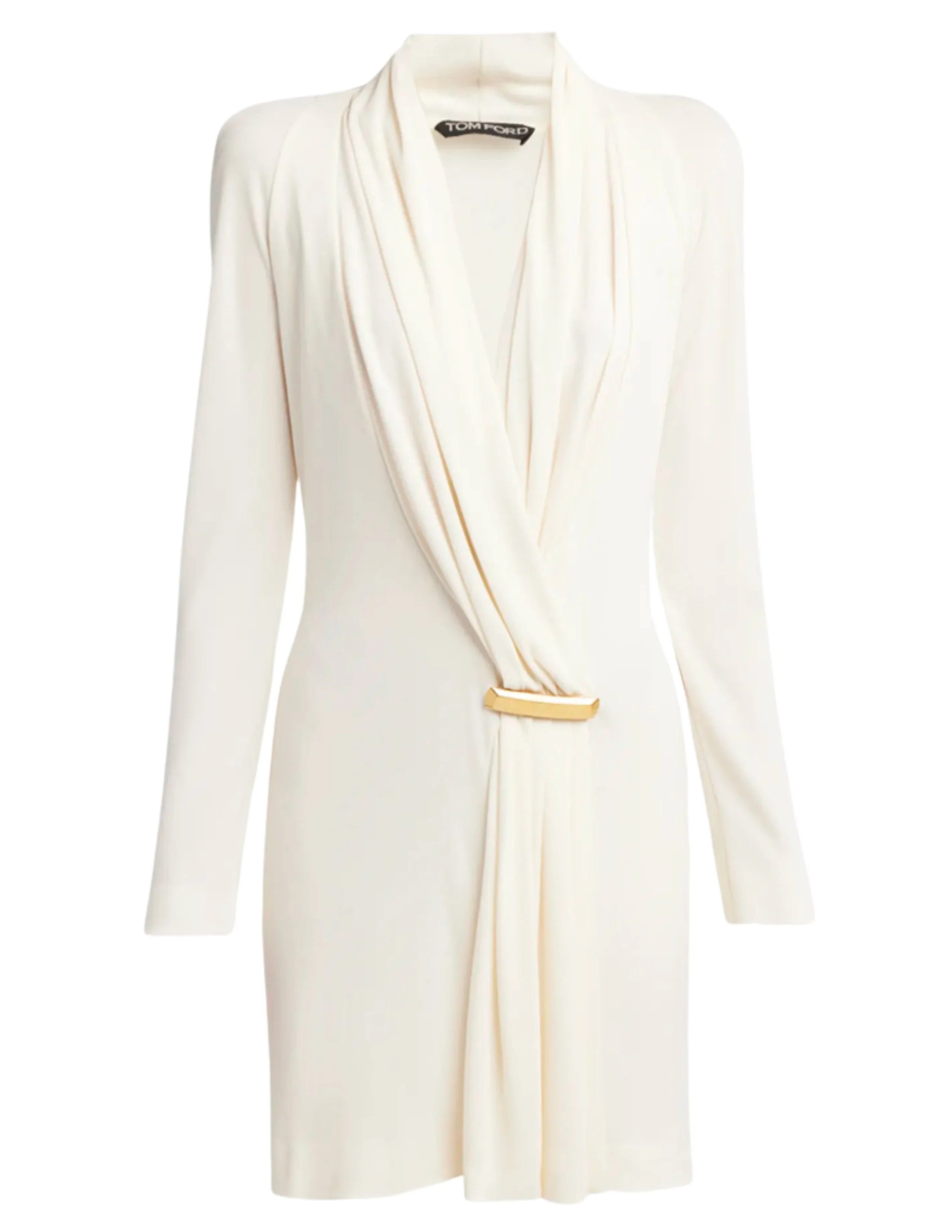
Straight Cut- Detail at Hip line
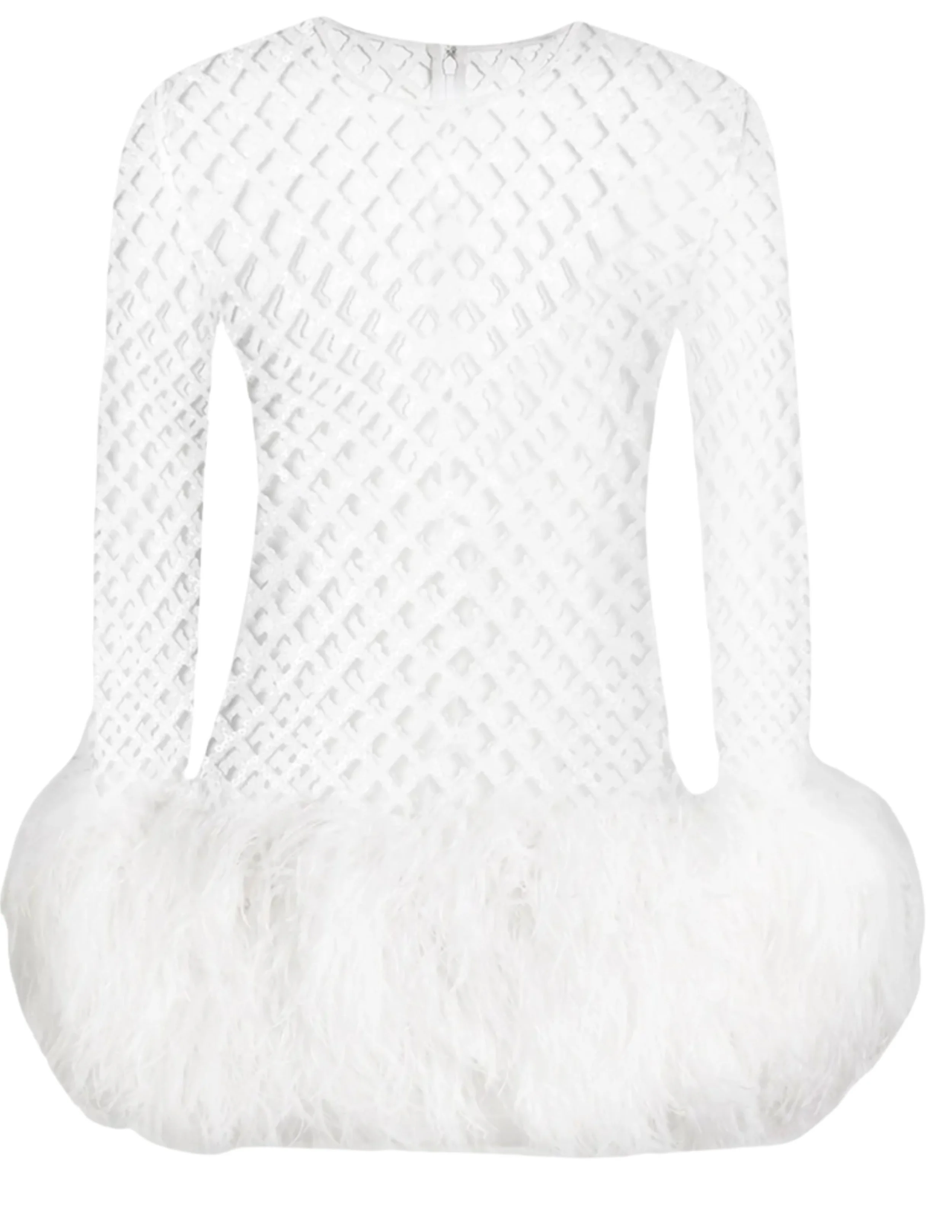
Detail at hip and wriest
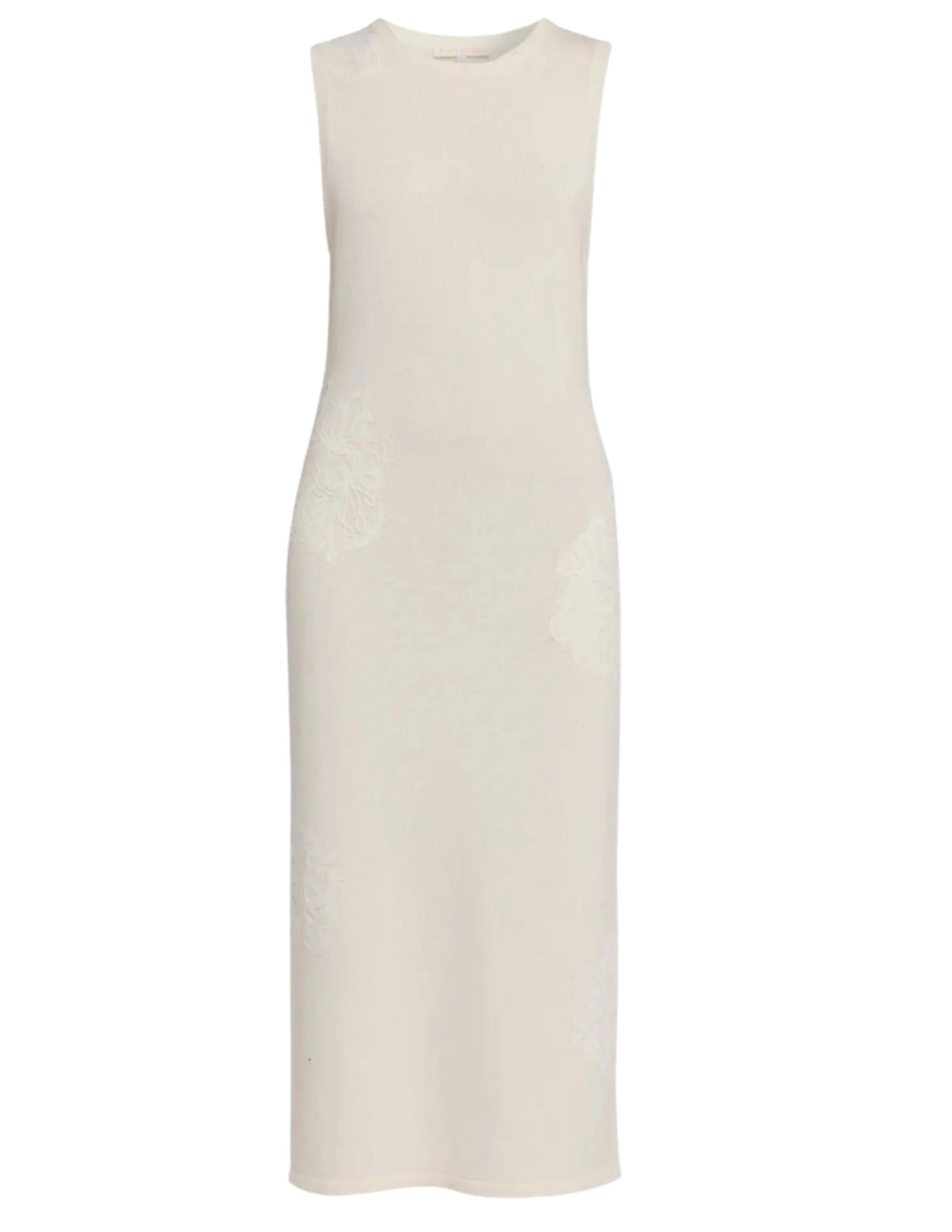
Straight cut - Should not tapper at thigh
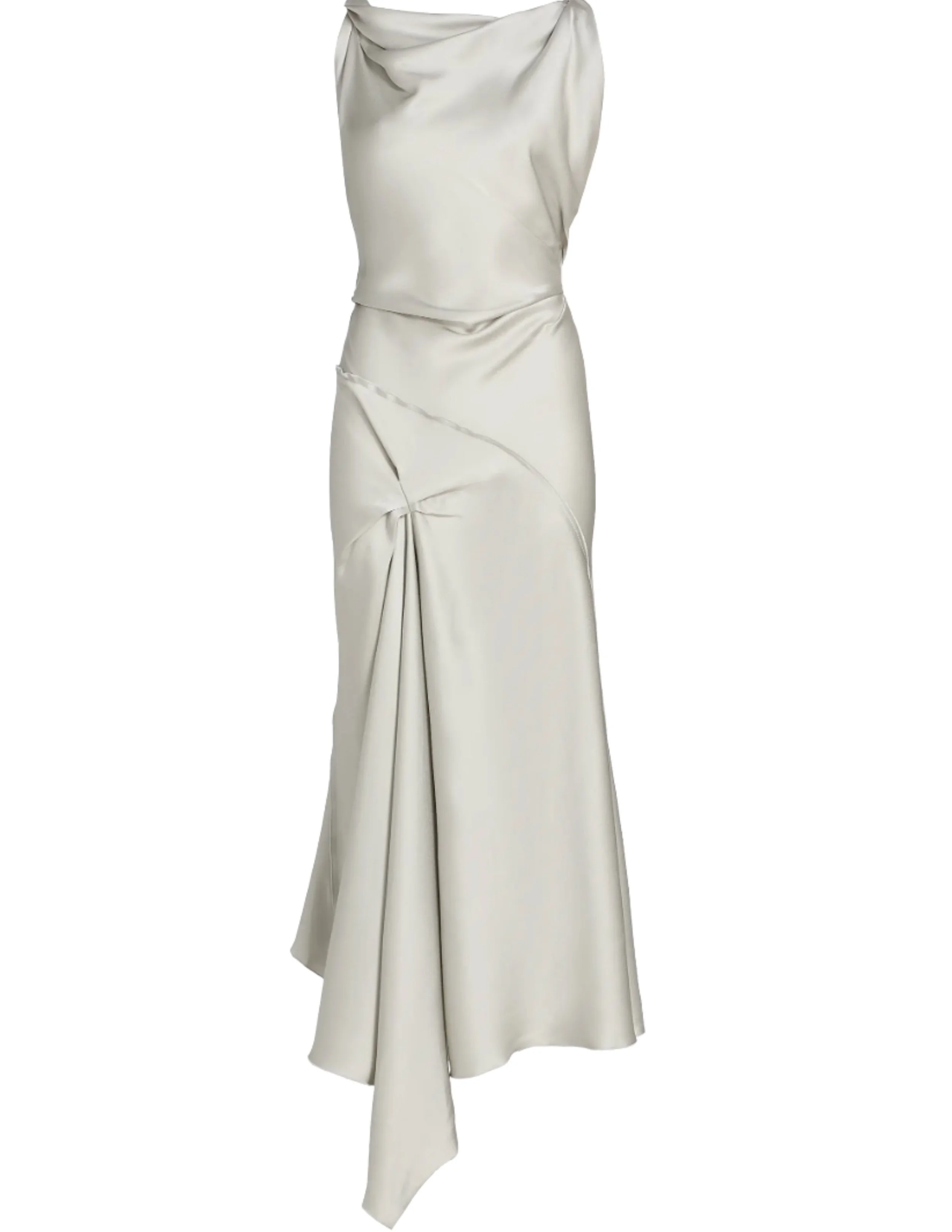
Side Detail by hip - Angular lines
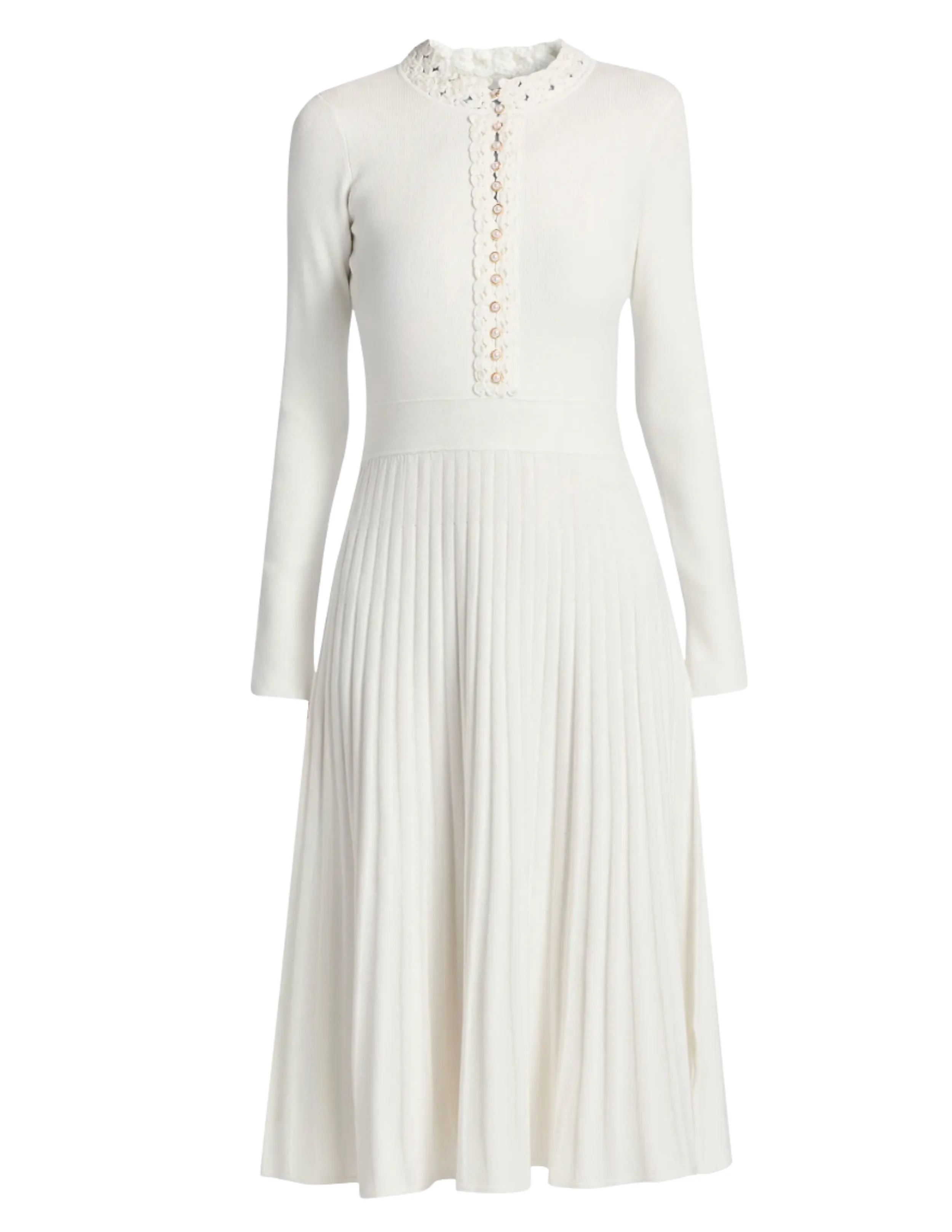
Pleated A-line Skirt
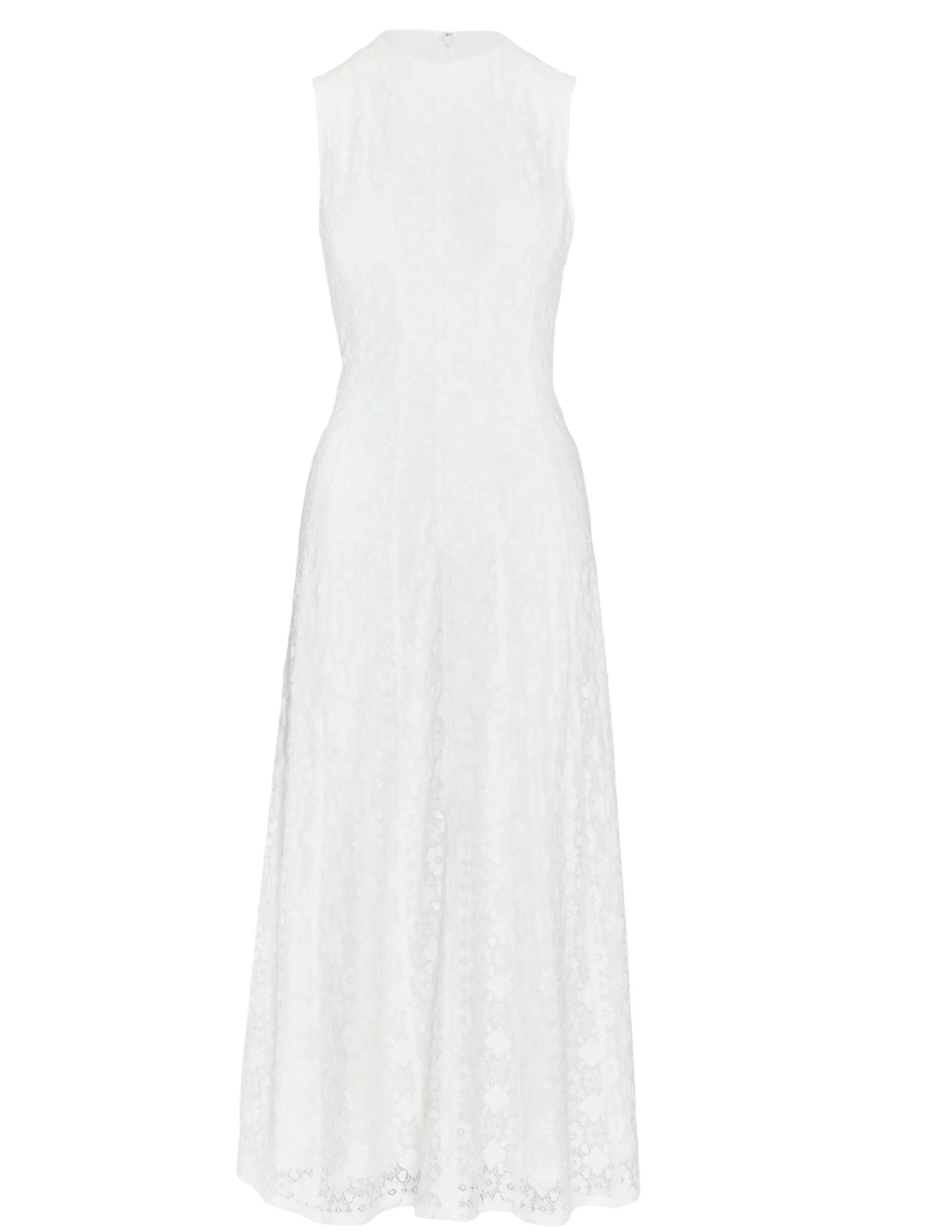
A- line
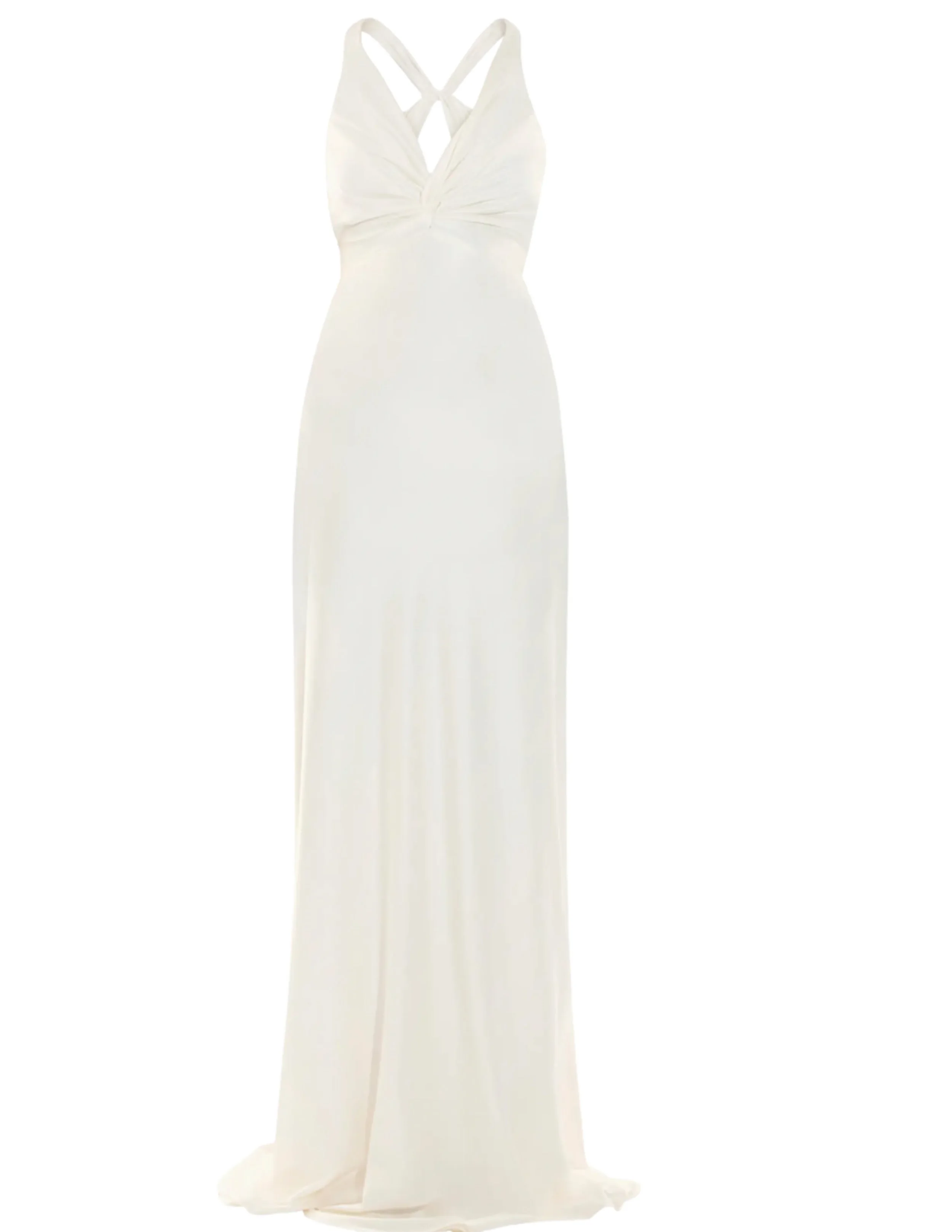
Empire waist line
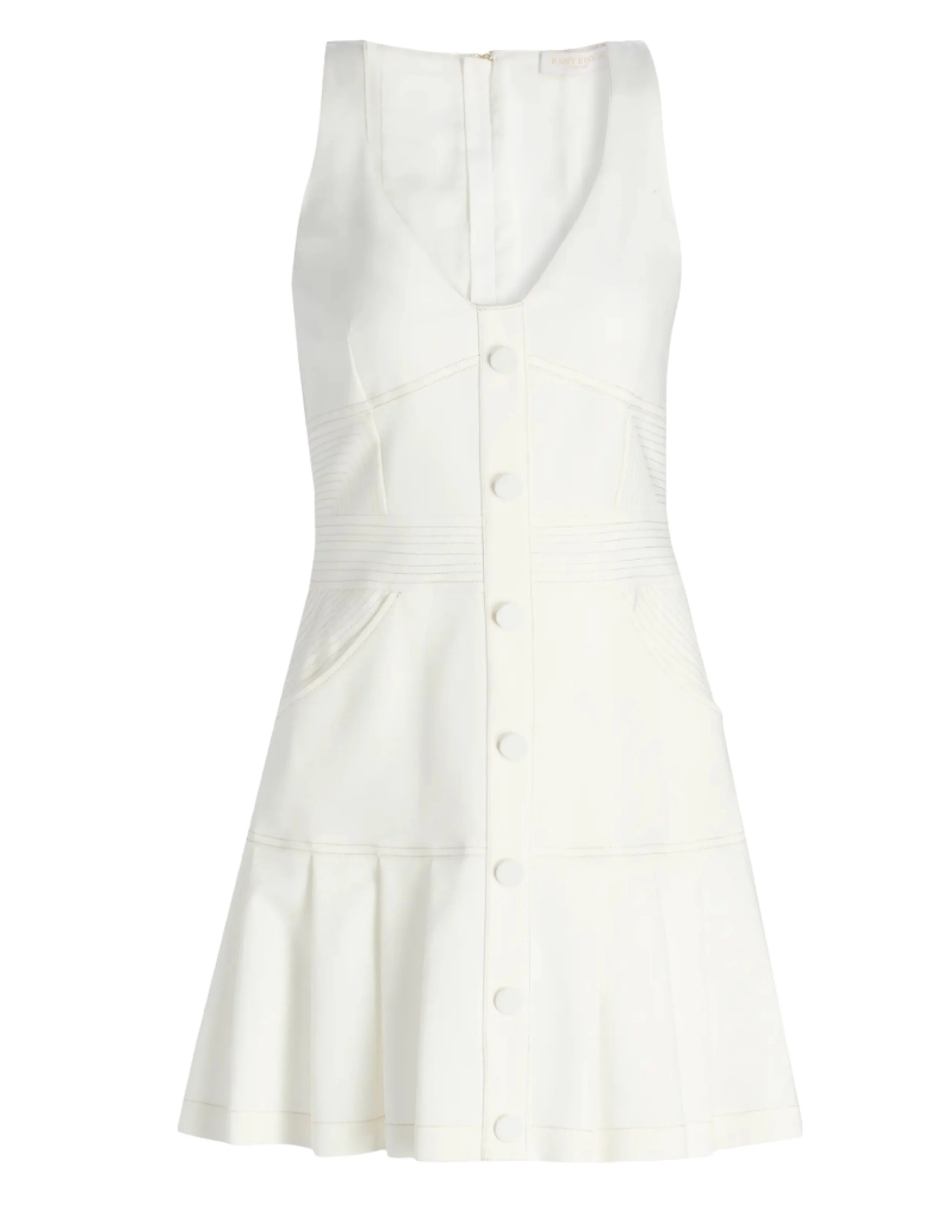
Dropped waist - horizontal line at hip
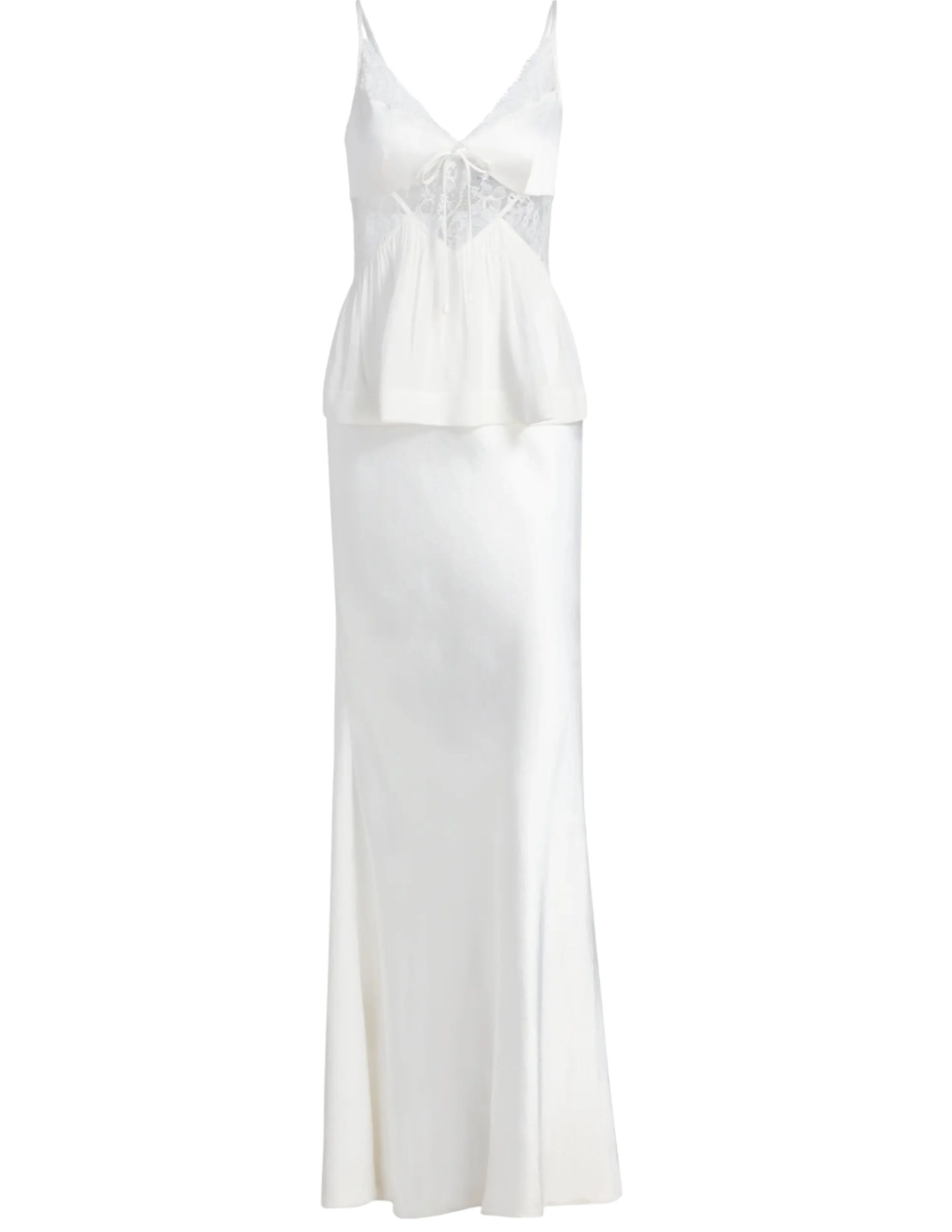
Peplum - Straight cut
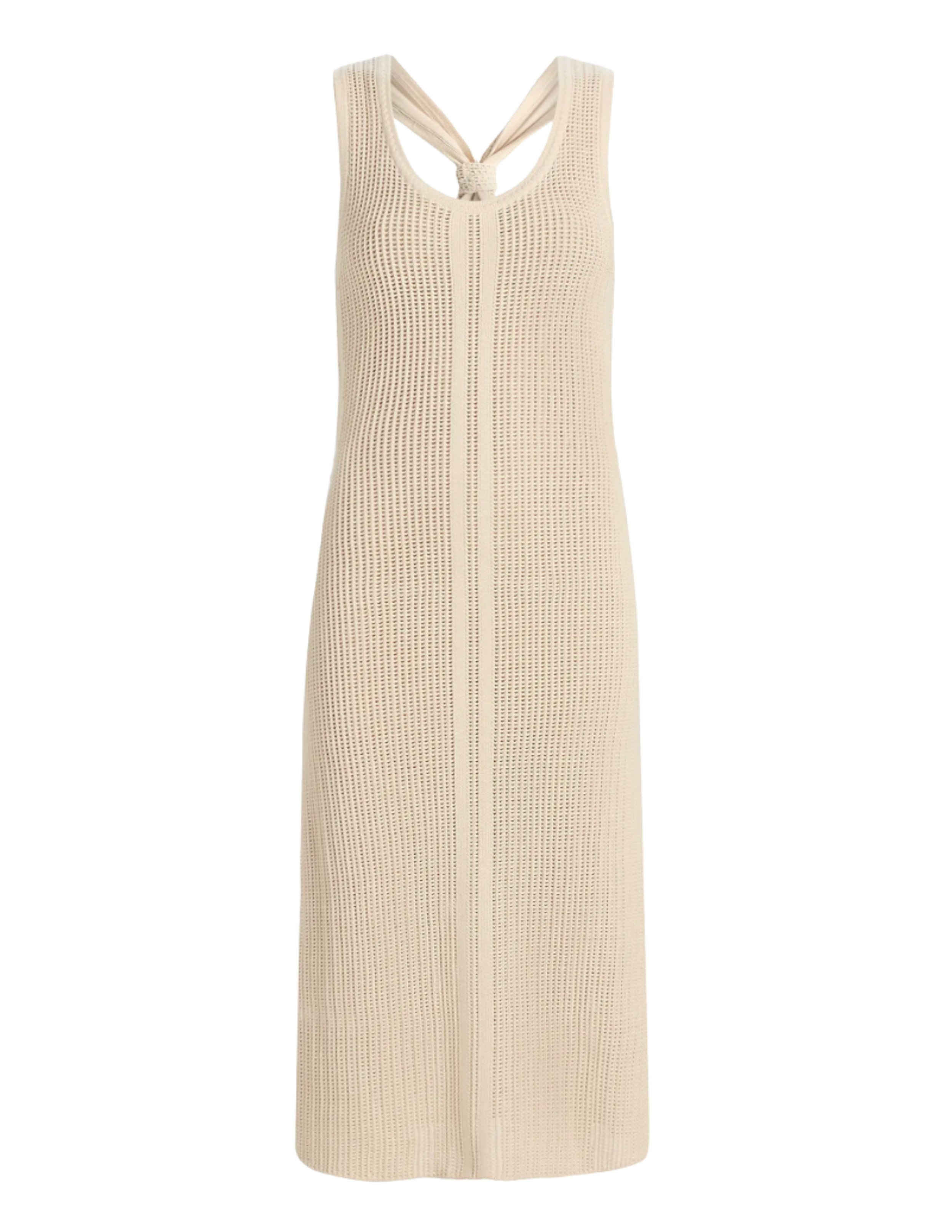
Trapeze - Vertical center line
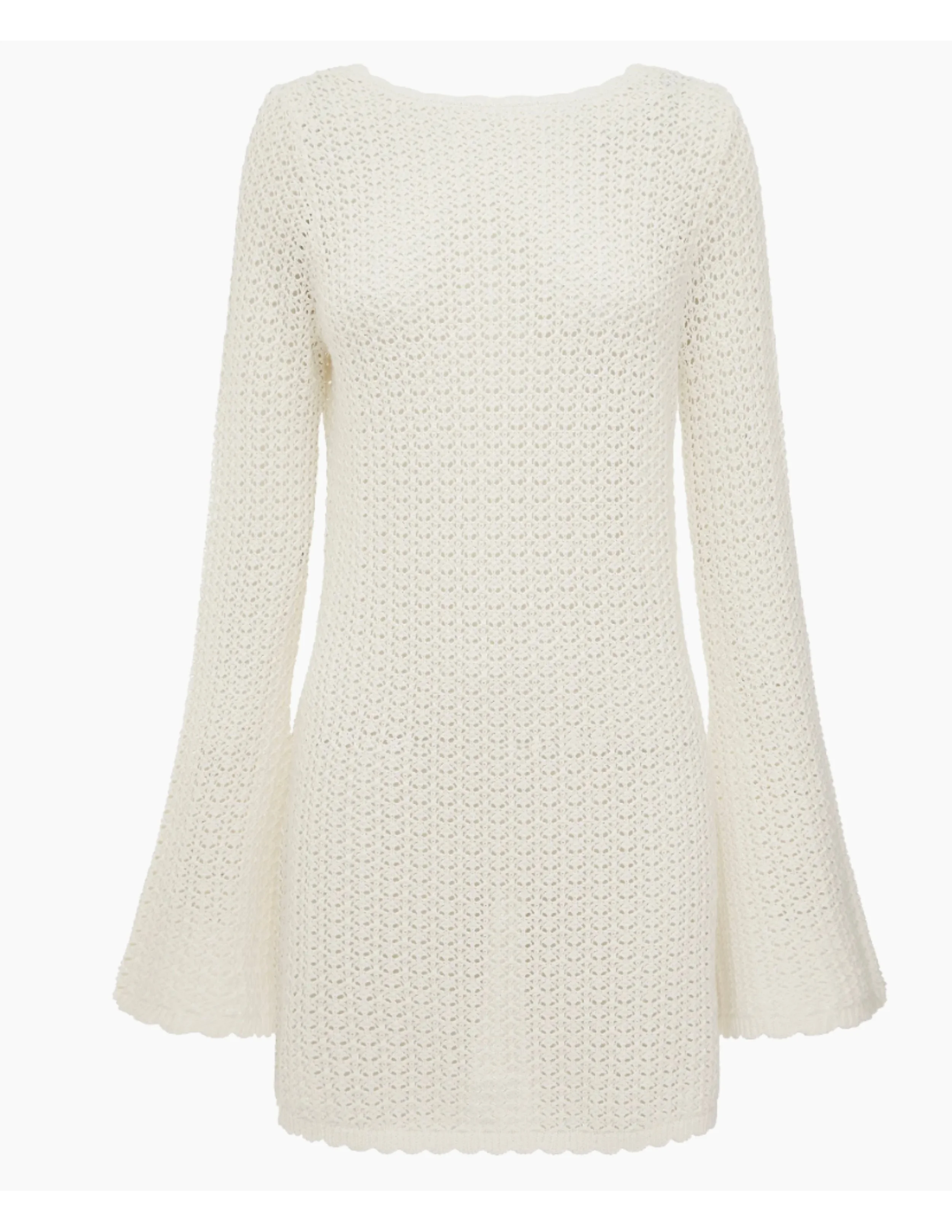
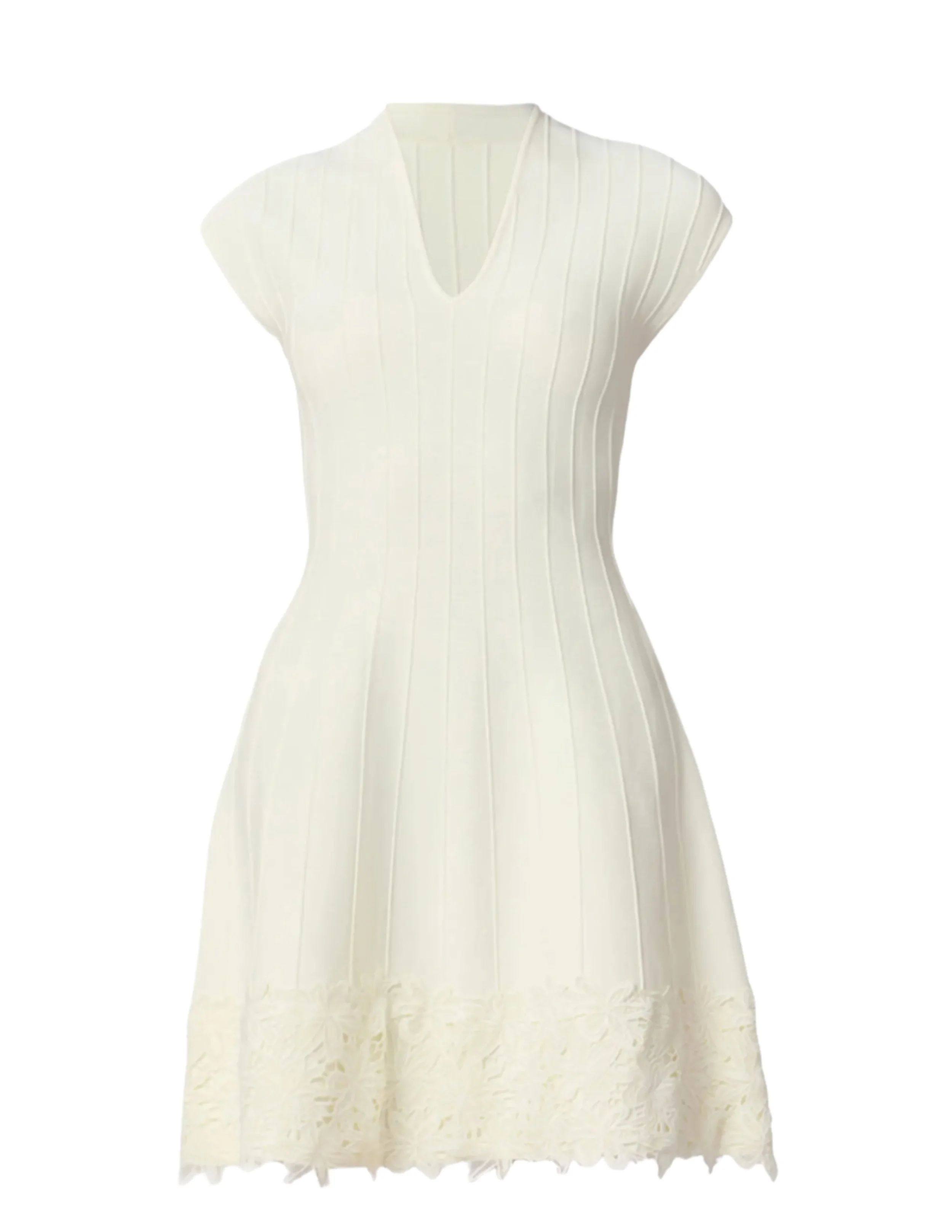
Princess Silhouette - Vertical Lines
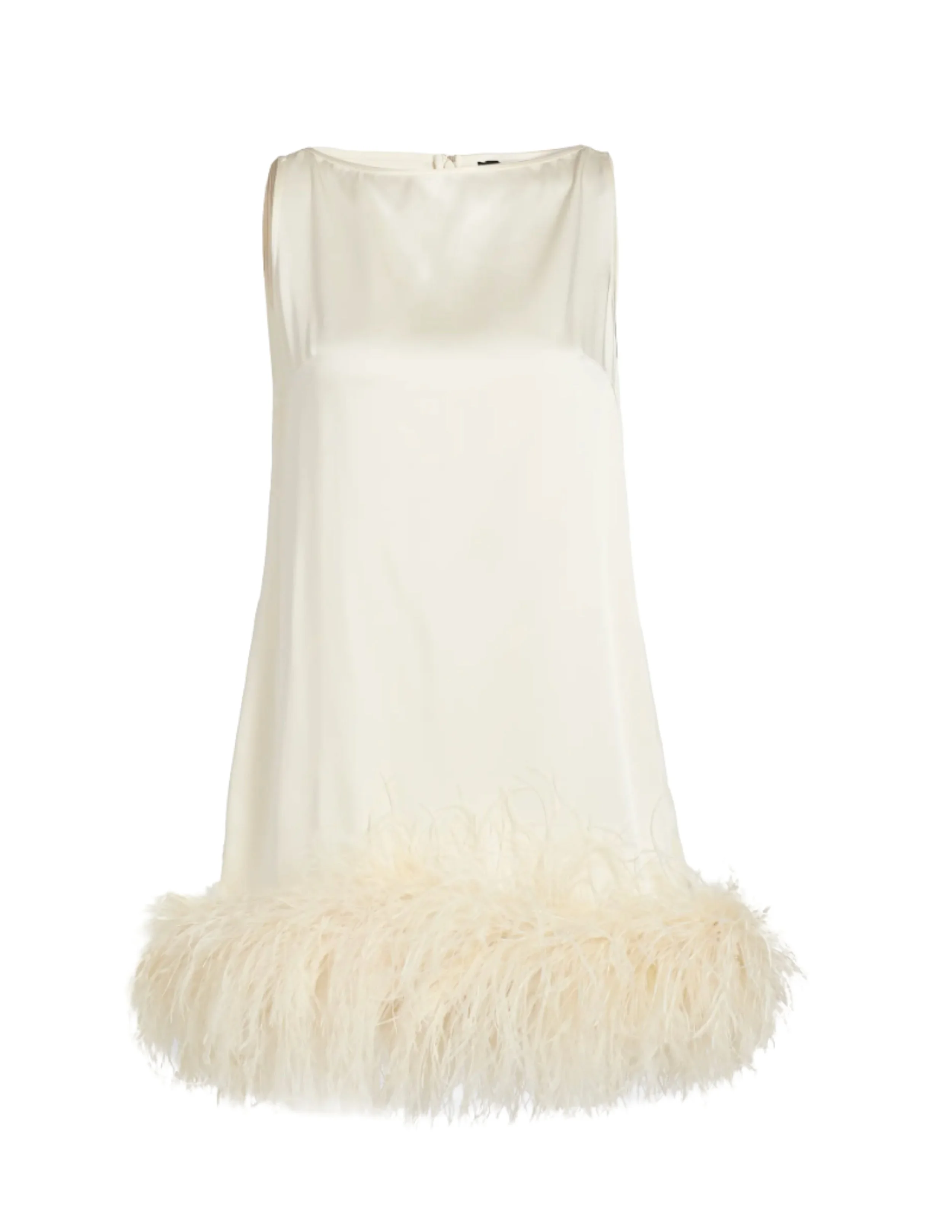
Straight Cut -Dropped waist
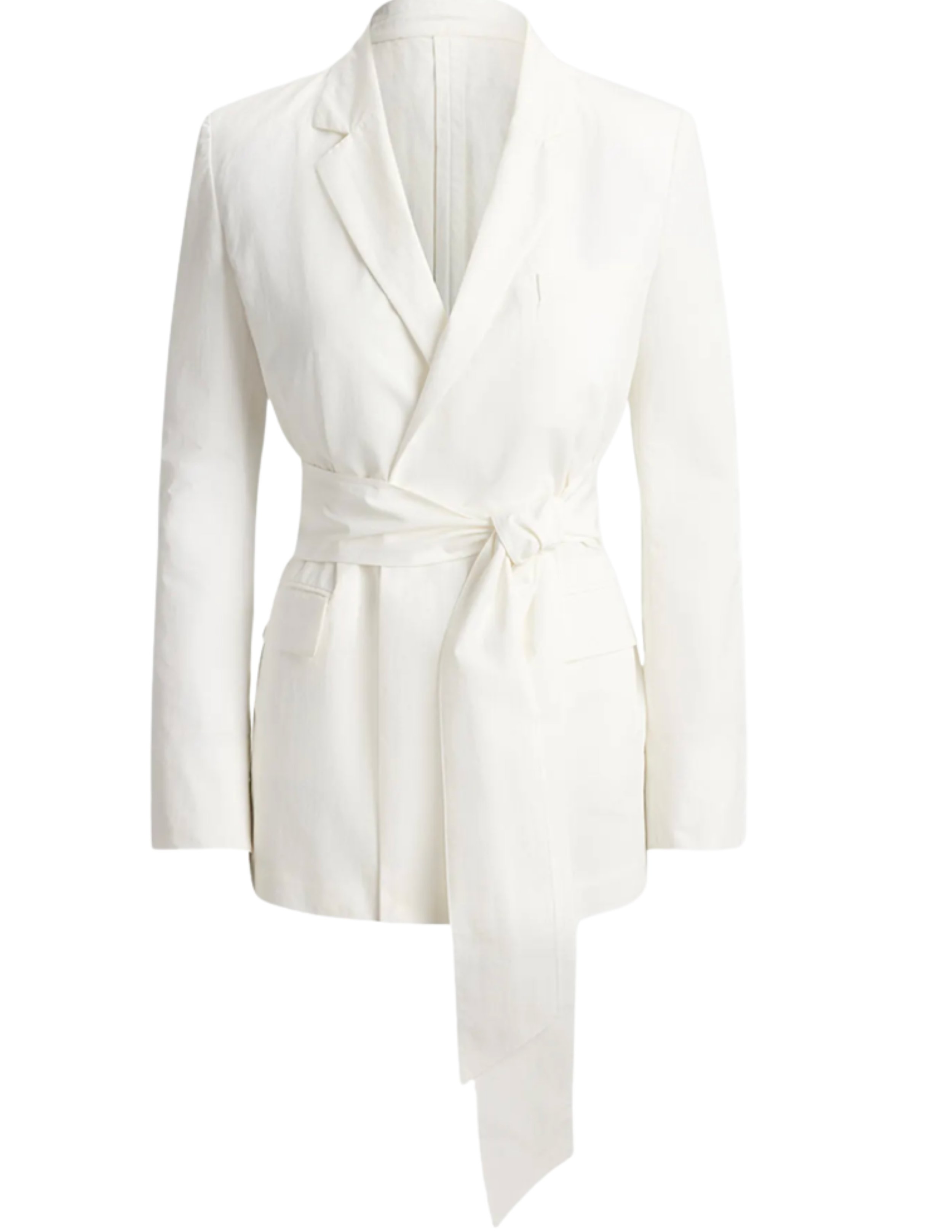
Hip flap pockets, Belted waist Hip length
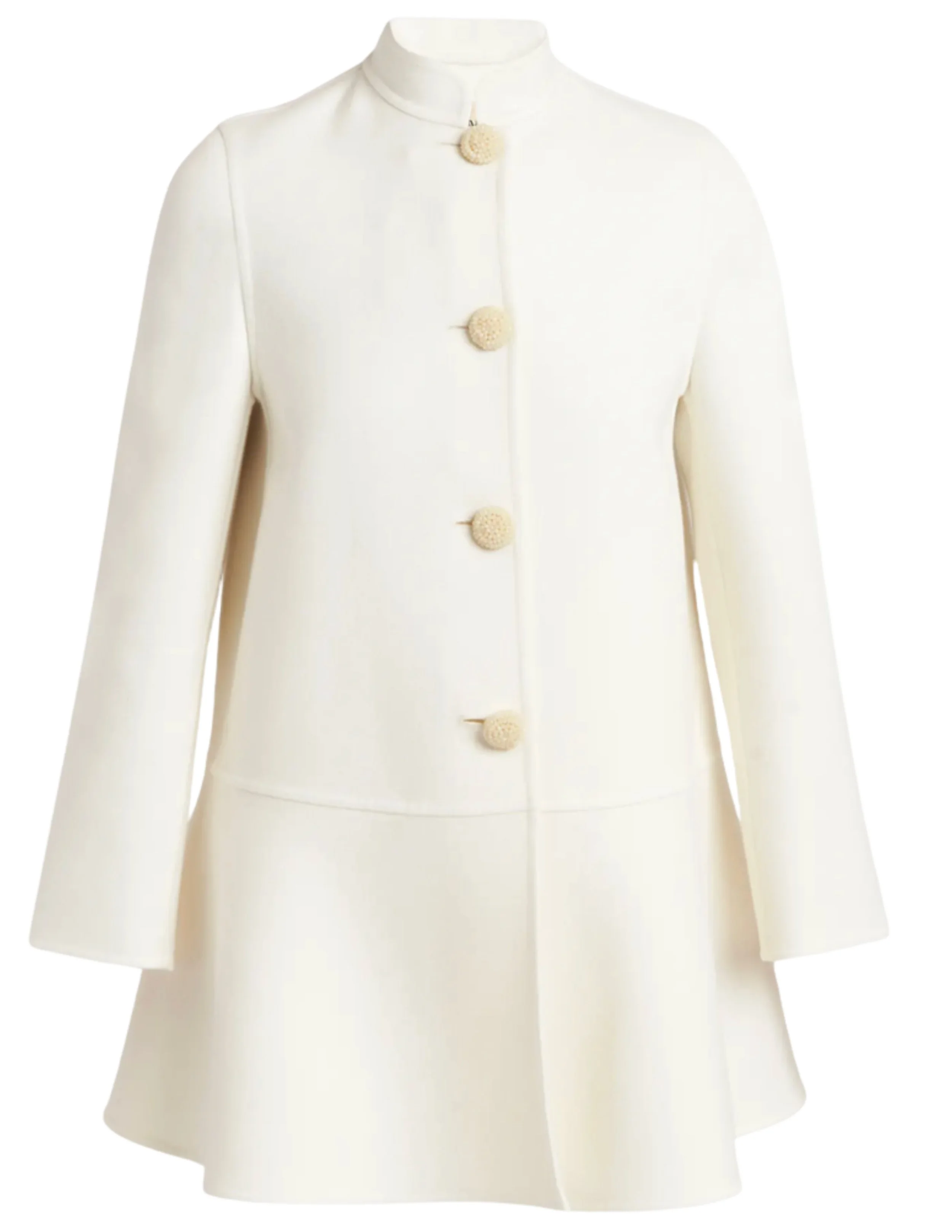
Tent - Horizontal hip line
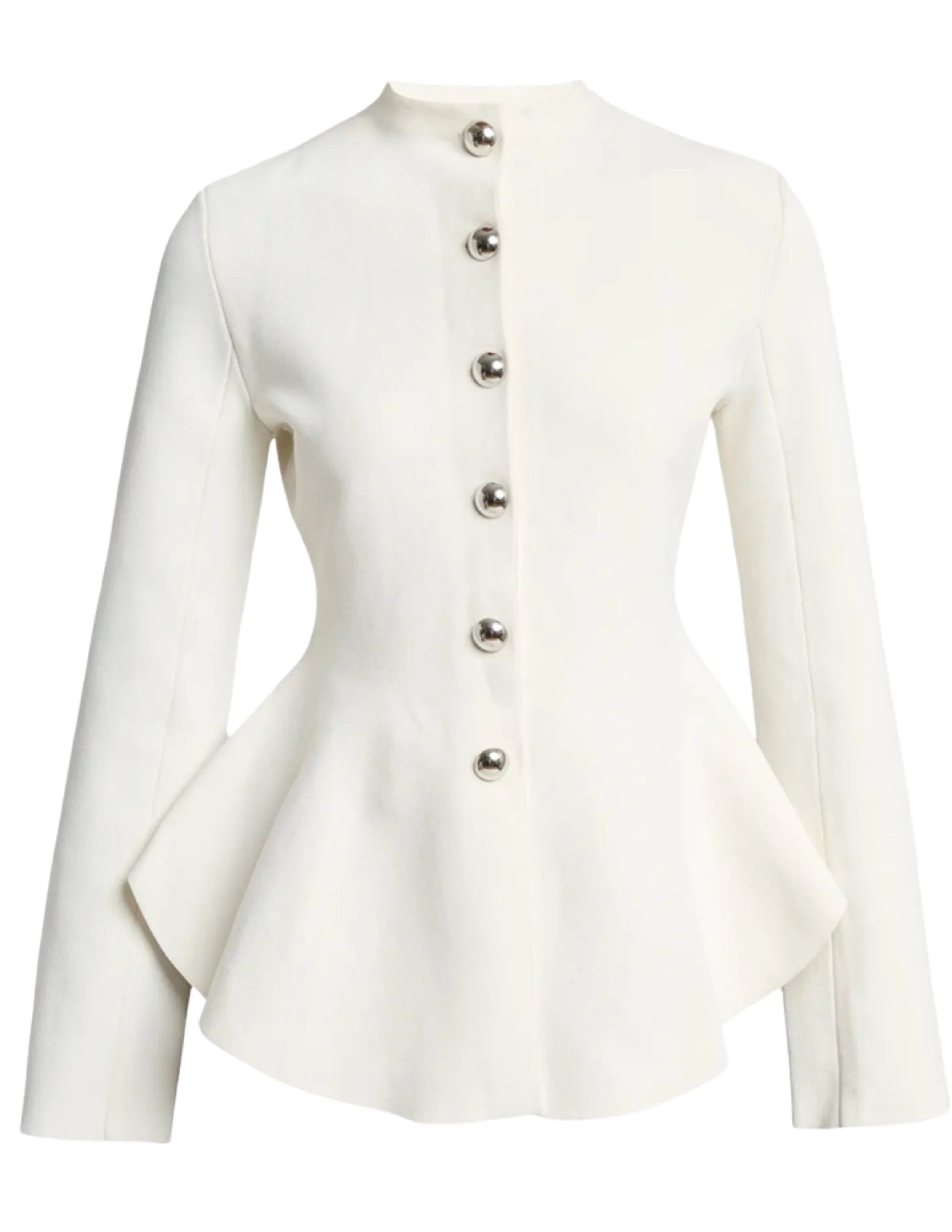
Peplum - Curvy hip line
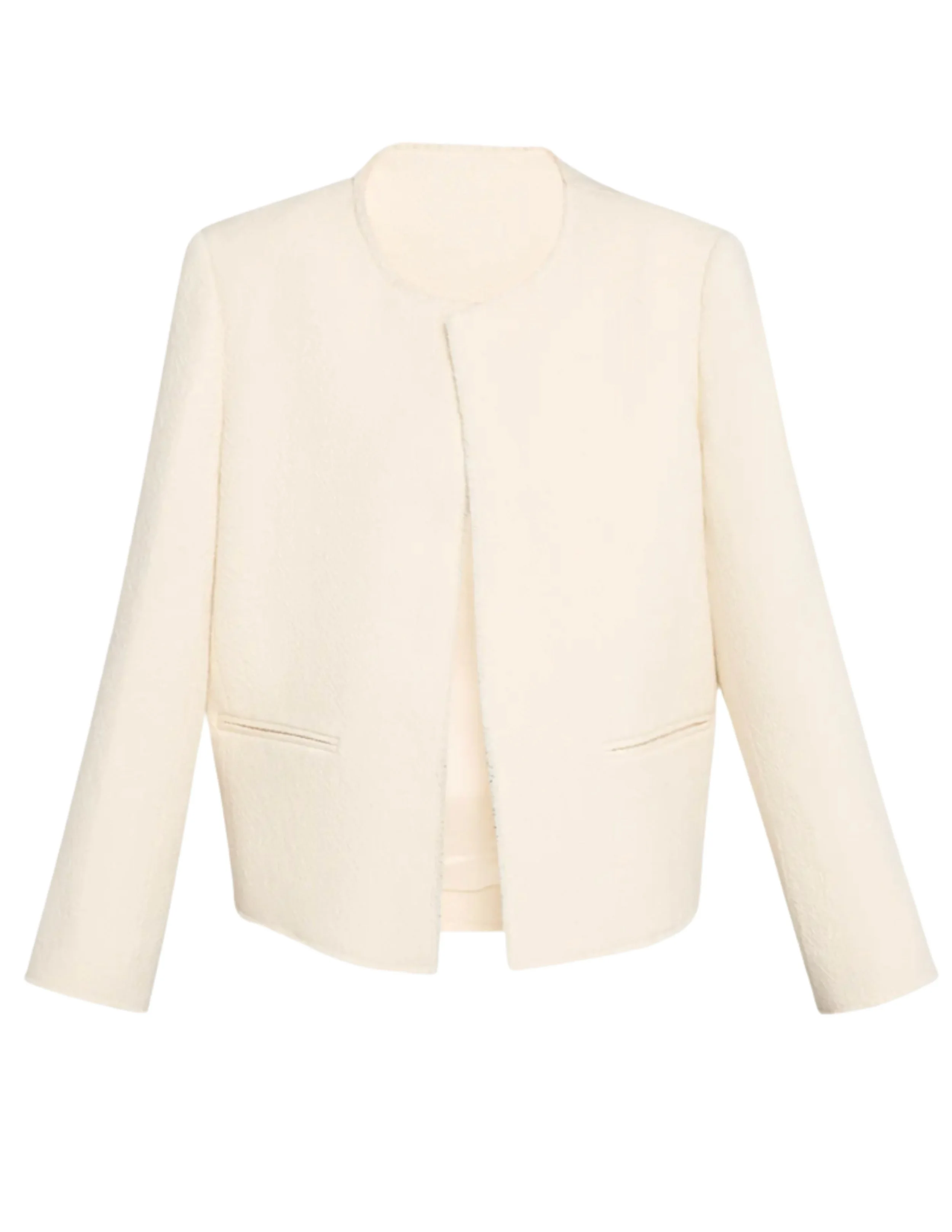
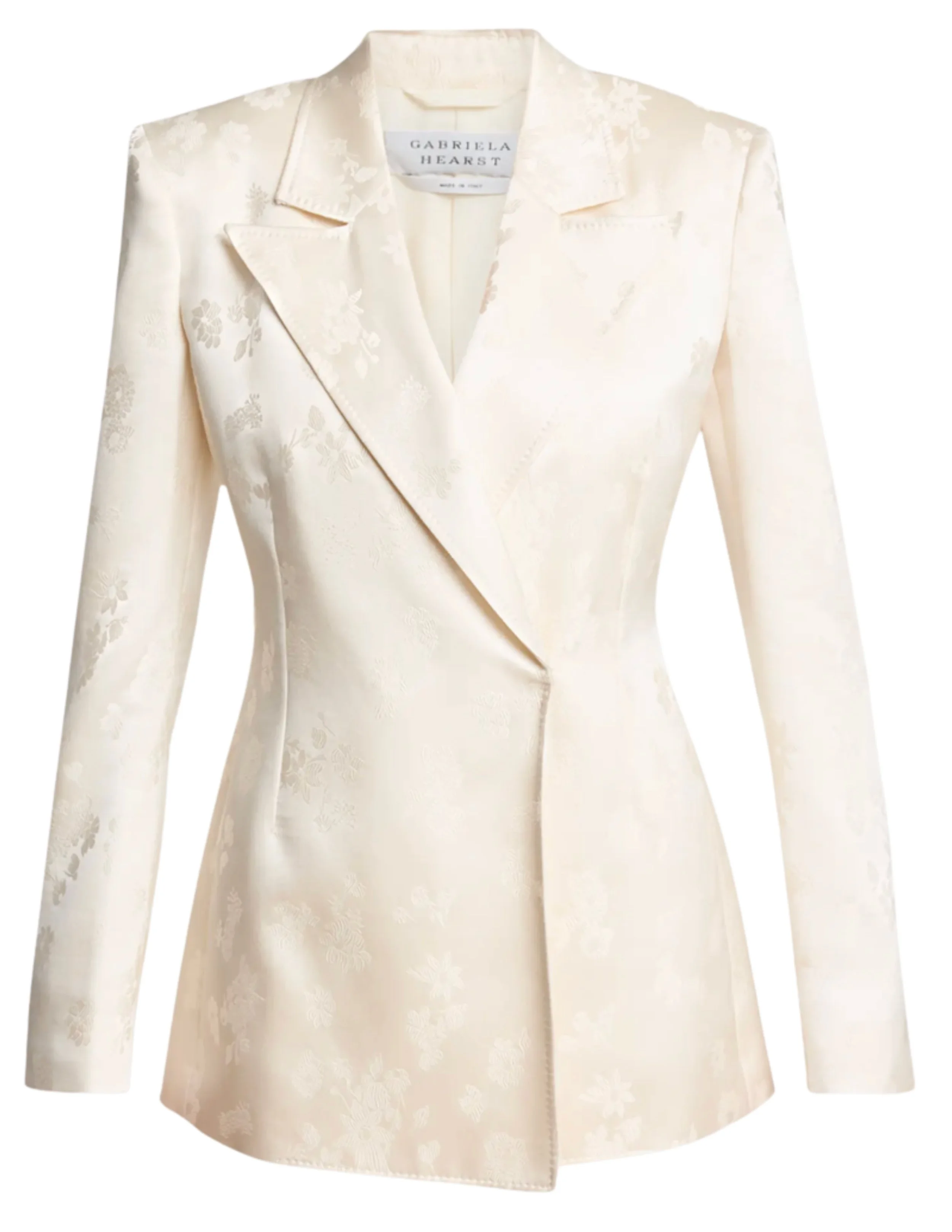
Angular Frontal lines
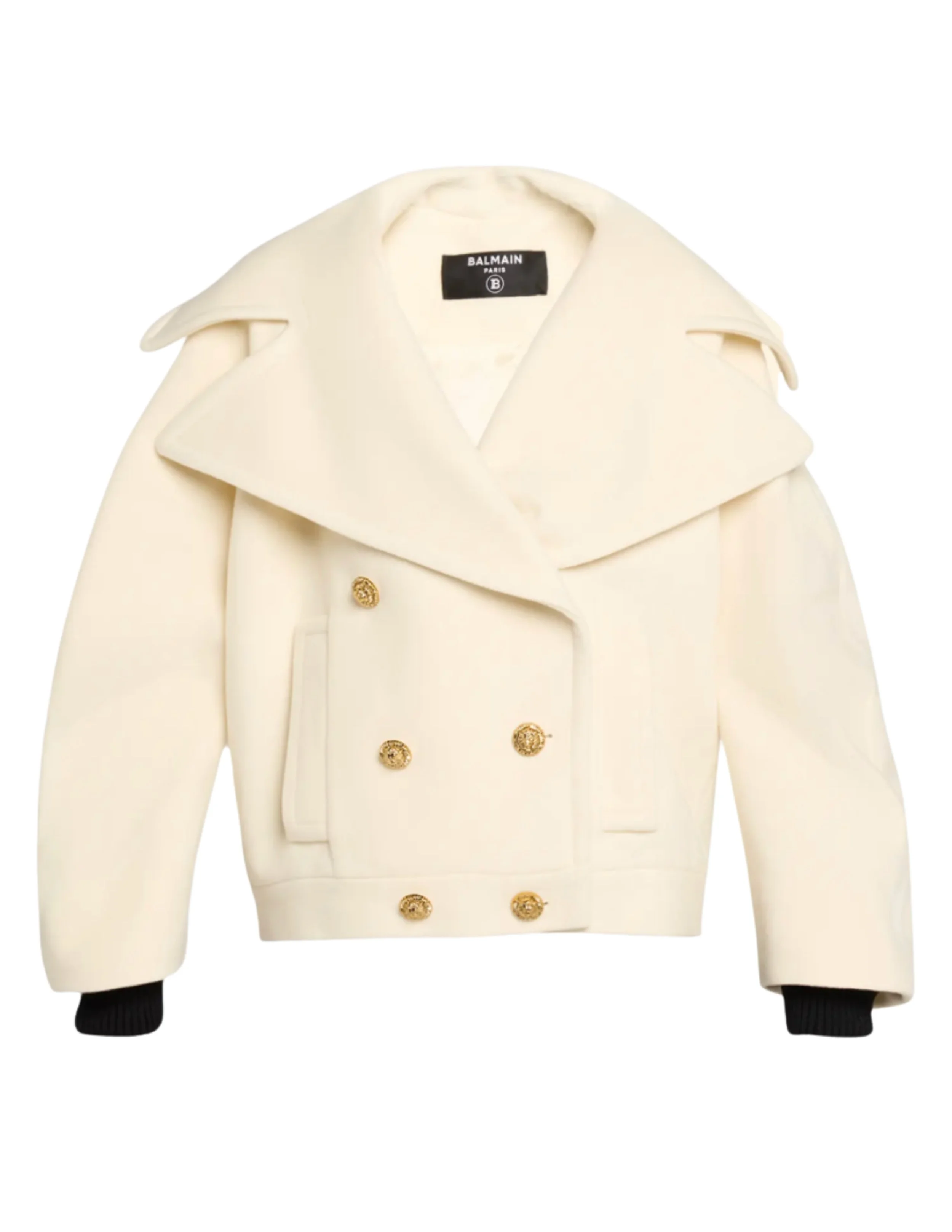
Double- breasted - Oversized fit
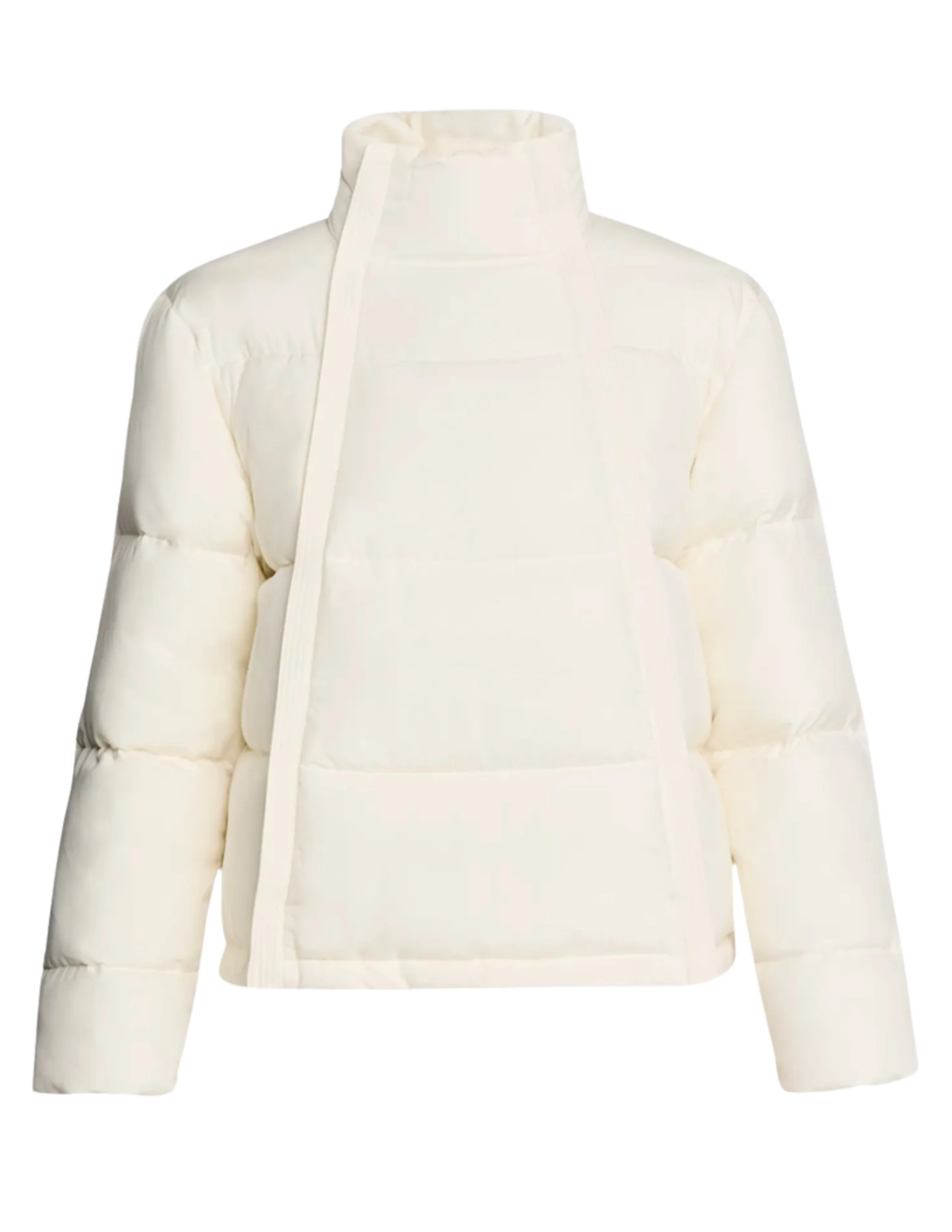
Straight Cut - Angular frontal Line
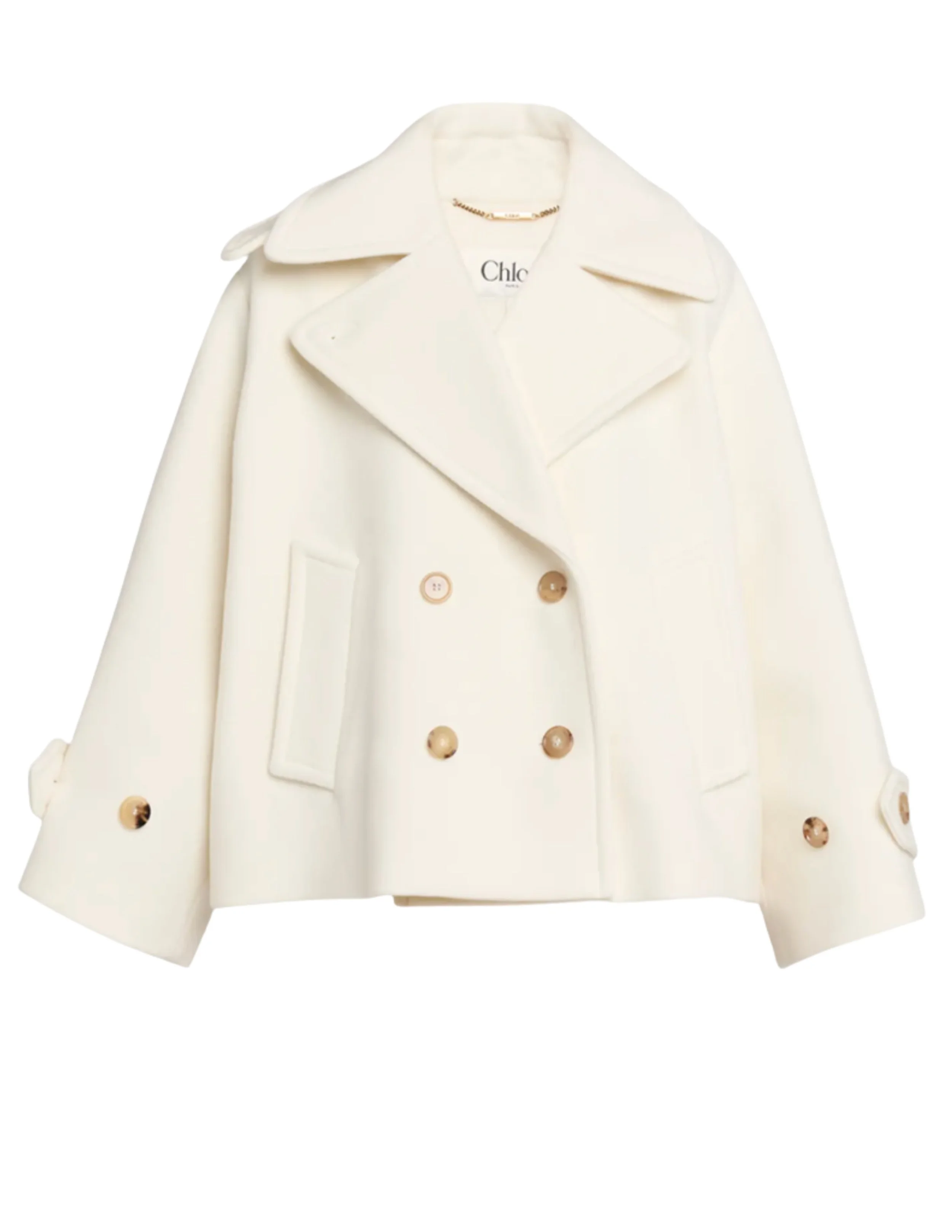
Tent silhouette
Rises - Fit
Fabric & Fit Direction
Invest in medium-weight fluid fabrics
Structured fabrics should still allow movement
Fitted silhouettes should contain slight stretch for comfort and body harmony
Avoid overly stiff or restrictive materials
Fit & Detail Placement
Mid to high rise should fit loose
Volume and visual interest should be concentrated on bottom pieces
Apply:
Pleats
Pockets
Prints
Texture
Statement details
to the lower body to create balance and harmony
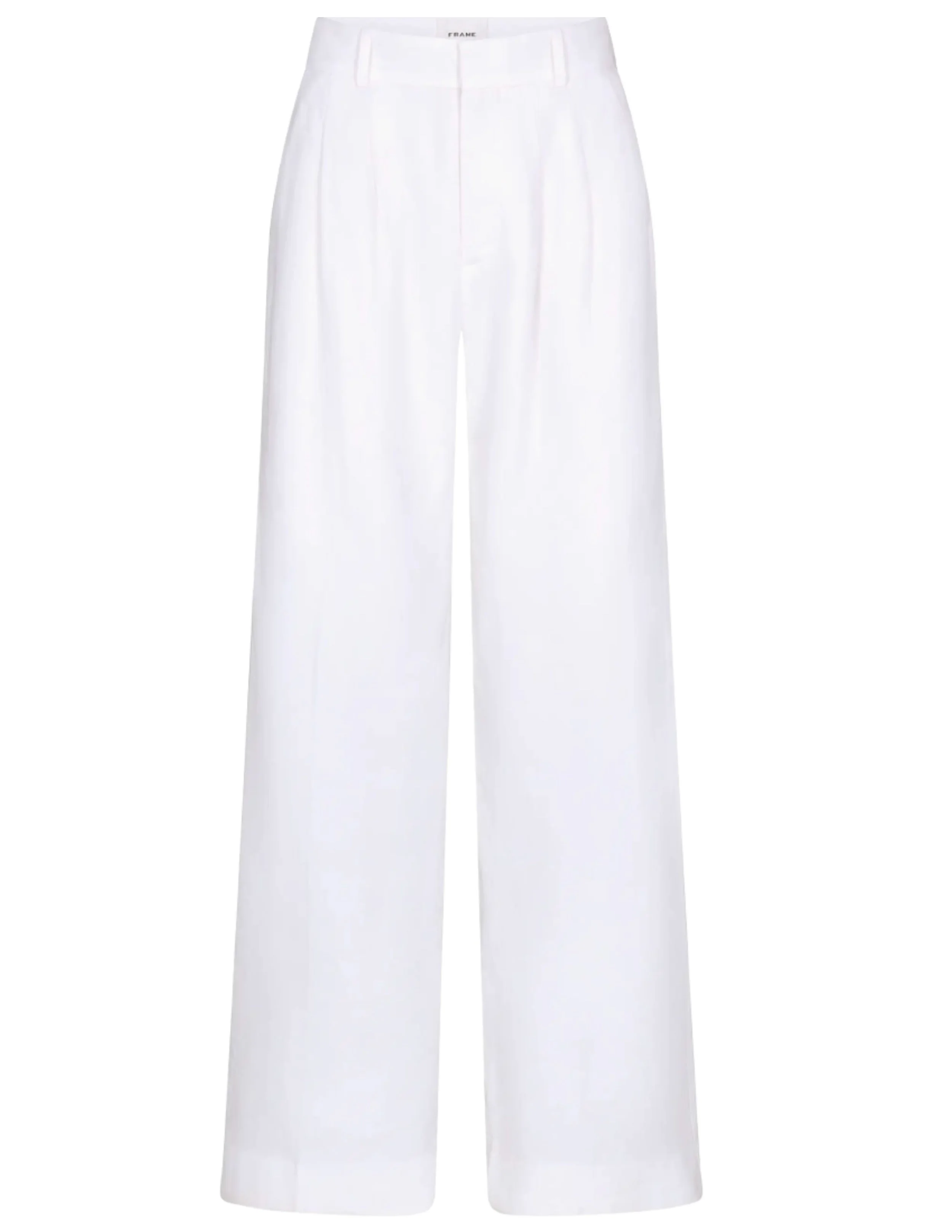
Front Pleats
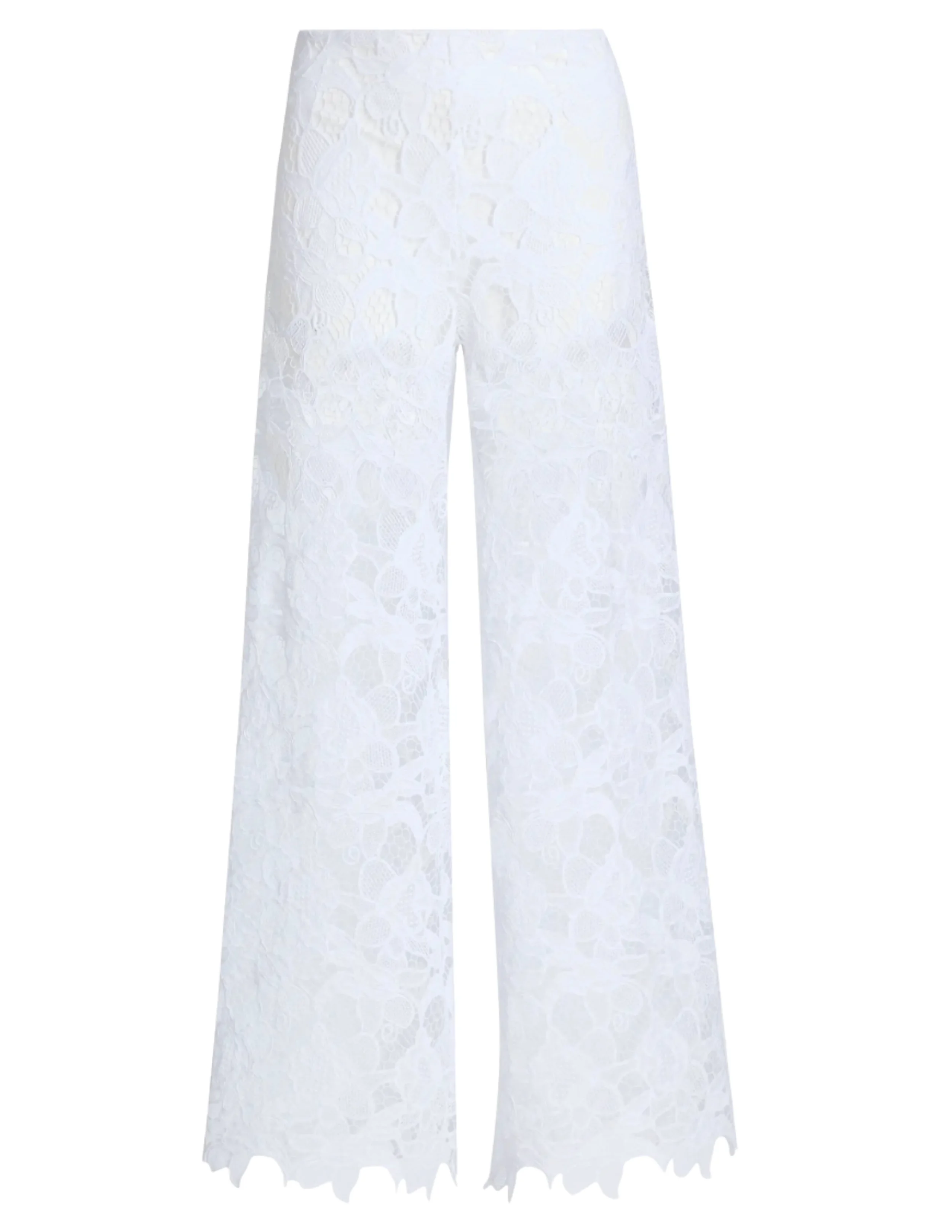
Textured fabrics
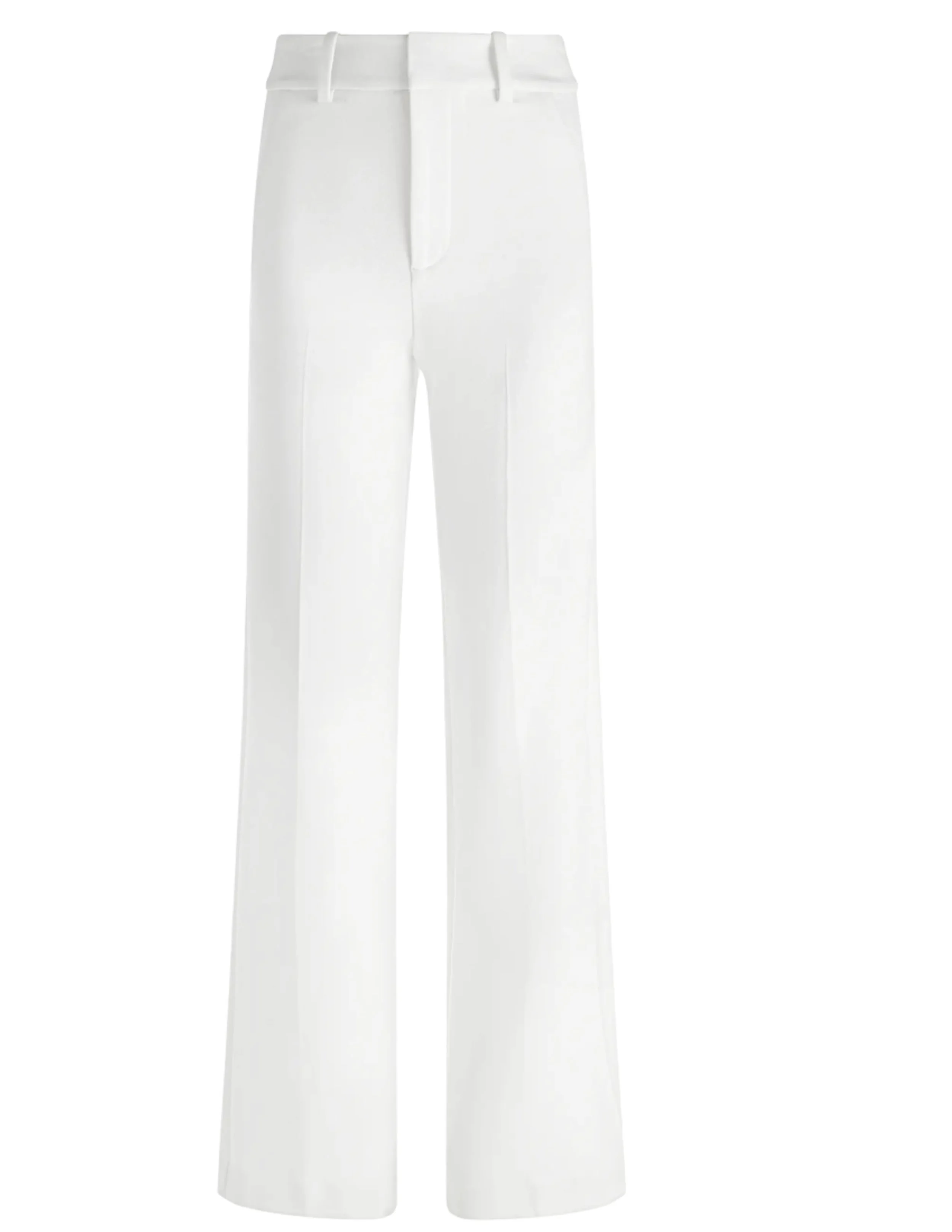
Straight Leg
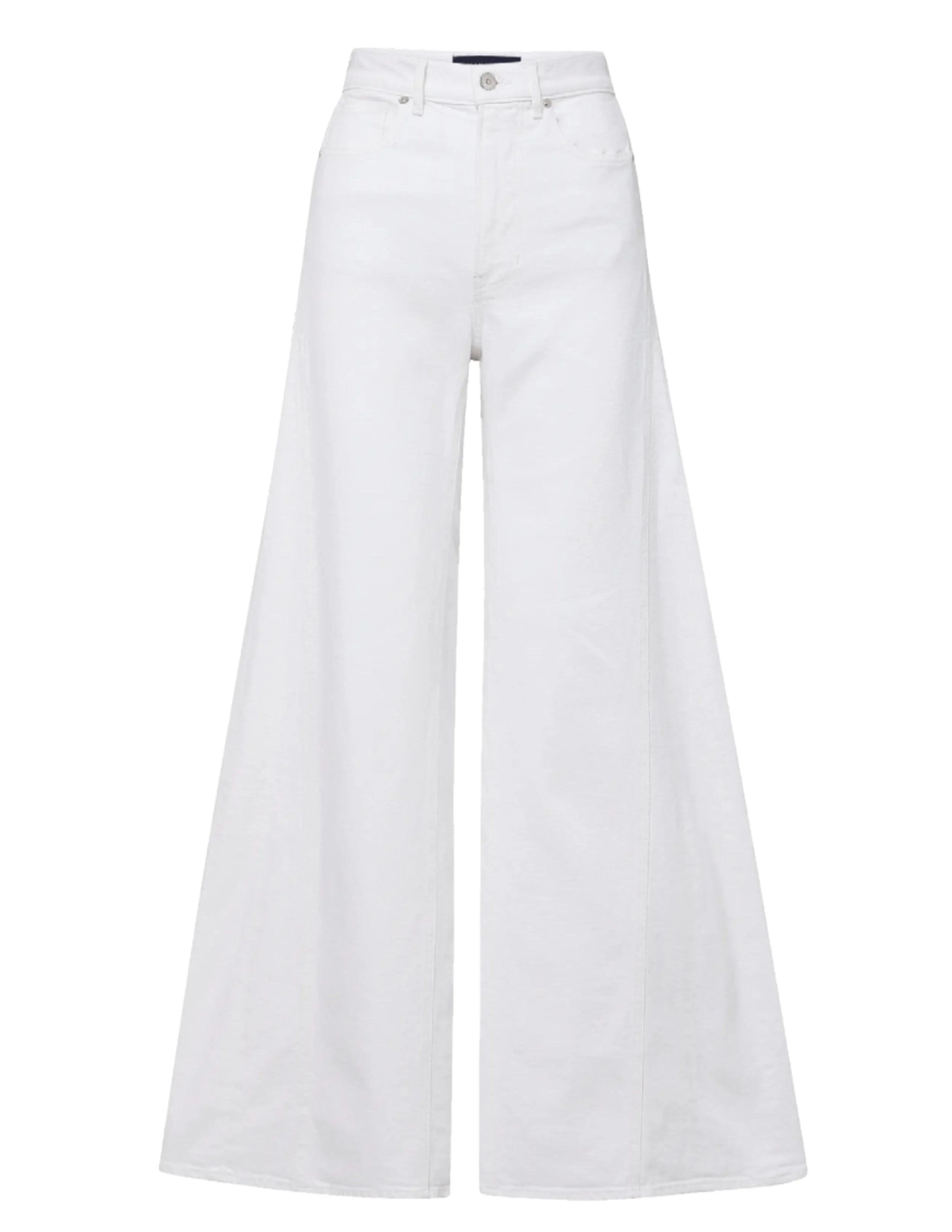
Extra Wide-Leg
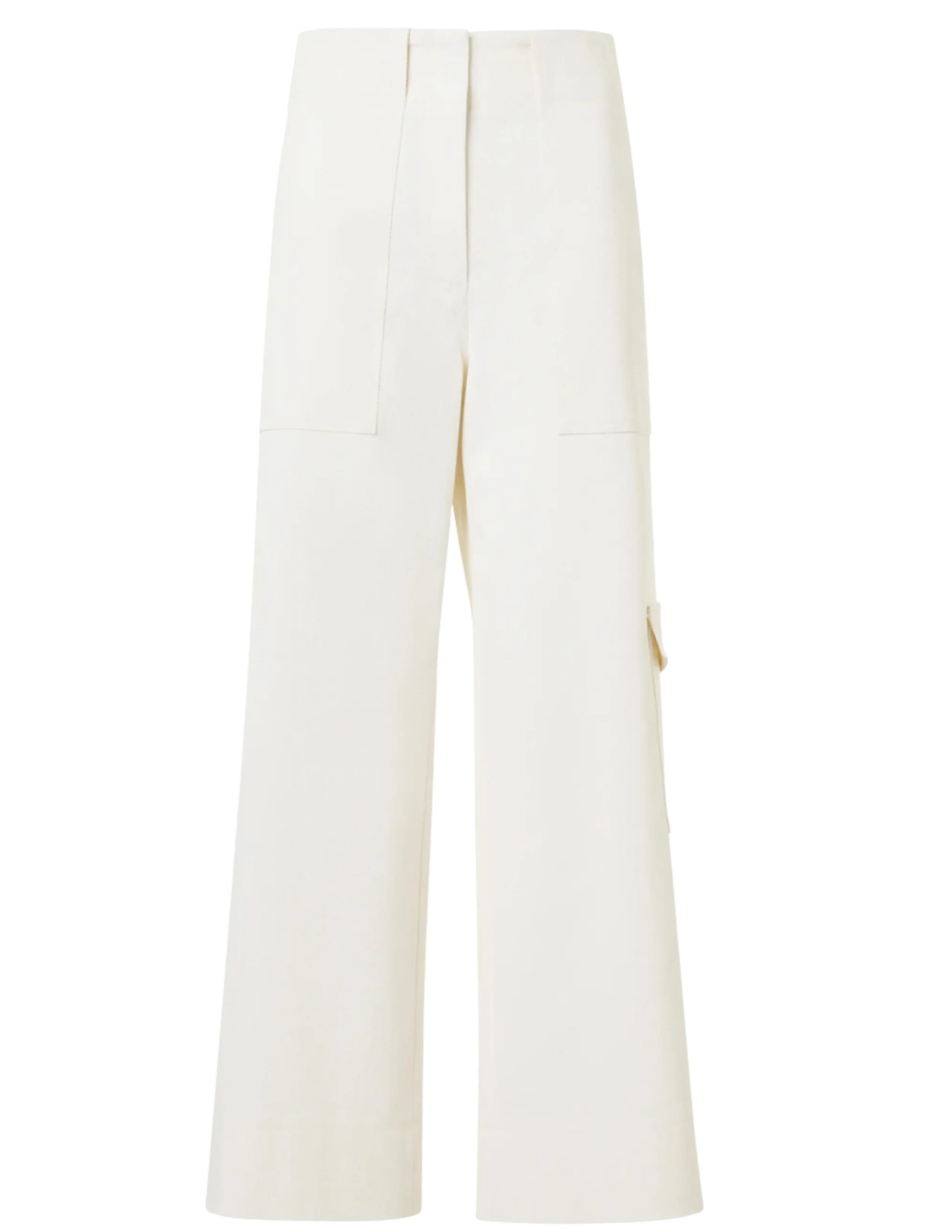
Cargo Pants - Side Pockets
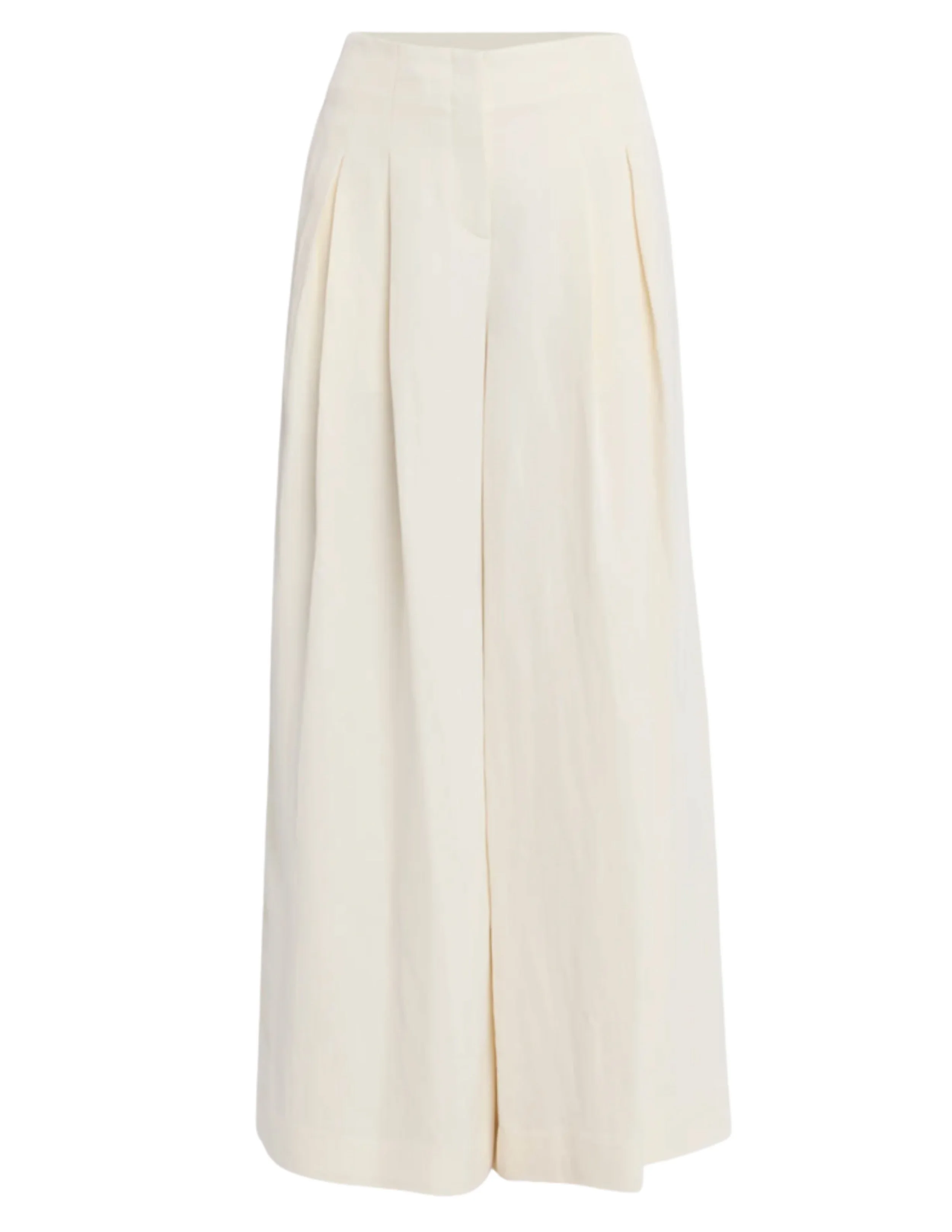
Flowy pleats
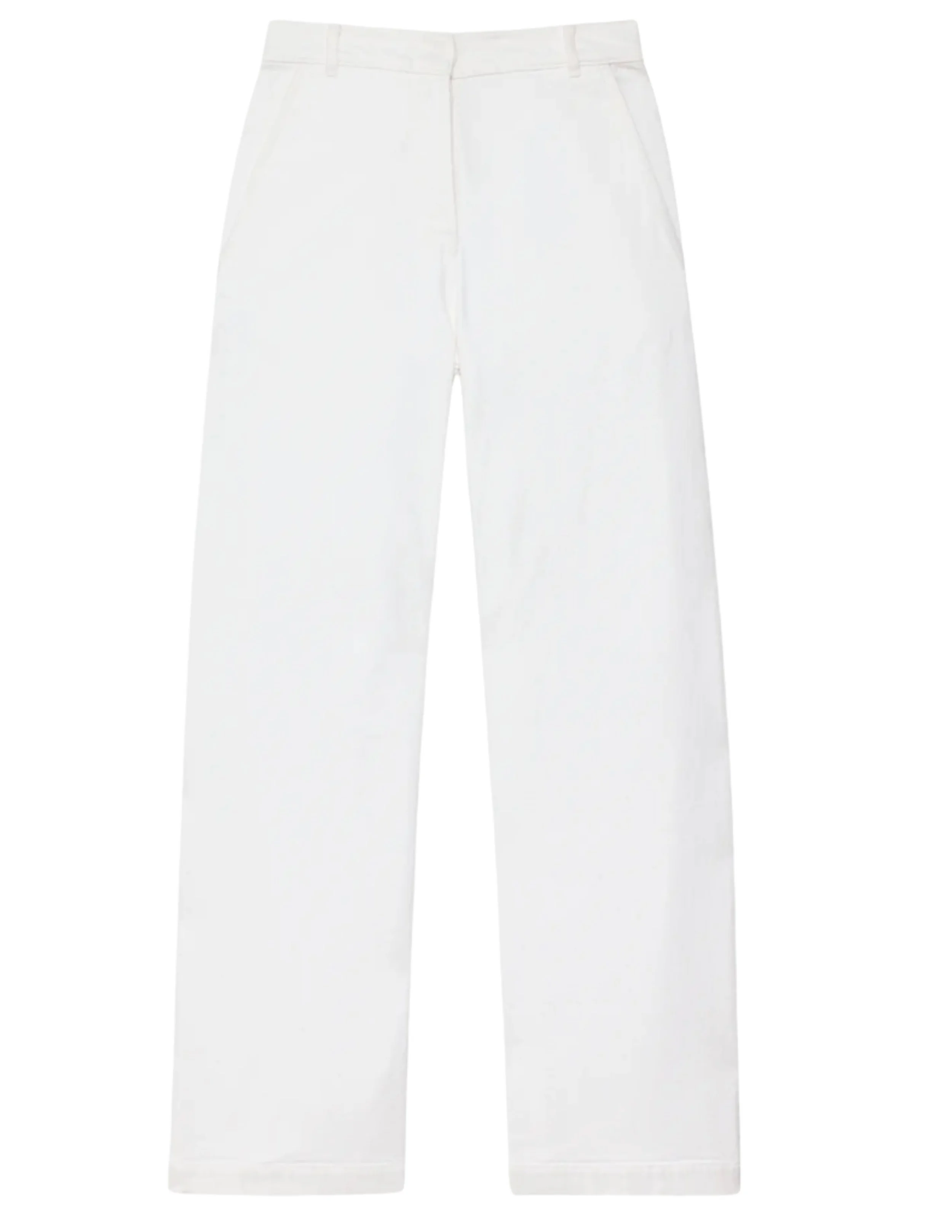
Mid Rises
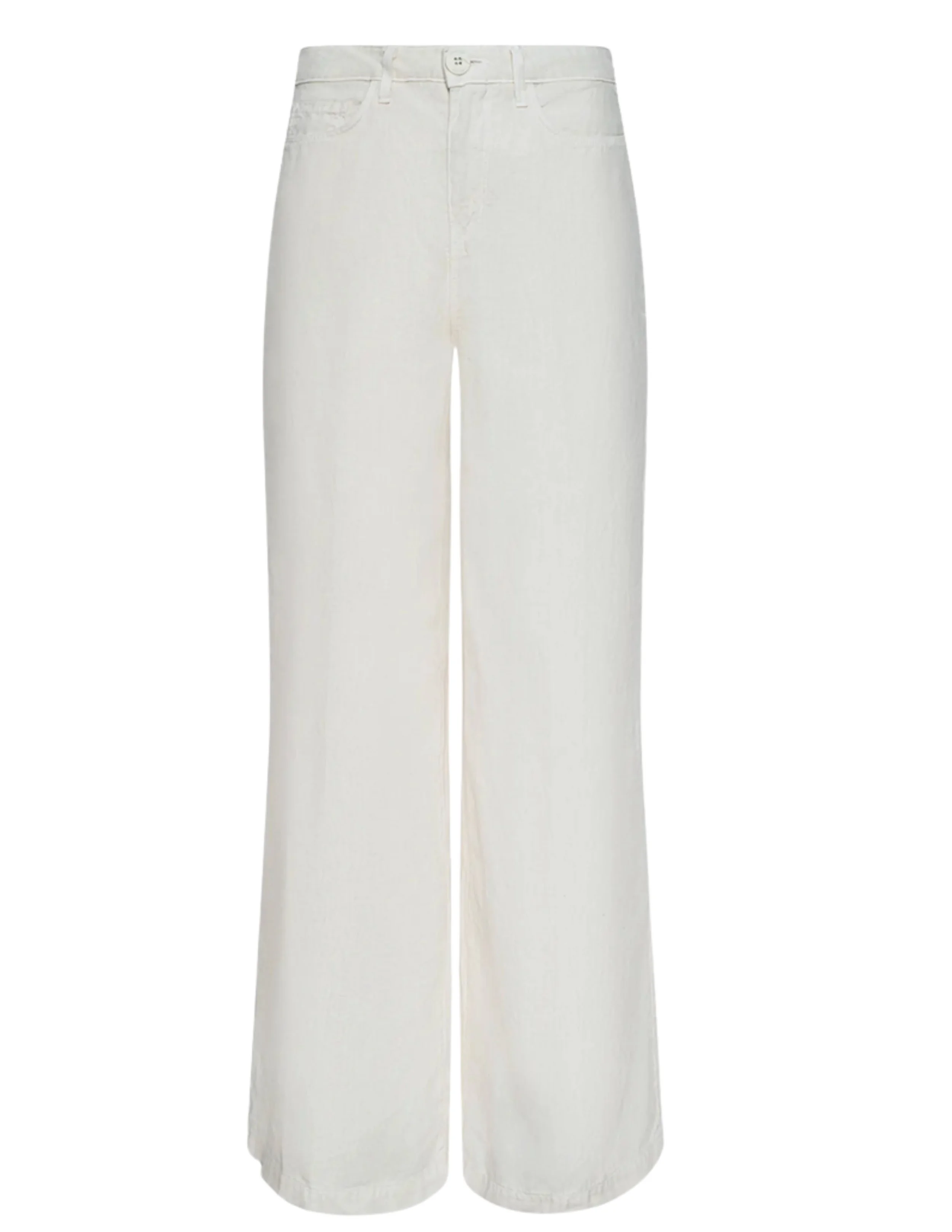
Fluid Fabris
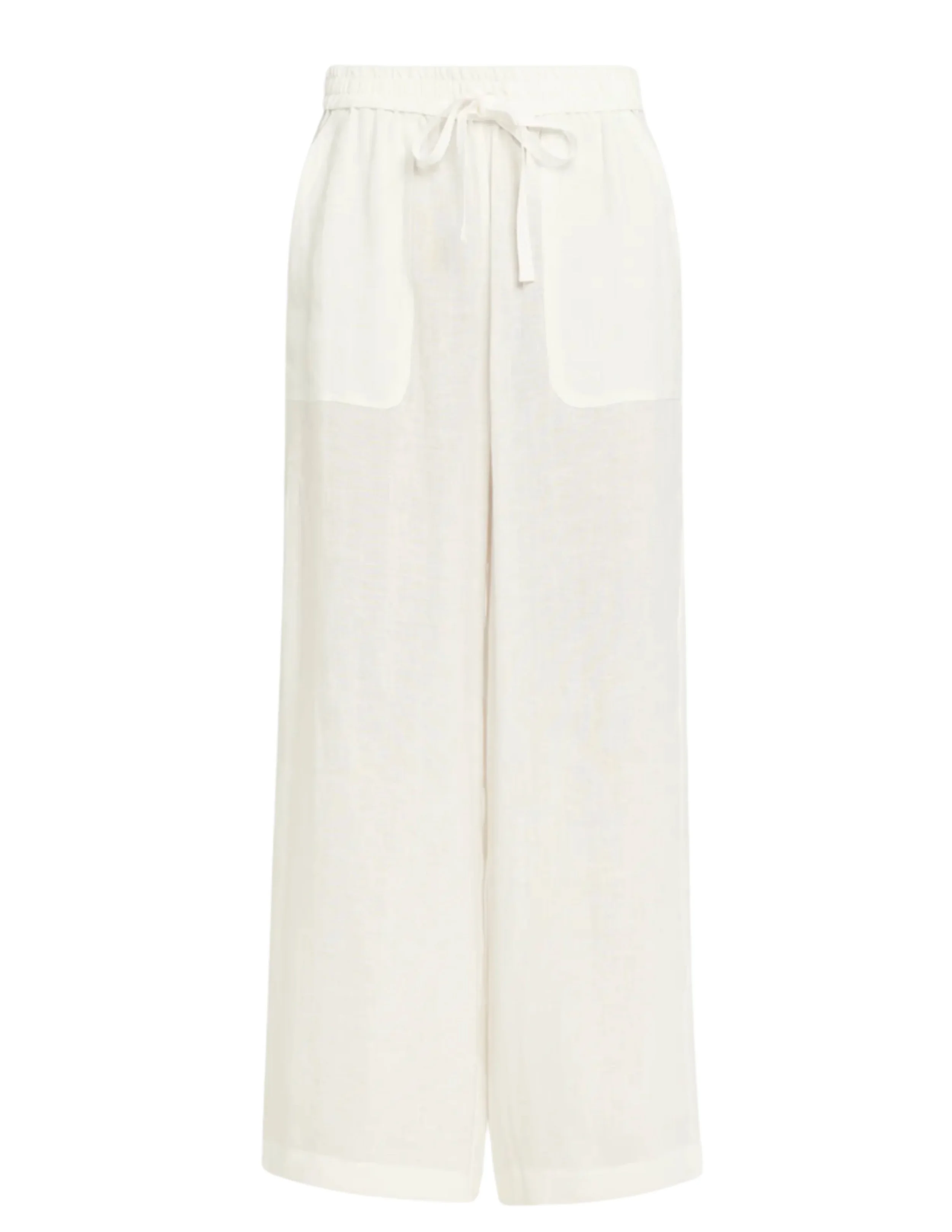
Front patch pockets
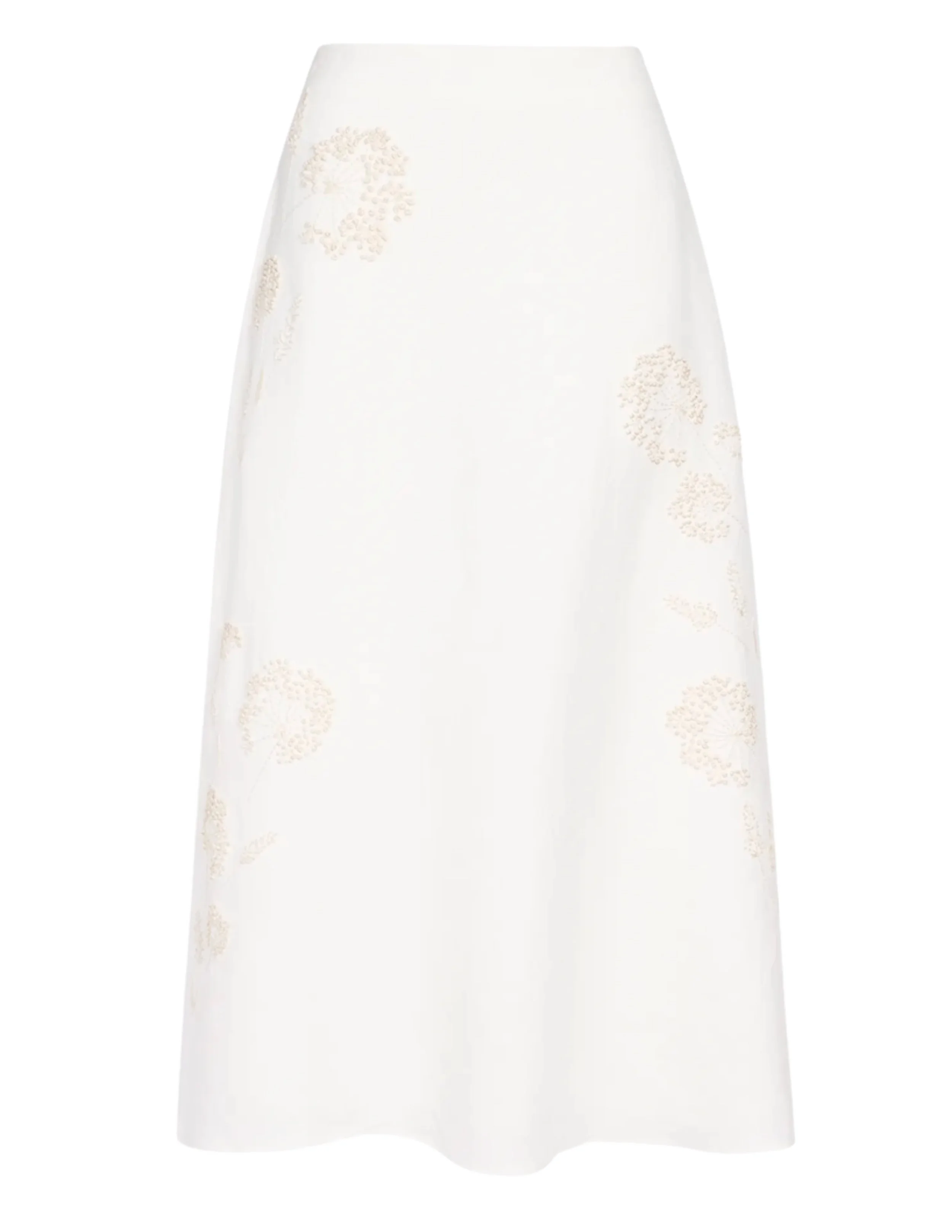
A - line Side details
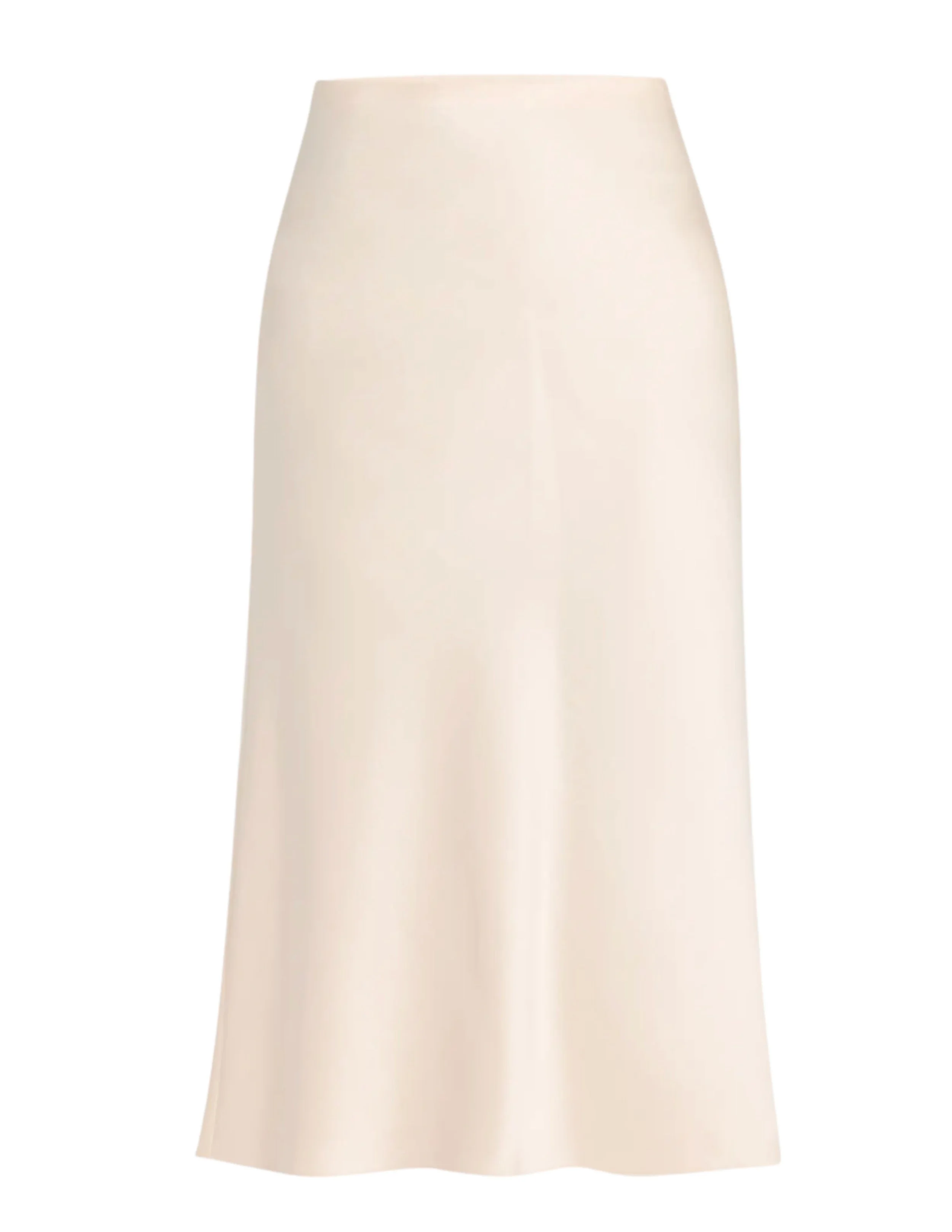
Straight lines Always pointing out not inwards
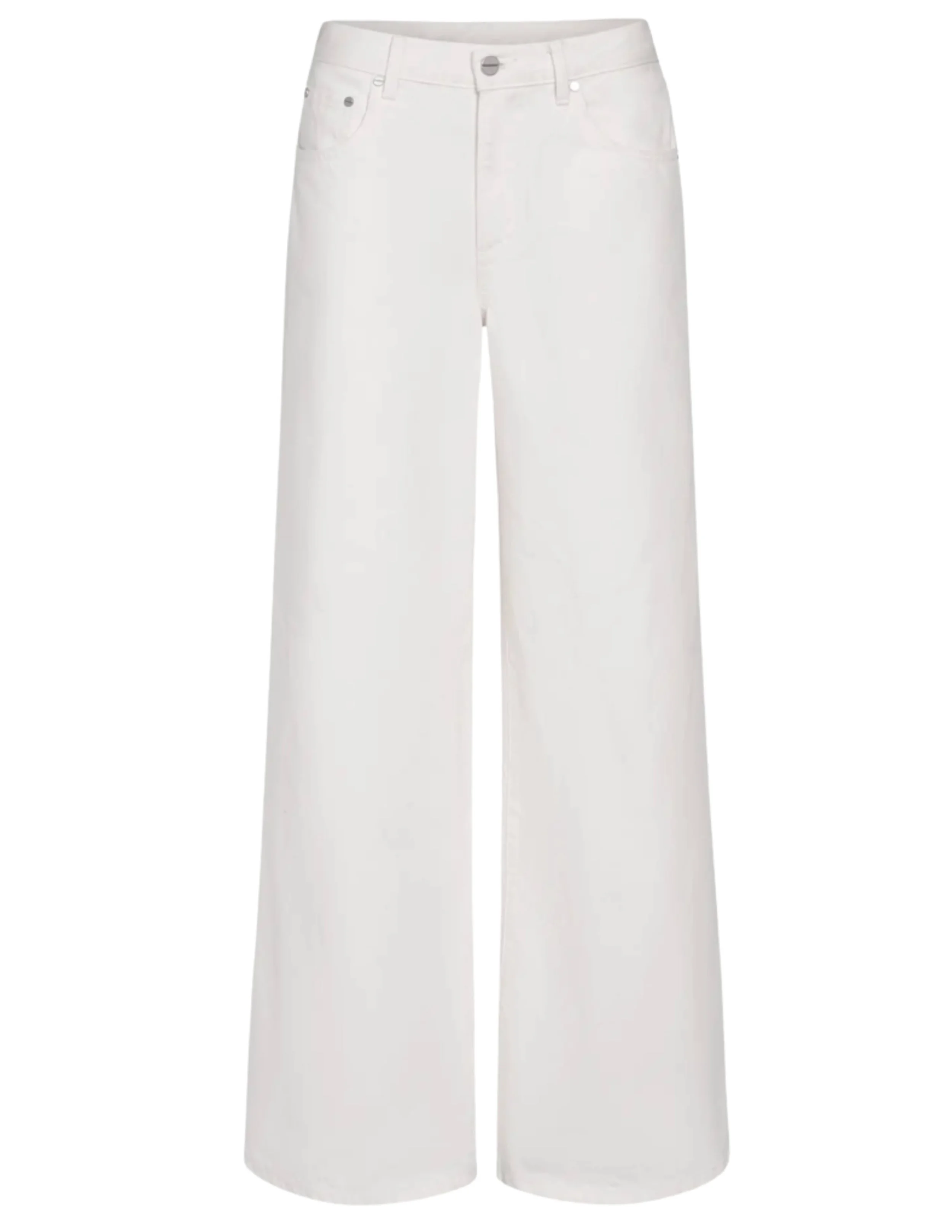
Extra long length
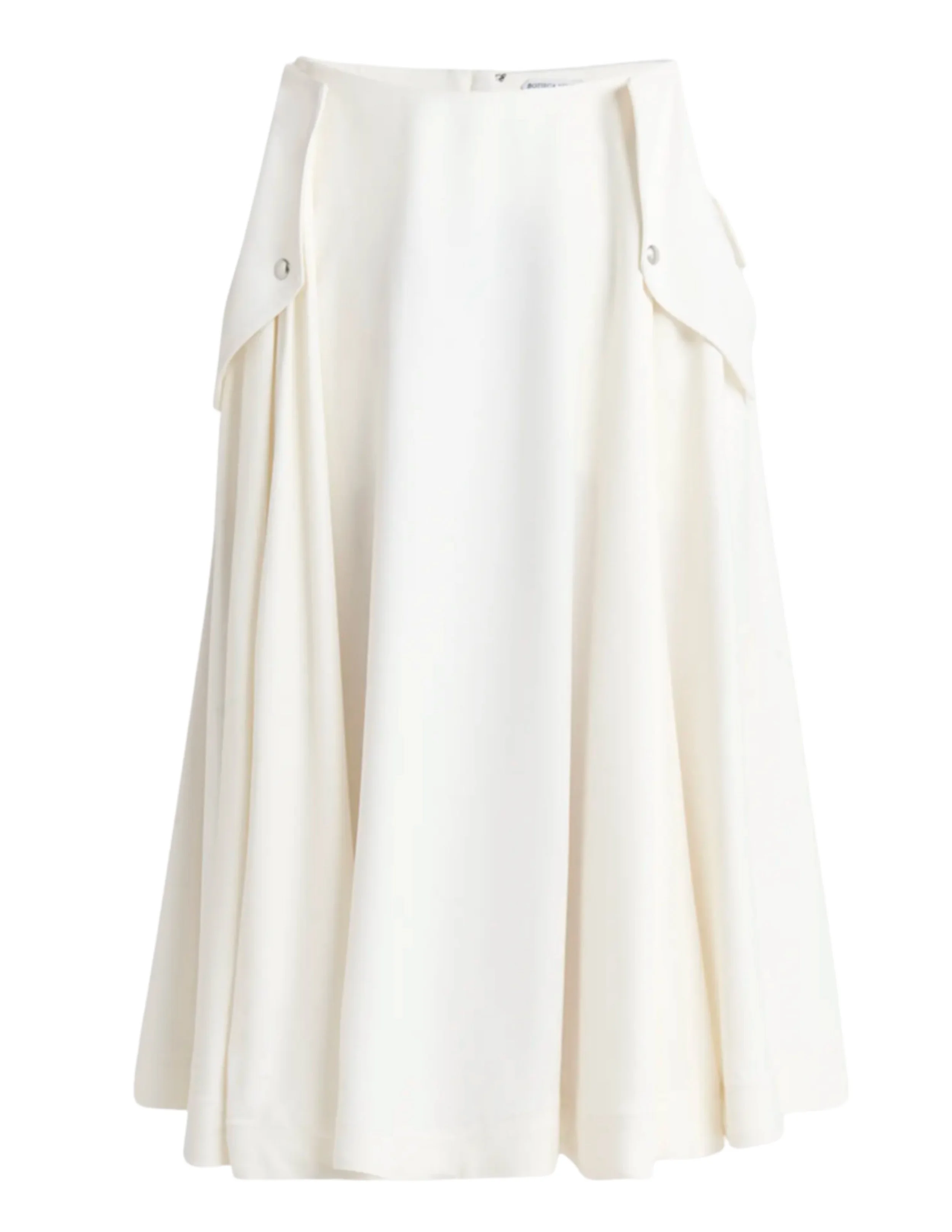
Circle silhouette Flap Pockets
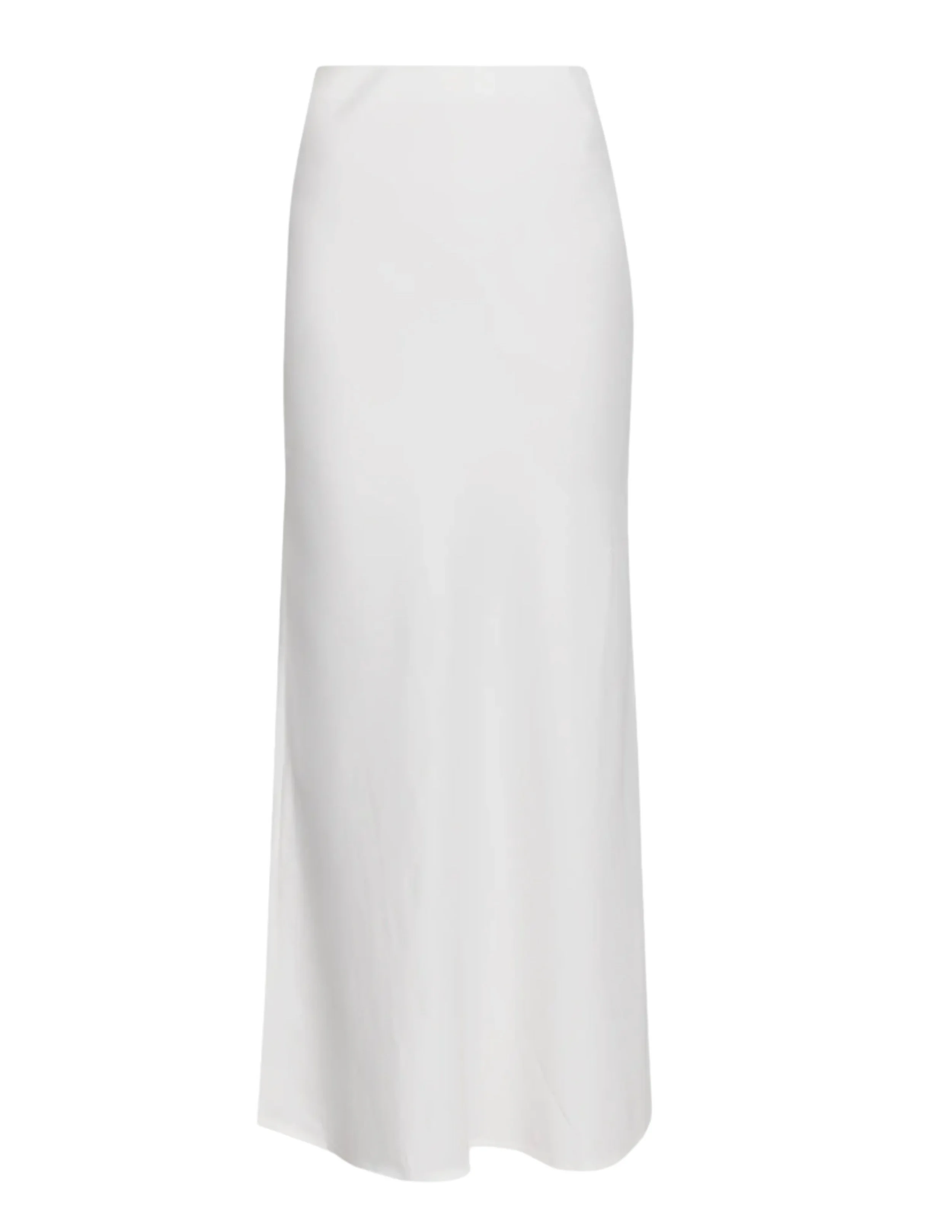
Straight Cut

A line
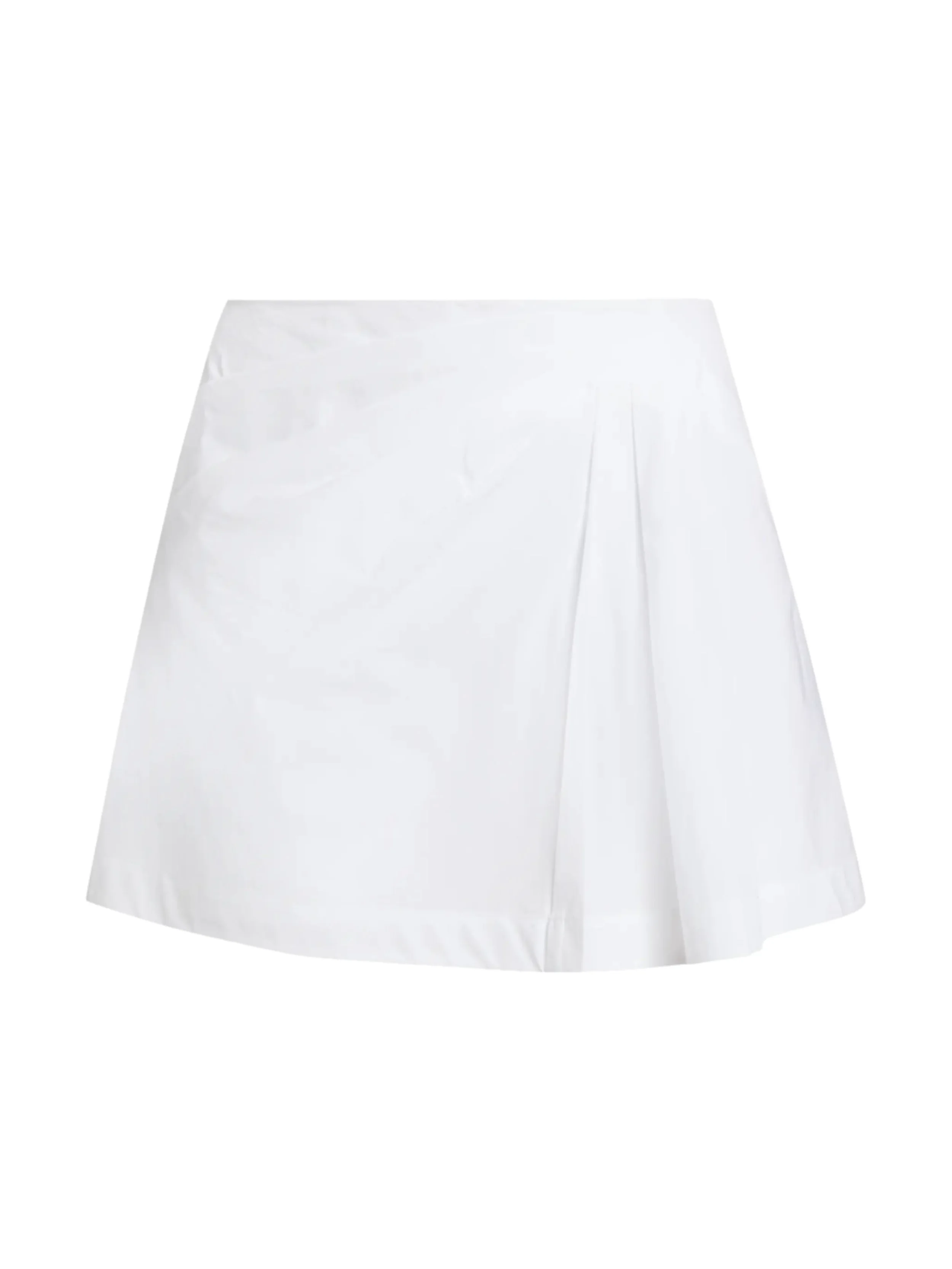
Side Slit
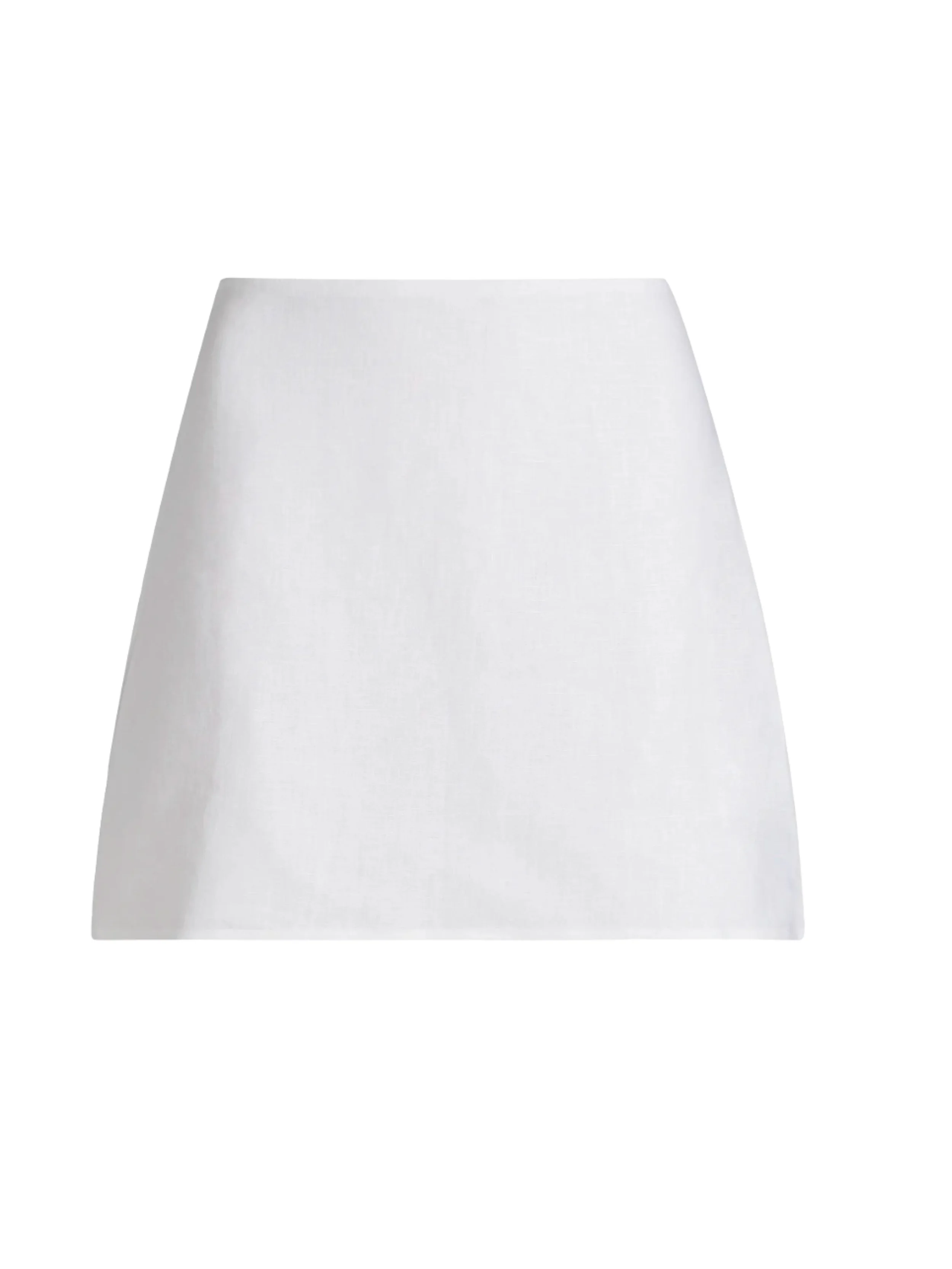
A-line
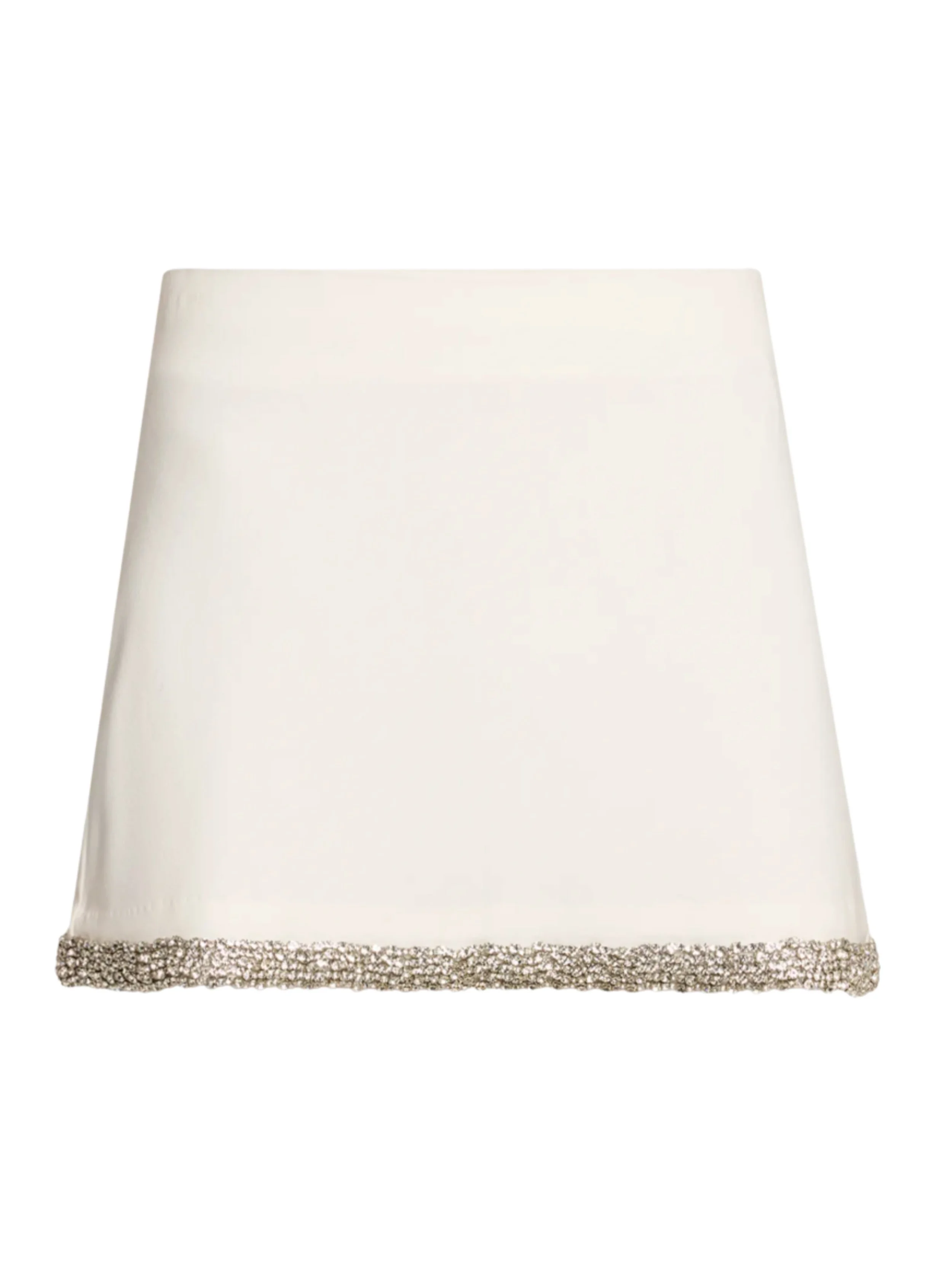
Details on upper thigh
As you move forward, remember that getting dressed is not about perfection — it is about alignment.
This blueprint was created to help you understand and honor your natural structure, allowing your image to reflect who you truly are with clarity, balance, and intention.
May your wardrobe become a place of ease, confidence, and self-expression.
A sanctuary that supports the woman you are today — and the one you are becoming.
With love,
Thays